According to our sources, a group of representatives from military structures has been permanently stationed in the building of the Belarusian Railway (BCh) Transportation Management Centre for about a year. Its core consists of military transport authorities — VOSO of the Belarusian Ministry of Defence, responsible for the organization and escort of military transport. In addition, this group includes representatives of communication units, protection of classified information, and other supporting structures of the Armed Forces of the Republic of Belarus. Thus, this is not about periodic visits to the TMC, meetings, or the escort of individual transport, as it was previously, but about the actual integration of the military into the BCh transportation process management system.
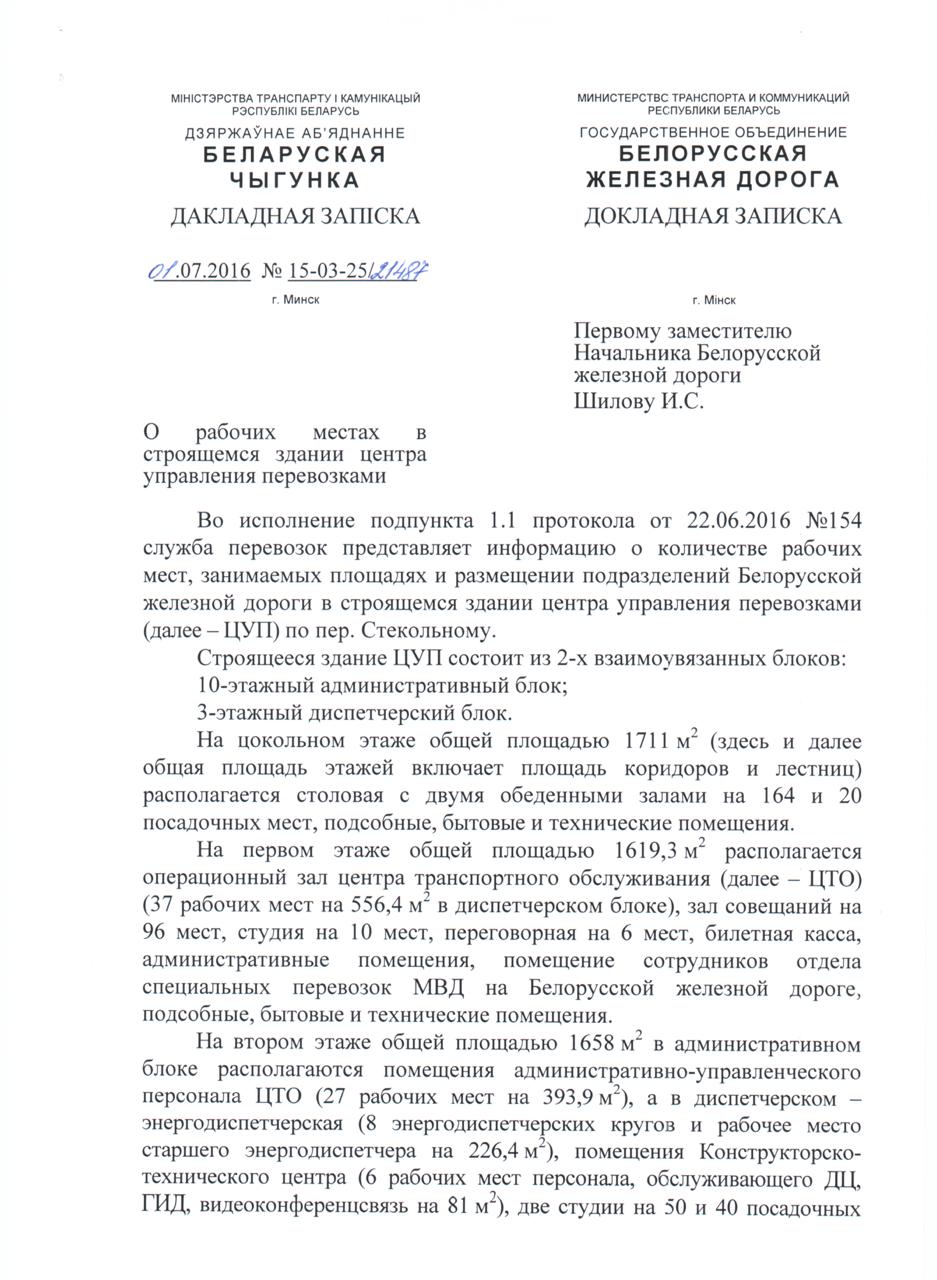
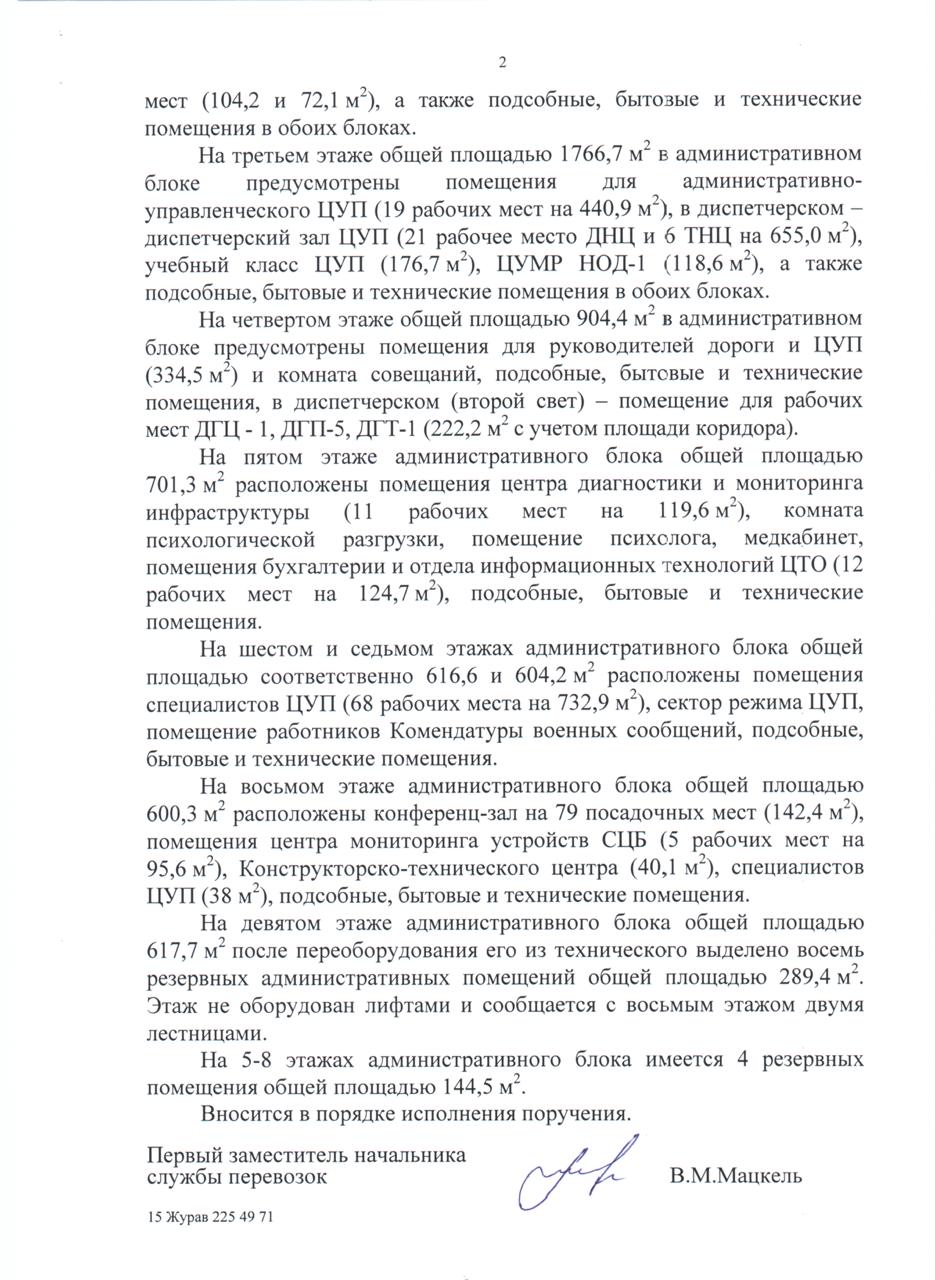
At the same time, the mere presence of VOSO representatives in the TMC building is not new. Even at the design stage for the allocation of departments, a separate room on the 6th floor of the administrative block was provided for employees of the military transport commandant's office. However, this was a limited format of presence, designed for a few workplaces. The current situation differs fundamentally in the scale of deployment itself.
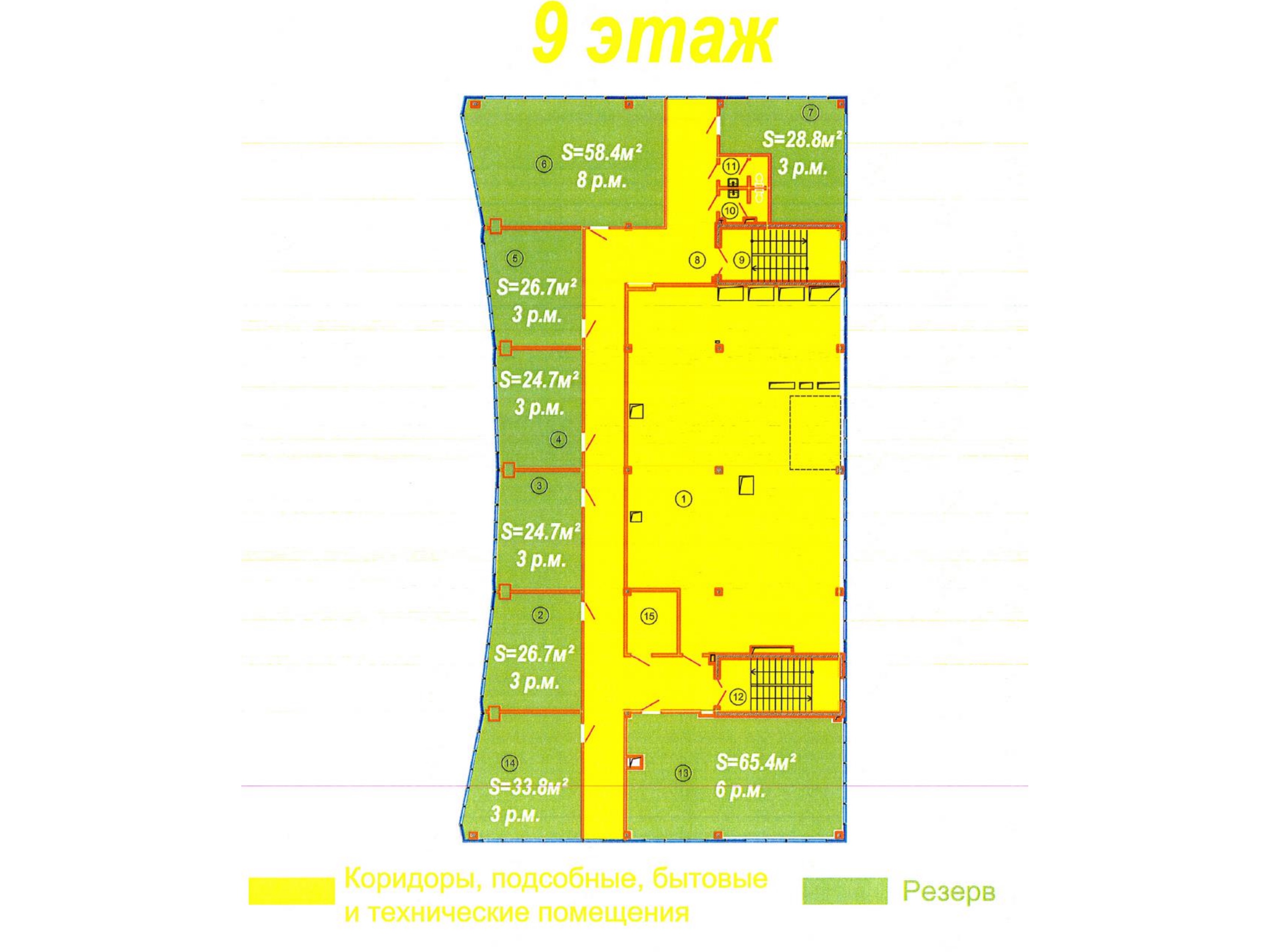
According to available information, the entire 8th floor of the building at the address: Minsk, Stekolny Lane, 1, where the BCh Transportation Management Centre is located, was allocated for military deployment. This amounts to approximately 600 sq. m of office space. Previously, this floor housed units and departments of the BCh Design and Technical Centre (DTC). After the military arrived, the placement of DTC employees was changed: they were moved to the 9th floor of the TMC building.
After the 8th floor was transferred for military deployment, internal re-planning was carried out there. According to available information, some premises were isolated, and partitions were installed in the conference hall, after which it was divided into several separate working areas. Below are the project floor plans of the TMC building, reflecting the initially planned arrangement of premises without considering subsequent changes related to the transfer of the 8th floor to the military.

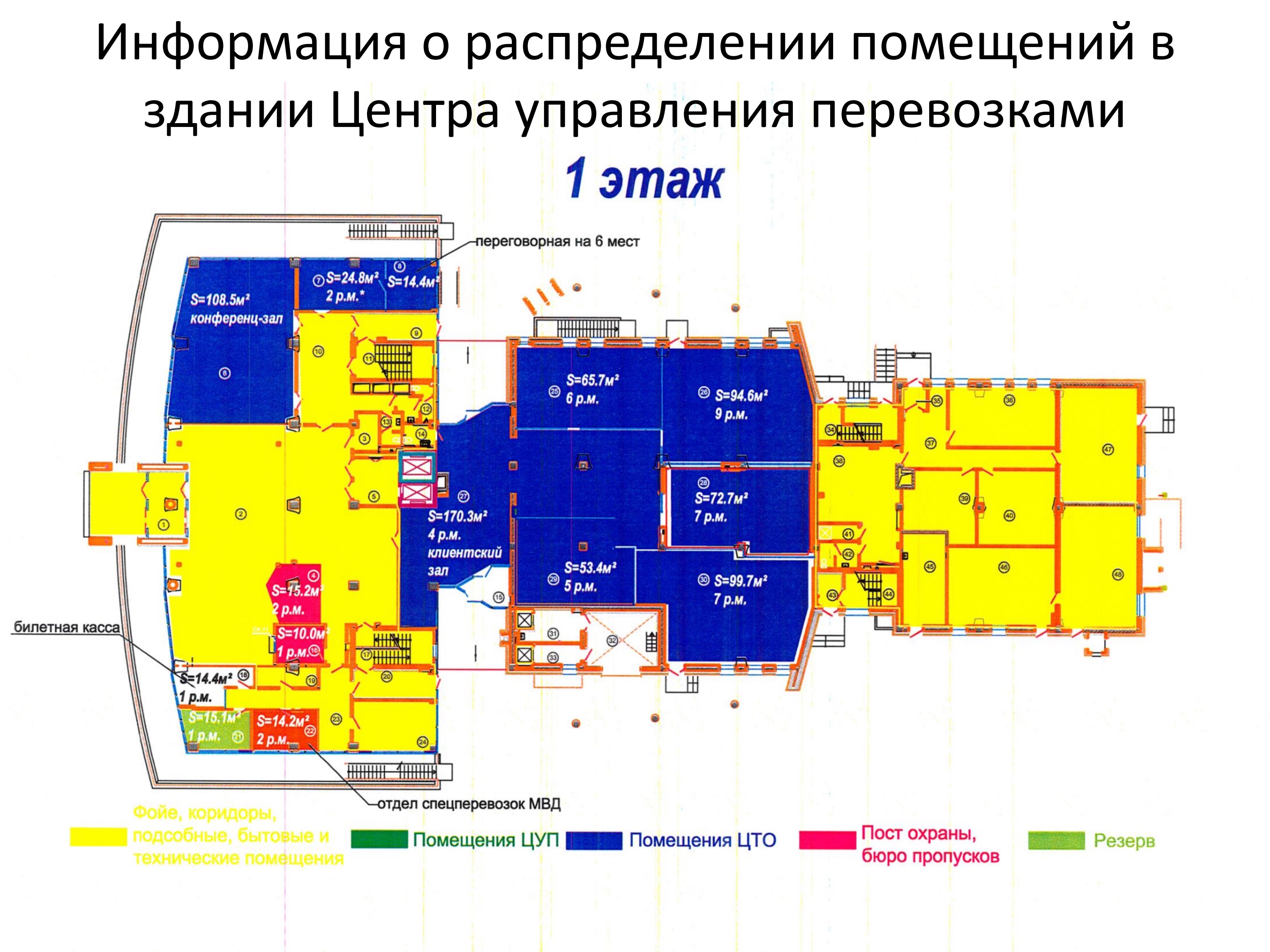
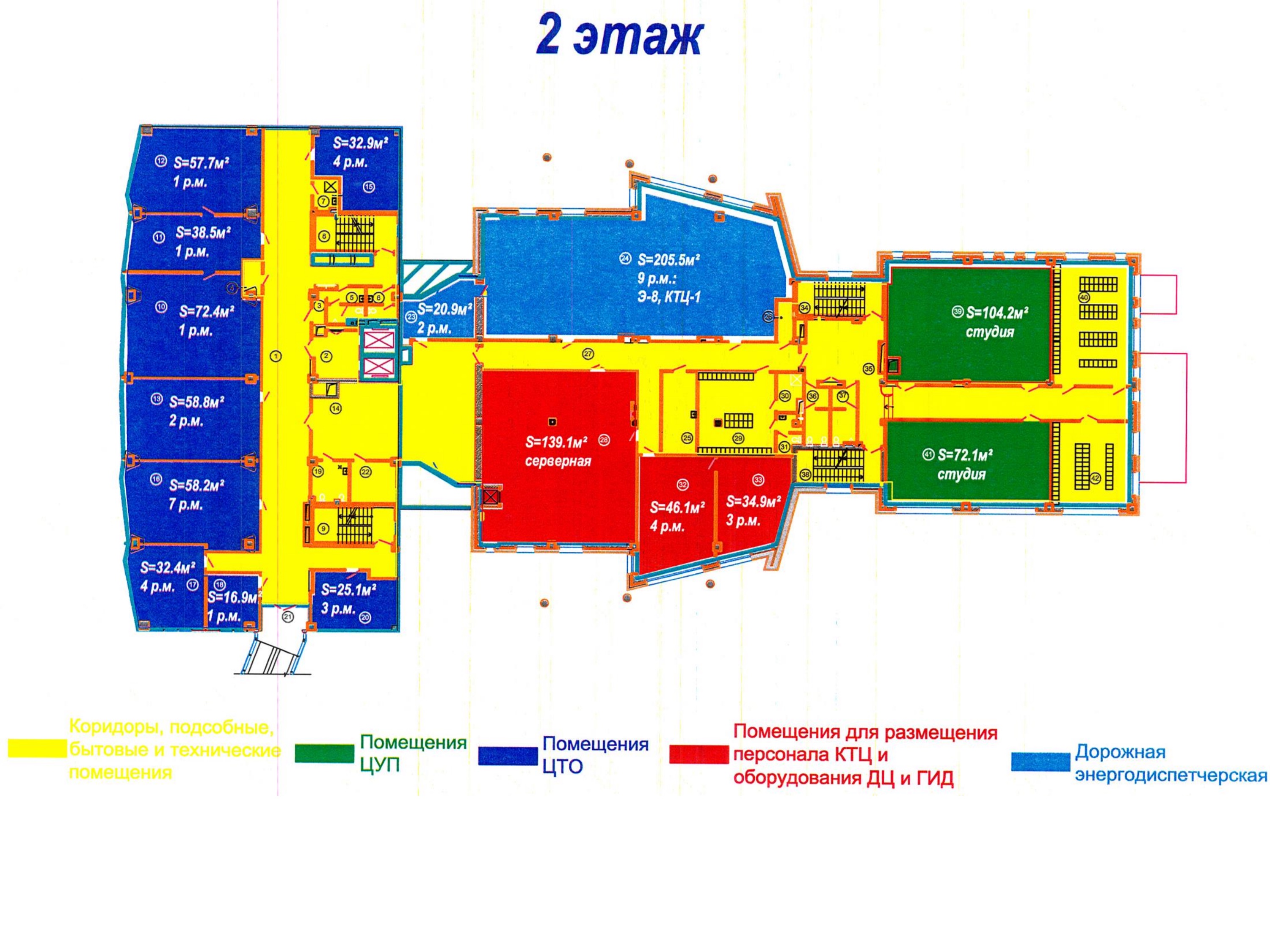
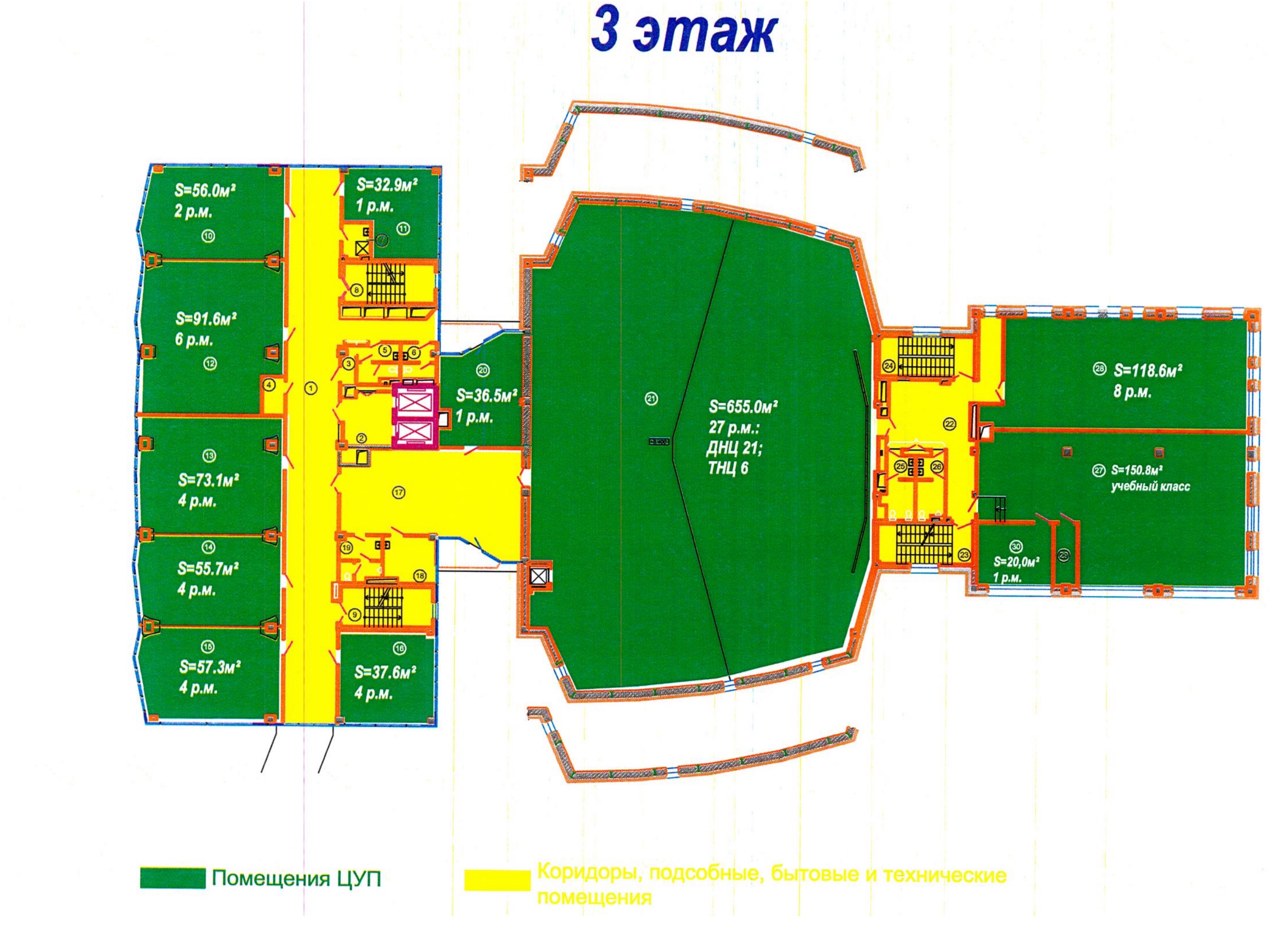
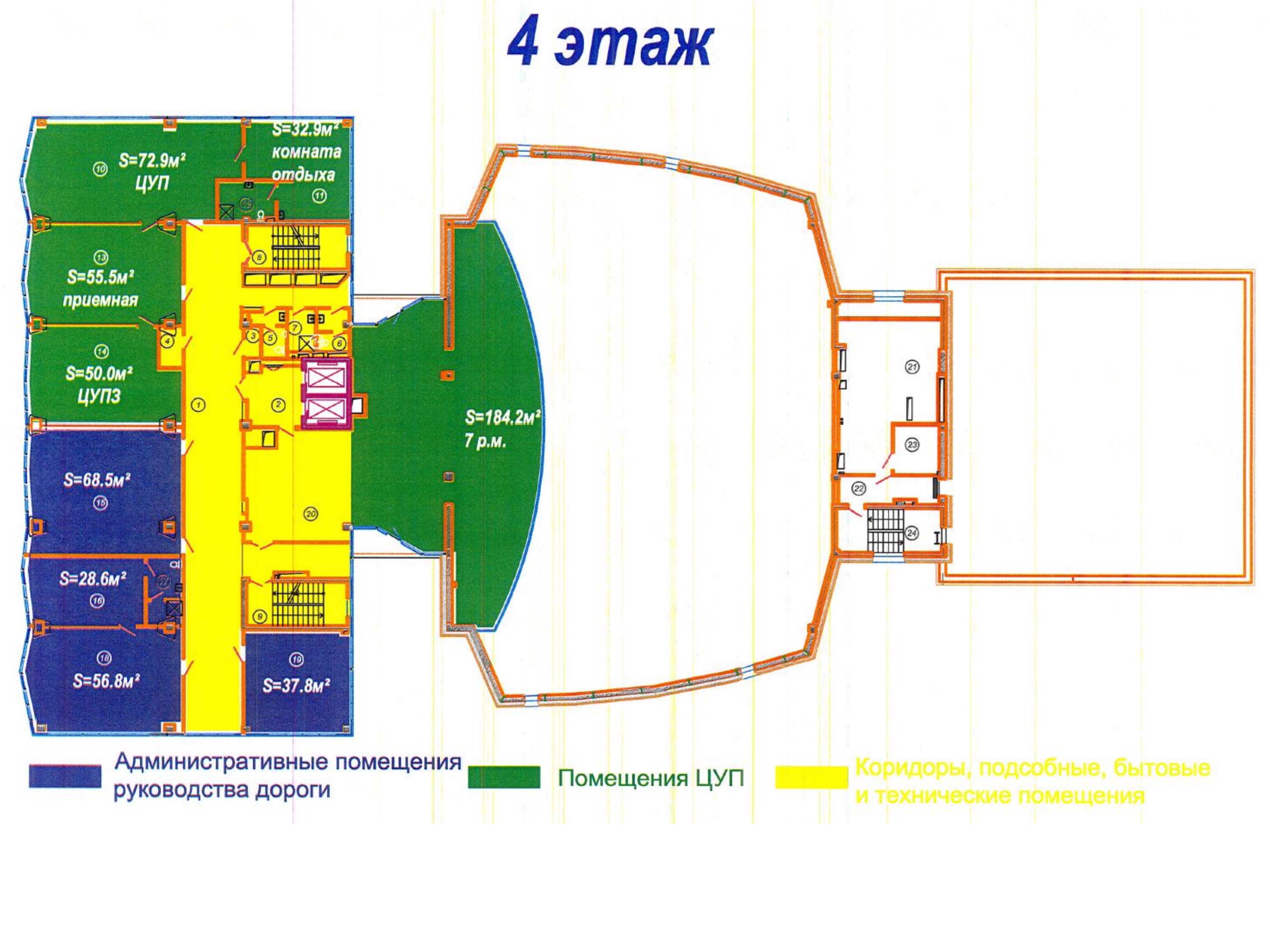
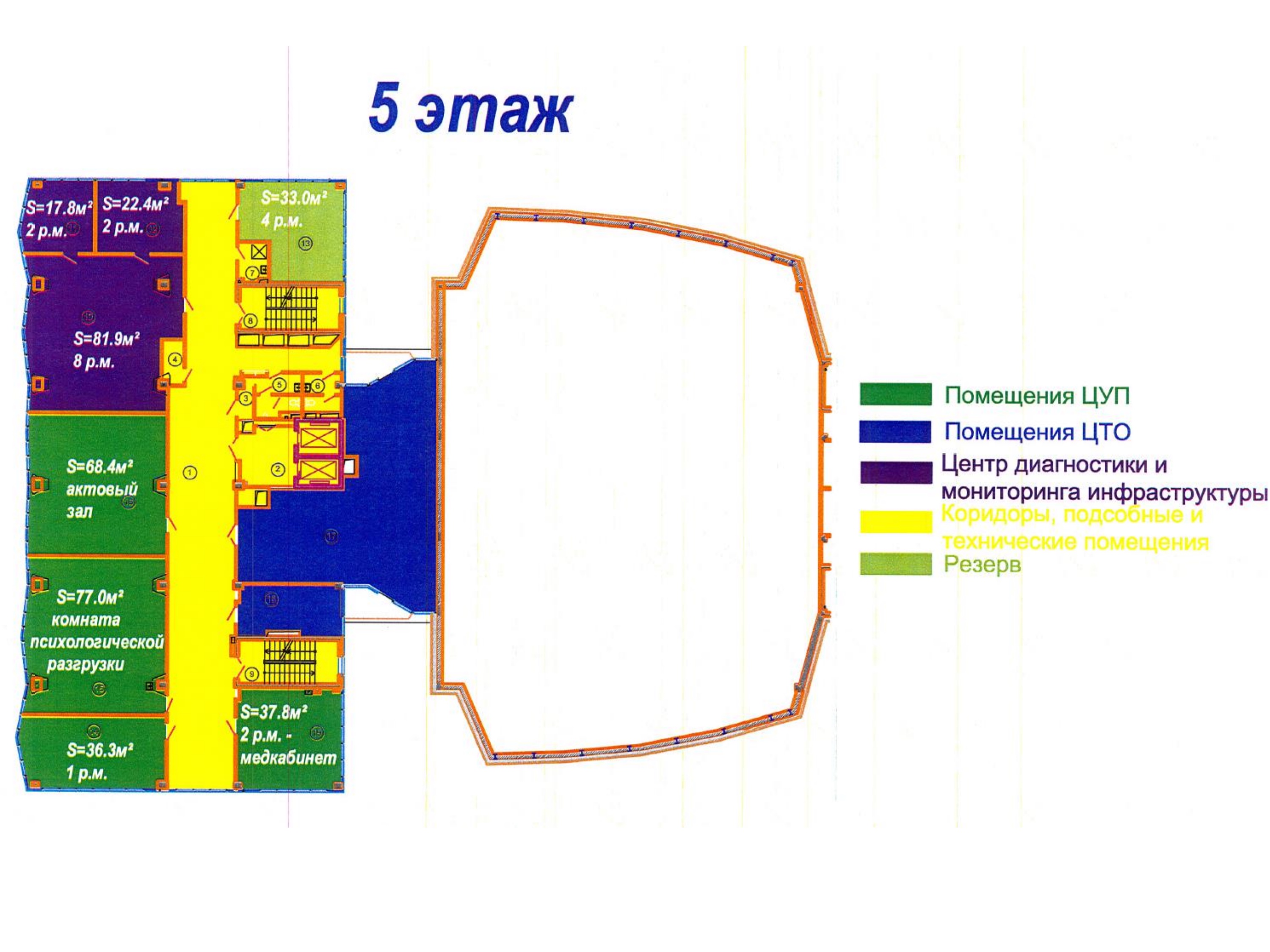
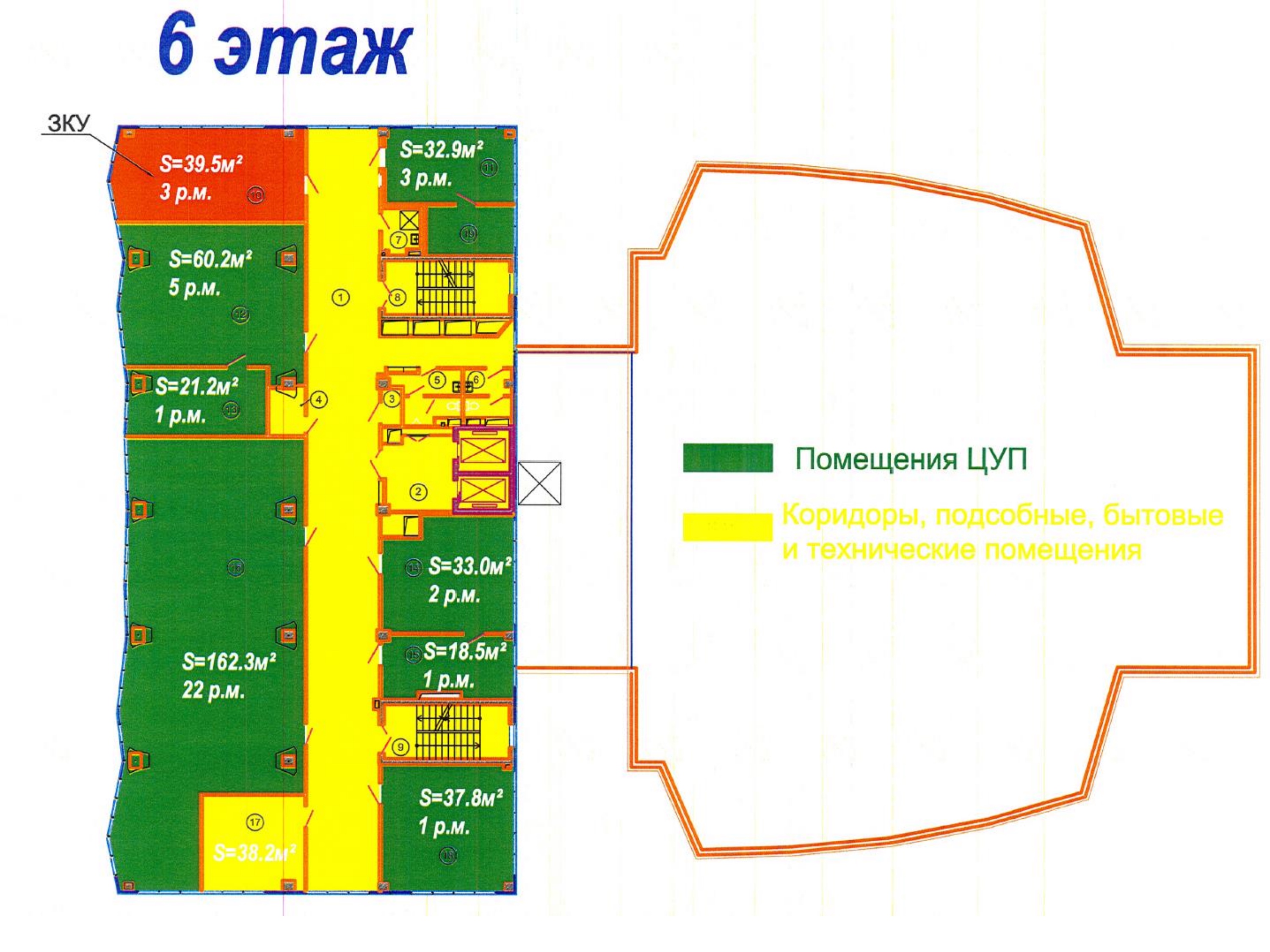
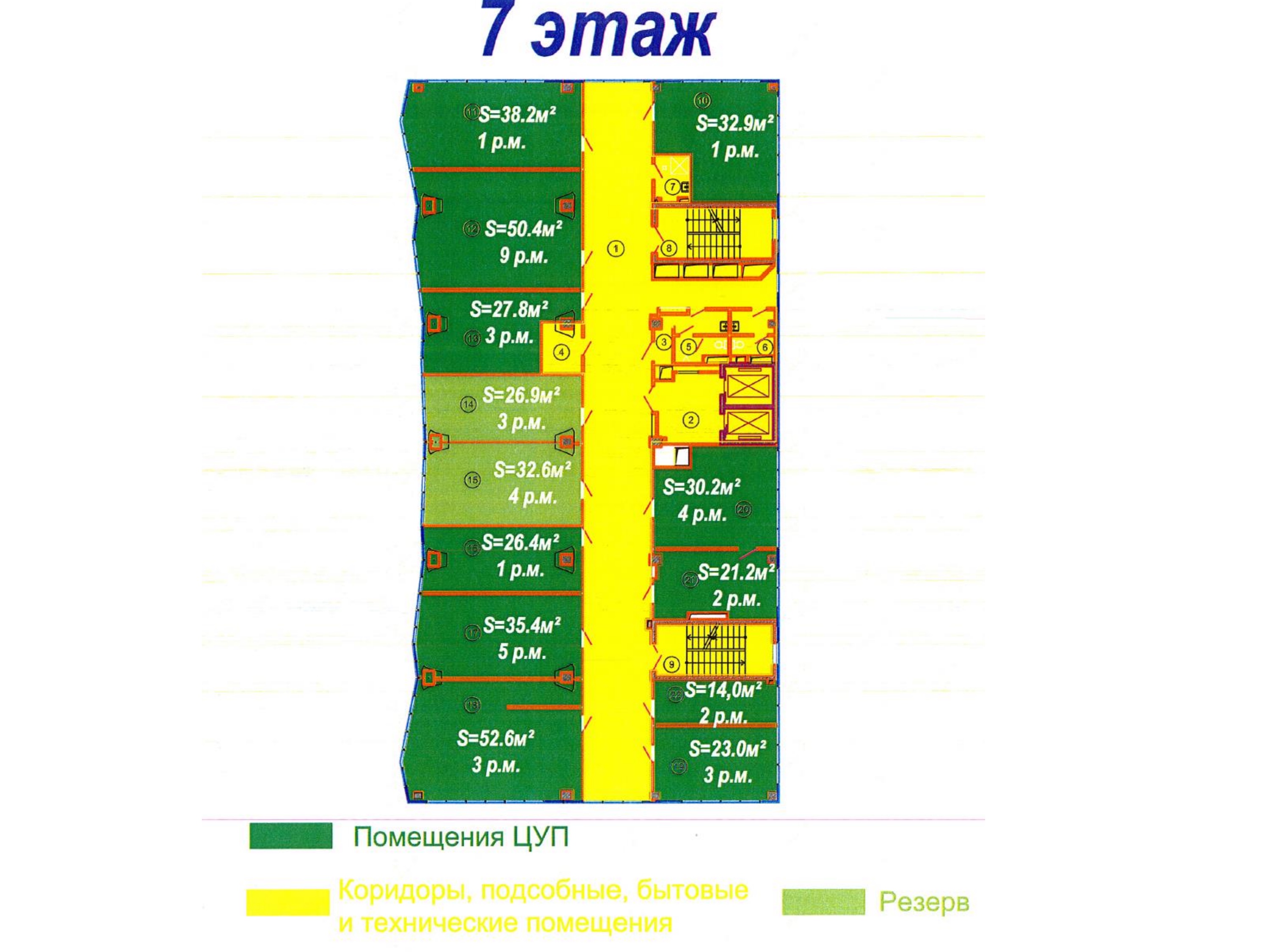
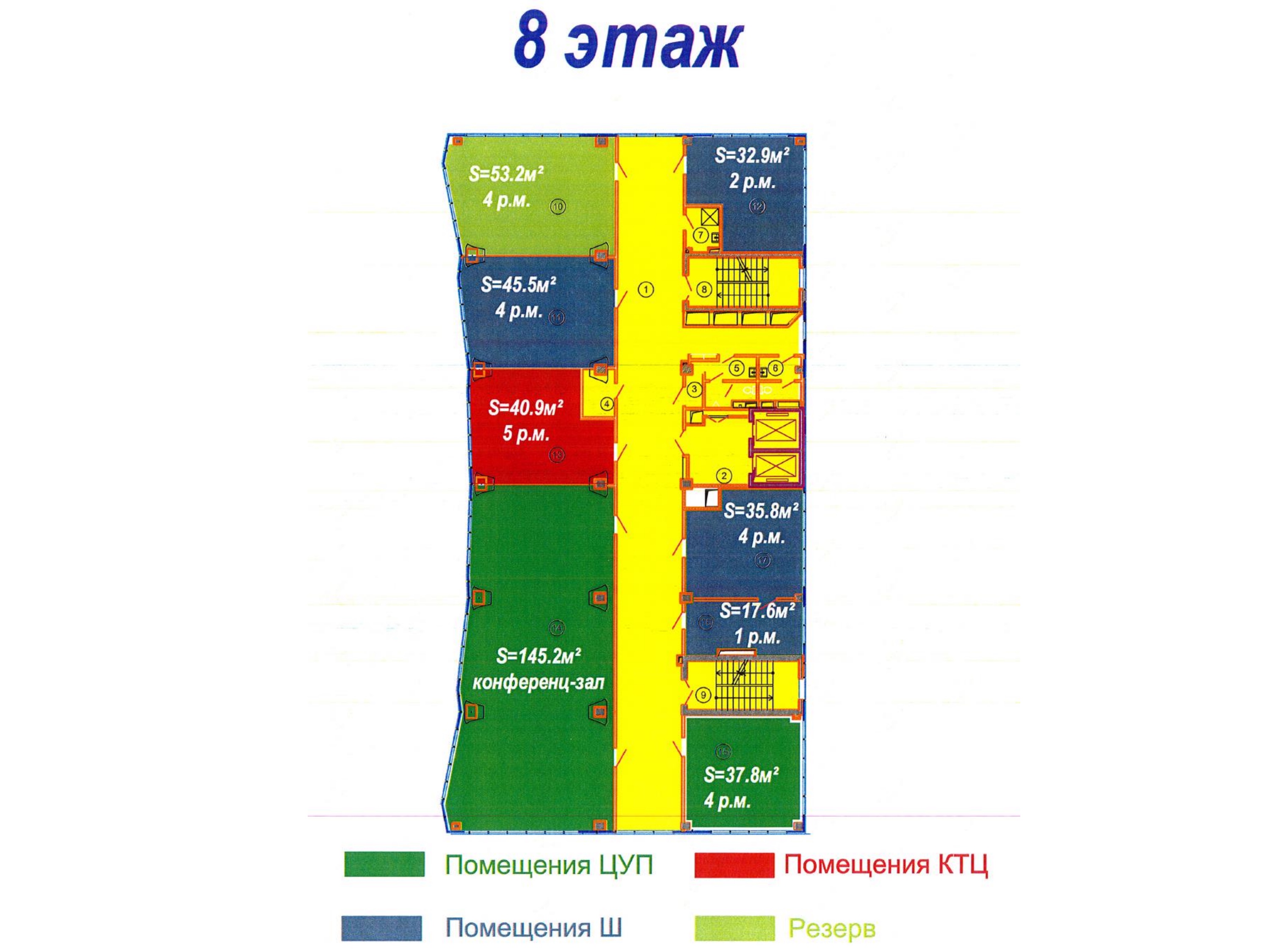
In addition to architectural transformations, work was carried out to completely restrict access to the floor for ordinary employees. According to sources, a regime has been implemented and is in effect where access is only possible with special passes, which are issued only to a specific approved and vetted circle of persons, whose composition and total number are not disclosed.
At the entrance to the 8th floor, a round-the-clock armed post from the military contingent stationed there has been organized. Stairwell exits on this level are closed and protected from unauthorized access. In fact, the floor has been transformed into a separate closed zone within the BCh Transportation Management Centre, which railway workers, with the exception of a limited circle of persons with special clearance, cannot access.
The change in the procedure for employees to move around the building also draws attention. The elevator in the TMC technically reaches the 8th floor, but the exit at this level is now used only by the military. Previously, employees located on the 9th floor could take the elevator to the 8th floor and then proceed to the 9th floor via the stairwell. Now, according to available information, employees who are “lucky” enough to work on the 9th floor are forced to exit the elevator on the 7th floor and then walk up two more floors, as access through the 8th floor is completely closed.
How the floors of the TMC building were originally planned to be used can be judged from an internal BCh memorandum prepared before the facility was put into operation.
The total number of military personnel stationed in the TMC building is not officially disclosed, nor is the fact of their permanent presence publicized. According to sources, this could be approximately 20–30 military personnel. For the usual escort of individual military transport, such a number seems excessive and indicates a broader nature of the tasks performed within the TMC.
According to available information, the formation of this closed military structure within the TMC began about a year ago, during preparations for the “Zapad-2025” exercises. Initially, the military presence unfolded gradually, but by now the group is fully formed and effectively integrated into the BCh transportation process management system.
The very fact of deploying a fully military structure is very telling. The BCh Transportation Management Centre is a key facility through which operational train dispatcher control of the entire transportation process, monitoring of train movement, and interaction with railway divisions, stations, neighboring railway administrations, and other structures ensuring the operation of the railway network are carried out.
The appearance of a closed group of military structure representatives within the TMC indicates that the interaction between the BCh and the military has reached a different level. According to available information, issues related to the organization and escort of military transport now largely pass directly through the military personnel located in the TMC, without unnecessary intermediate links. This format shortens the chain of approvals, limits the circle of informed persons, and reduces the risk of information leakage.
This is especially important against the backdrop of ongoing military transport, the use of BCh infrastructure in the interests of the Russian Federation, and the general strengthening of military control over the transport system of Belarus. In fact, a closed military zone has been created in the main BCh transportation management centre, access to which is restricted for the absolute majority of railway employees.
Thus, this is no longer just about coordinating military transport with the BCh, but about the permanent presence of the military within one of the key management facilities of the Belarusian Railway.
Given the information outlined above, it is impossible not to note and understand the potential and quite obvious consequences of such a close and direct interaction between the BCh and military structures.
If the territory of Belarus is again used for aggression against Ukraine — be it the launch of attack drones, missile strikes, provocations, or the movement of Russian contingents to prepare another invasion — facilities involved in military management and ensuring such interactions may clearly be viewed as more than ordinary civilian infrastructure.
In such a case, the presence of specialized Ministry of Defence structures within the BCh Transportation Management Centre creates direct risks not only for the railway system itself as a delivery infrastructure but also for TMC employees. When a civilian transportation management centre coordinates military transport and interacts with military structures, the line between a civilian facility and an element of military support is effectively blurred.
That is why BCh employees, and primarily TMC staff, need to consider the consequences that the continued use of BCh infrastructure in the interests of the military may have. In the event of new aggression from the territory of Belarus, it is not excluded that such a facility may be identified as part of the military support system, which entails certain risks.