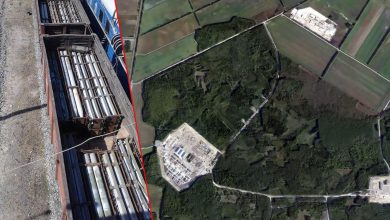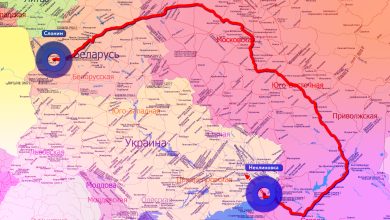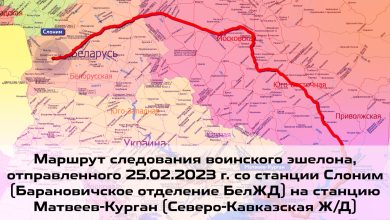
The topic of the possible deployment in Belarus of elements of the Russian Oreshnik MRBM complex has already been covered on our resources. In a previous publication, we noted that official video materials from the Ministries of Defence of Belarus and Russia regarding the alleged combat deployment of the “Oreshnik” did not confirm the demonstration of the full complex. The footage did not show the self-propelled launcher itself, and we did not record any signs of its delivery by railway transport to Belarus. However, support, communication, and security vehicles were visible, which also should have been delivered and deployed in Belarus.
One of the key facilities in this story was the former Krichev-6 airbase. According to available information, its territory was used for staged filming involving elements of the complex and was also considered a site for the subsequent deployment of Russian military equipment. Until recently, this facility was virtually unused, in a dilapidated state, and lacked its own railway infrastructure.
In the first part of the material, we indicated that in anticipation of the arrival of Russian military personnel at Krichev-6, urgent work was carried out on the Krichev-1 — Shestyorovka block section to construct an access track, a manual turnout, and loading/unloading ramps. At that time, this suggested preparation of the site for receiving military cargo but did not provide a complete picture of the scale of the planned infrastructure.
Now we have new design documents that allow us to assess the facility not merely as a temporary connection to the block section, but as a fully railway-equipped complex. Formally, in the documentation, it is referred to as a “logistics center in Klimovichi district.” However, as we have previously written, according to our information, the logistics center version itself is a cover-up. The new documents effectively show that under this name, infrastructure suitable for receiving, unloading, and servicing cargo in the interests of the Russian military is being created on the territory of the former airbase, not a civilian regional logistics facility.
It should be noted that, according to available reliable data, the initiator of this construction is the Ministry of Defence of the Russian Federation. We emphasize: it is the Russian side that is the client for this facility.
The facility itself is also interesting. The proposed logistics center includes a rather extensive track layout, which comprises at least eight tracks for various purposes and a certain turnout arrangement designed to facilitate and accelerate shunting operations.
A newly equipped access track, connected as a siding to the Krichev-1 — Shestyorovka block section, leads to the territory of this “logistics center.”
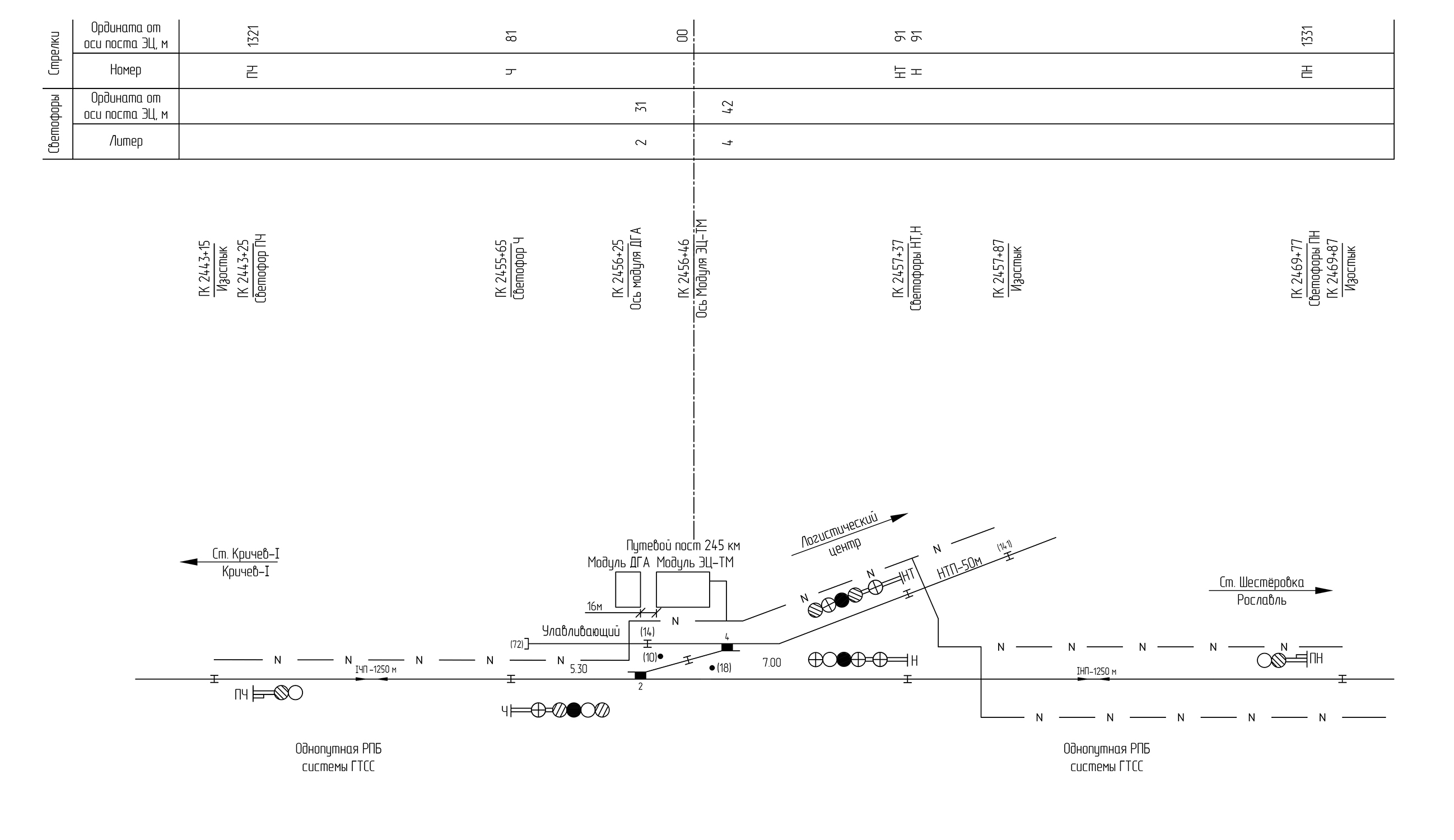
At the junction point, a fully functional block post has been established, which is a track post and has received the corresponding name — “Track Post 245 km”, with appropriate equipment in the form of signaling points — entry and exit signals from both Krichev-1 and Shestyorovka stations, and from the proposed logistics center itself.
It is interesting to note that initially, there was talk of organizing the connection of the access tracks of this facility to the block section via a manual (non-centralized) turnout. However, currently, in accordance with the design documentation, an electrical interlocking system (MRTS-13) has already been installed, which is controlled from an automated workstation (AWS) of the Krichev station duty officer based on the “Neman” centralized traffic control system*. Along with this, there is a possibility of dispatcher control of this track post via the “Neman” CTC and its full transfer to dispatcher control.

For reference: *“Neman” CTC is a microprocessor-based centralized traffic control system (CTC) developed by KTTs/DKTB of the Belarusian Railway as an evolution of older systems like “Neva” and “Minsk.” It is designed for remote control of stations and monitoring of train movements from the train dispatcher's workstation.
Characteristics of the “Neman” CTC:
centralized control of turnouts and signals;
tele-signaling (TS) and telecontrol (TC);
operation via dispatcher's AWS;
support for large dispatcher areas;
server and communication channel redundancy;
integration with other traffic management systems.
The system is built according to the scheme: central post (DNC AWS, servers, communication means), linear points at stations, data transmission channels between them.
A feature of “Neman” is the transition from relay logic to microprocessor architecture. This reduces equipment size, simplifies diagnostics, enables automatic redundancy, and allows for flexible display of the train situation on monitors.
The operating modes of “Neman” typically include: main, auxiliary, seasonal control, and emergency mode.
A classic CTC usually implies the presence of electrical interlocking (EC) at stations and automatic block signaling (ABS) on block sections. However, “Neman” as a telemechanics system can also be linked with other solutions, including sections with semi-automatic block signaling (SABS), if provided by the project and linking schemes. Although the typical application is precisely ABS and EC.
Accordingly, the linking of the relay semi-automatic block signaling (SABS) of the Krichev-1 — Track Post 245 km and Track Post 245 km — Shestyorovka block sections has been implemented.
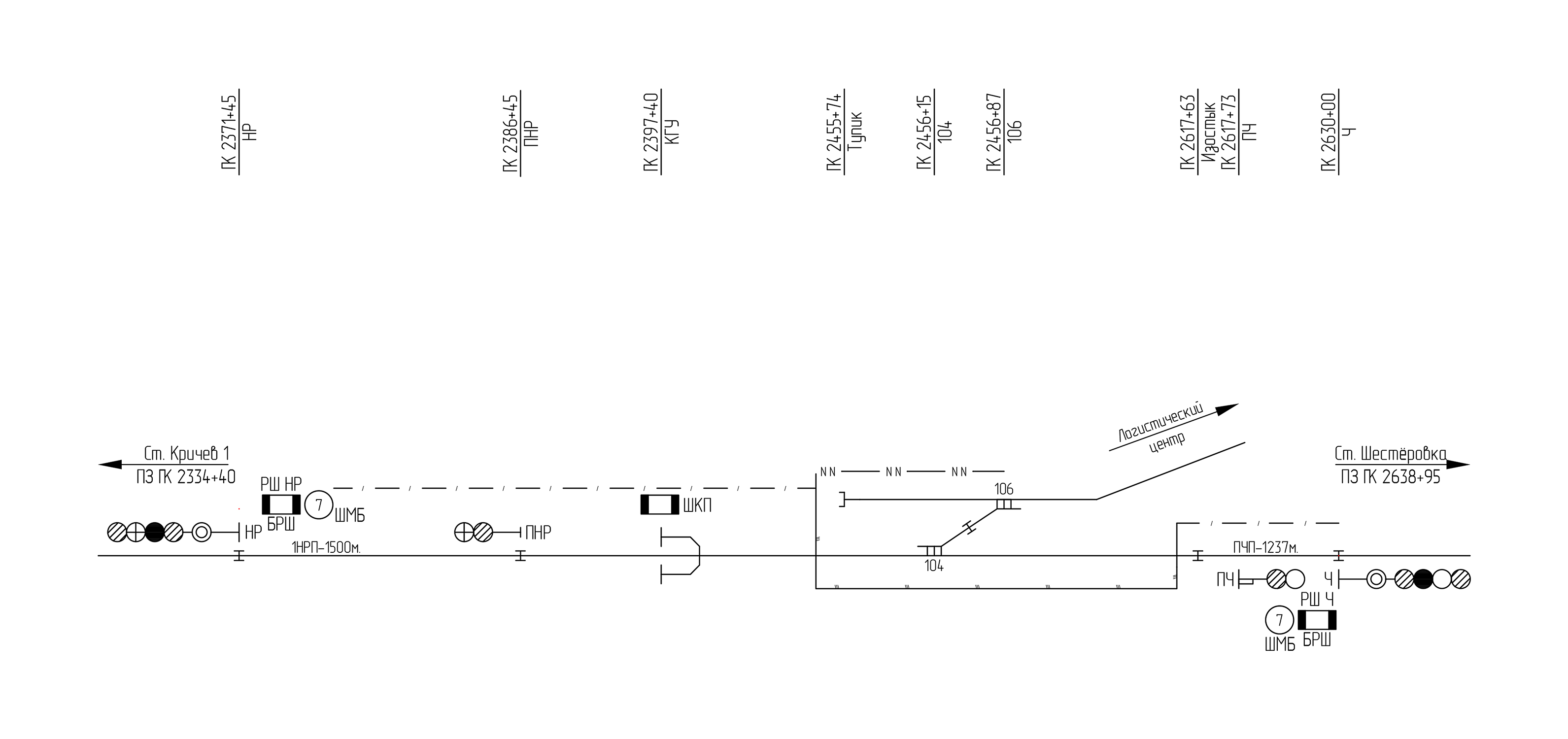
The turnouts installed at Track Post 245 km, temporarily designated 104 and 106, received their corresponding permanent numbering — 2 and 4 — after being integrated into the electric interlocking system (EC). Electrical monitoring of the switch blade position of these turnouts and their equipping with electric drives have been ensured. It is possible to lock the switch blades with a bolt and padlock, as well as to operate the turnouts with a hand crank.
Thus, the initially implemented locally operated crossover towards the “logistics center” — which is, in fact, a military base under construction for Russian needs — has been transformed into a full-fledged block post with all its requisite attributes.
The track post is equipped with modern modular structures. It includes a DGA (diesel generator unit) module, which allows for effective redundancy of the track post's power supply systems in cases of external power loss. The EC-TM module represents all necessary electrical interlocking equipment in so-called transportable modules. In other words, it is a ready-made complex of railway automation, telemechanics, and communication (SCB) equipment, mounted inside special factory-made block containers.
The outfitting of Track Post 245 km required the reorganization and re-equipment of existing infrastructure facilities on this block section. In particular, some re-equipment and relocation of railway communication cables were carried out.
All the mentioned equipment allows for quite effective organization of railway traffic on the sections between the specified block posts. At the same time, control over the transportation process is maintained both by the dispatching staff of the Transportation Management Centre and through local control.
In addition to the equipment on the Krichev — Shestyorovka block section, impressive work has been done to equip the railway infrastructure on the territory of the “logistics center” itself.
Currently, this facility is equipped with 8 tracks of various purposes: two running tracks, two loading/unloading tracks, one reception/departure track, one storage track, a dead-end track, and a safety siding.
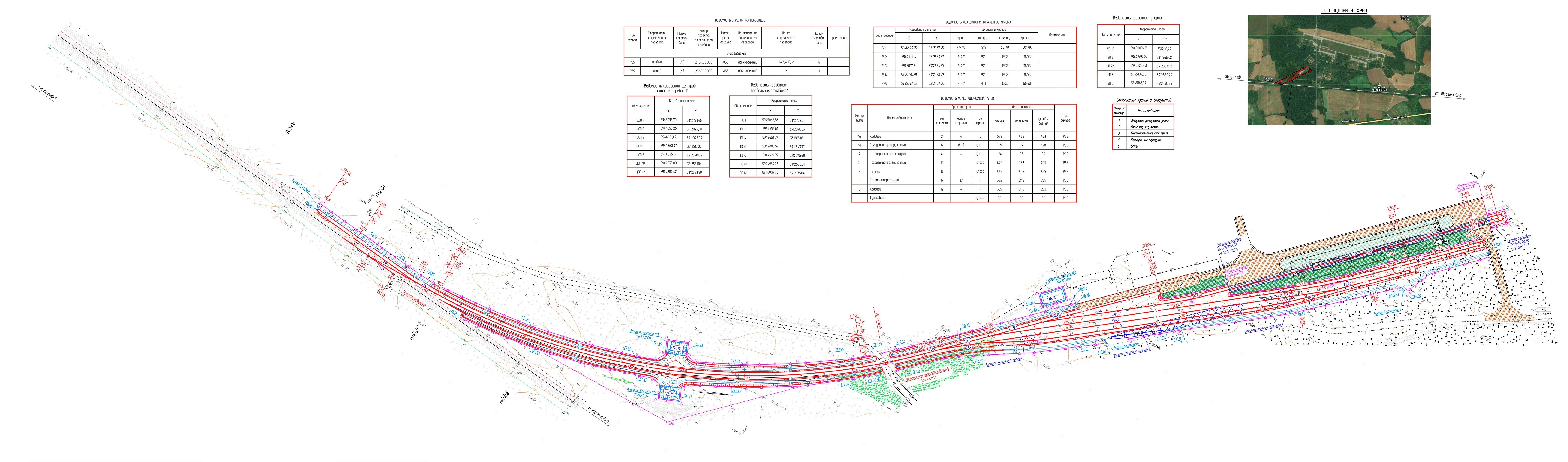
The useful length of these tracks varies from 50 to 466 meters.
All tracks at this facility are laid on reinforced concrete sleepers and turnout bearers, with R65 rails. The frog number of all turnouts is 1/9, which allows trains to move through such turnouts in the straight direction at a speed of 100 km/h, and with deviation, no more than 40 km/h.
It is evident here that the tracks, in accordance with the project, are designed with a significant margin of safety. The materials and elements of the track superstructure used almost meet the requirements for first-category railway lines, which are essentially main tracks with high traffic density or high train speeds. It is there that heavy R65 type rails, cleaned hard rock ballast, and predominantly concrete sleepers are used. Only the turnouts differ, which for first-category lines should not be steeper than 1/11.
Great attention has been paid to lighting at this facility. Outdoor electric lighting and lightning protection are provided for the loading/unloading ramp, transshipment area, and railcar storage tracks using floodlight masts, as well as electric lighting for turnouts with lighting poles equipped with LED luminaires.
A complete transformer substation KTP 10/0.4 with a reliability category III power supply has been used as the power source.
Overall, such a level of lighting equipment at this facility corresponds to both the official version — a logistics center, where a sufficient level of illumination is necessary for safe operations during loading/unloading at night and in poor visibility conditions — and the actual version — a military base, where the level of lighting in all conditions and the ability to flexibly control it is a mandatory safety element during loading/unloading operations.
We remind that, according to official information, the Mogilev Regional Executive Committee is the client for the work on equipping access tracks to the former Krichev-6 airbase for the purpose of organizing a logistics center there.
At the same time, the necessity of creating a facility of such a scale for logistics operations in this region is not apparent even in the most distant future.
We reiterate that the logistics center in Klimovichi district is a cover for the ongoing work on the territory of the former airbase, where a military base is actually being created, whose occupants will, quite obviously, be Russian military personnel. And the equipping of railway infrastructure there to the extent described may indicate the scale of planned military transport in this direction in the near future.
The railway infrastructure created there will allow for efficient and, most importantly, quite covert loading and unloading of military equipment, materiel, and ammunition.
Considering the full set of construction design documentation for this “logistics center” at our disposal — railway tracks, outdoor electric lighting, a transshipment area, floodlight masts, and all other infrastructure facilities — it is clear that these are not disparate works to restore an abandoned territory, but a major capital construction project.
It should be noted that if this already virtually completed facility were some minor economic site, a simple siding equipped with an ordinary manual turnout would suffice for access to it. In this case, however, a full-fledged telecontrolled point has been created on the block section, integrated into the electric interlocking and dispatcher control system. Thus, Track Post 245 km is organized technically in such a way that it represents a full-fledged railway element of the section, allowing for the reception and departure of trains in operational mode with minimal possible delays in a centrally controlled manner.
Given the above, it can be safely assumed that for a civilian logistics center in Klimovichi district, such a railway scheme and level of provision appear excessive. The presented track layout, loading/unloading capacities, a separate track post, electric interlocking system, signaling system, floodlight masts, and redundant infrastructure are more consistent with a facility designed to receive special cargo in significant volumes and with frequent periodicity, rather than standard commercial logistics, for which there are no visible grounds to provide in this region.
The fact that the constructed “logistics center” is a military infrastructure facility is supported by its location, which to a much greater extent implies the possibility of carrying out loading and unloading operations in a closed area at any time of day with the involvement of the fewest railway workers to organize the passage of train consists to and from the facility.
The timeline for the implementation of the “logistics center” construction project deserves special attention.
In September 2025, “Belzheldorproekt” institute prepared the relevant design documentation, and already in January 2026, a significant part of the work had been completed at the construction site, according to satellite imagery: an access track with a temporary manual turnout was laid, track layout was organized on the facility's territory, loading/unloading ramps and some internal infrastructure facilities were erected.
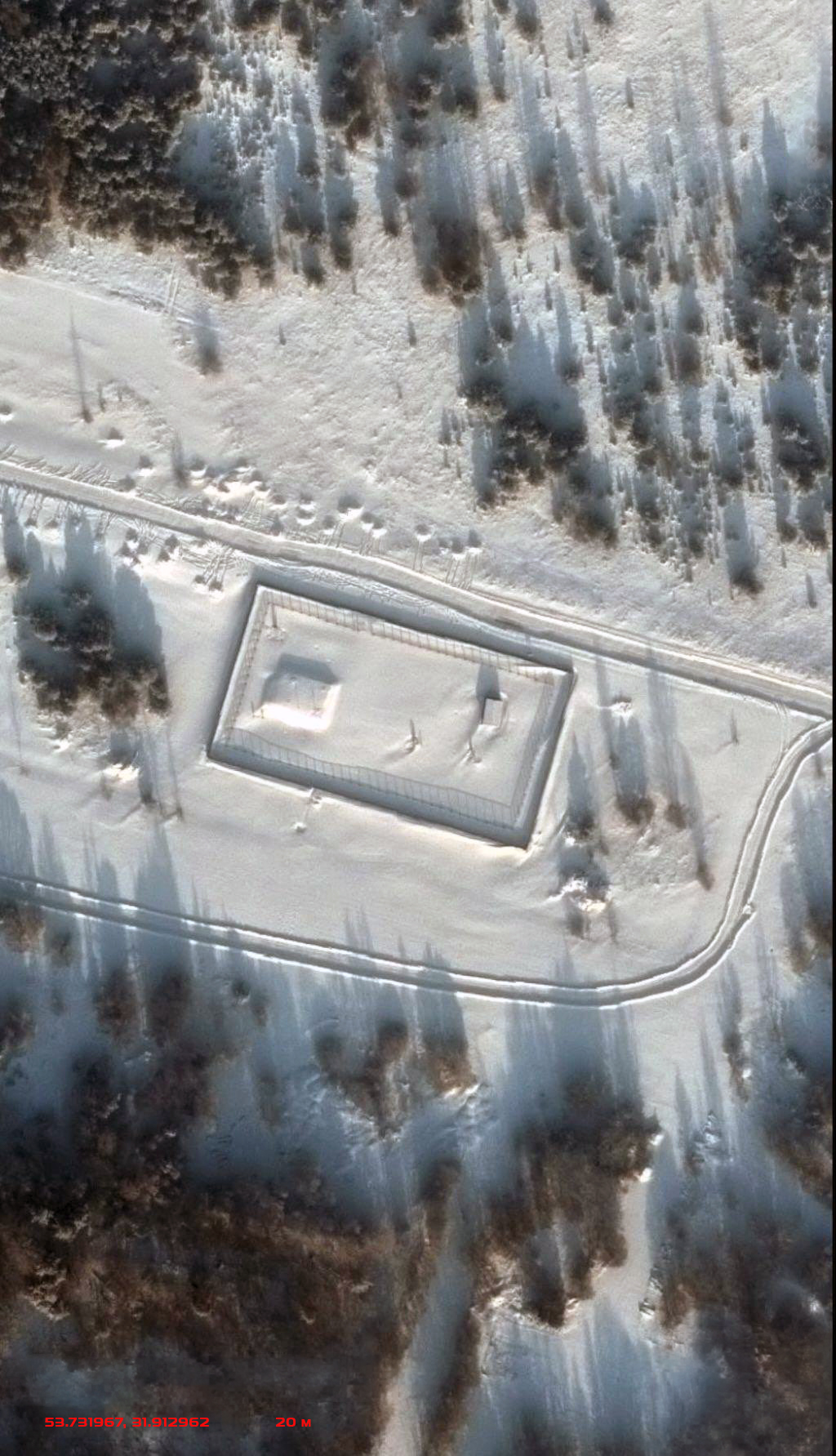
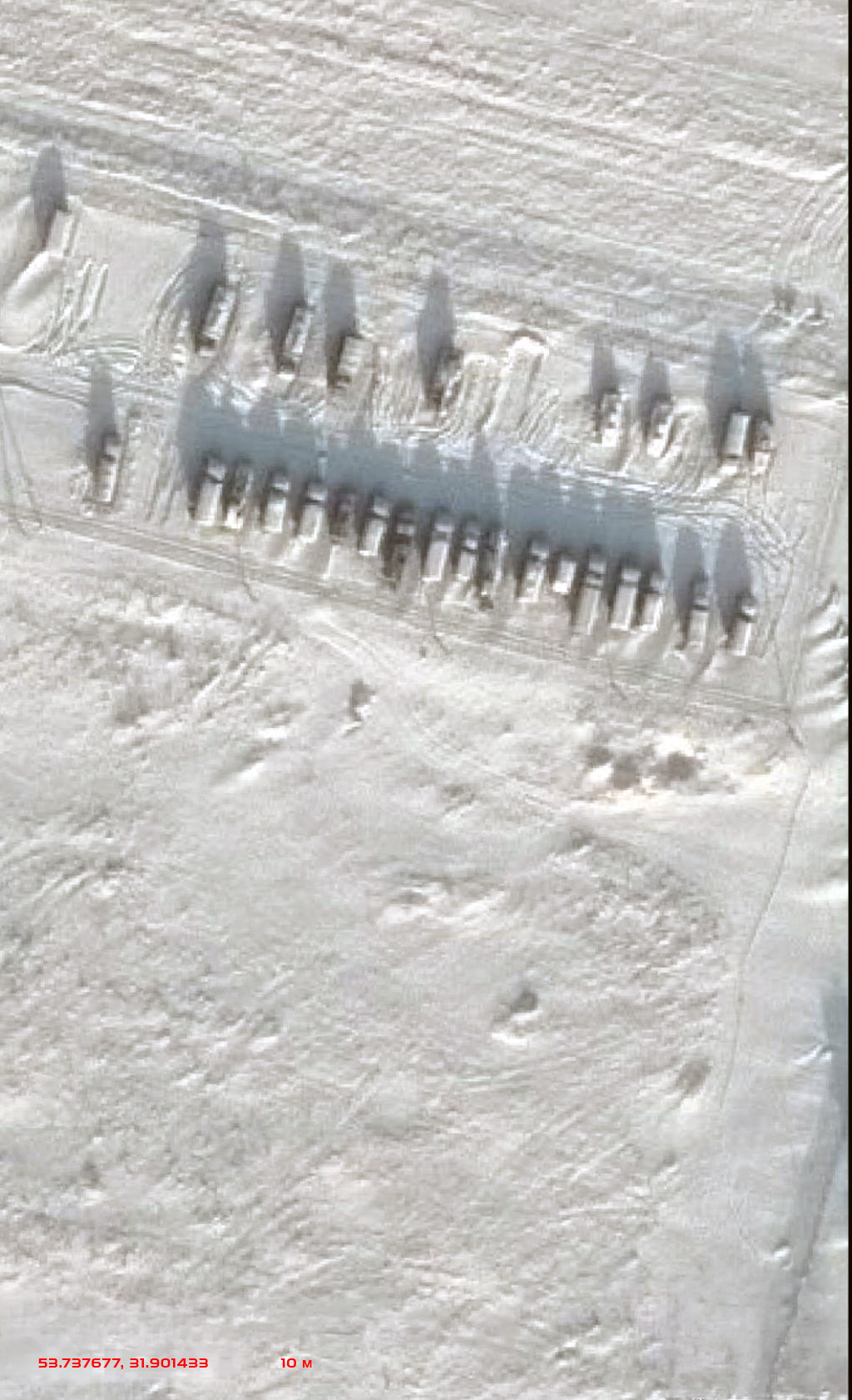
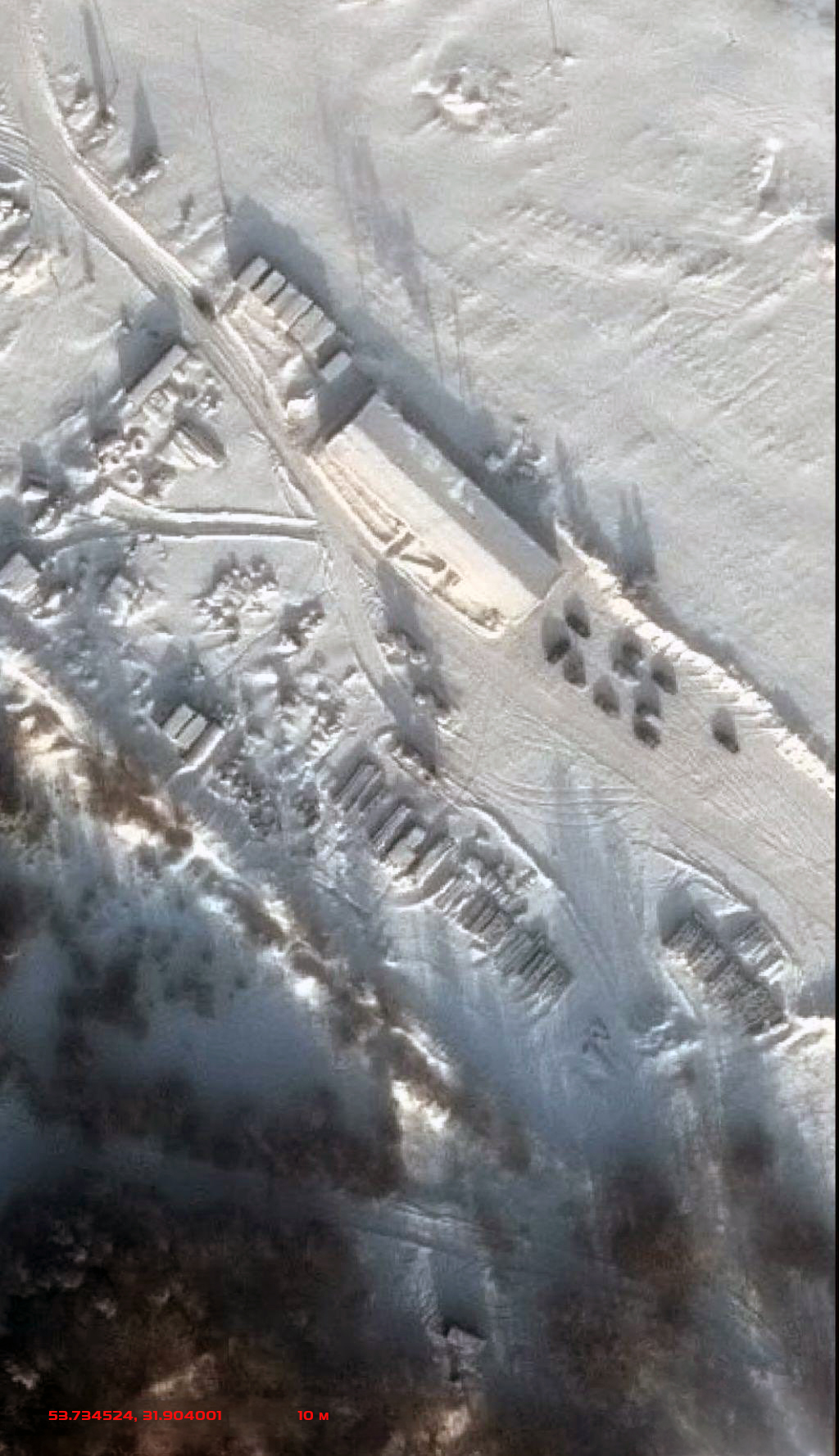
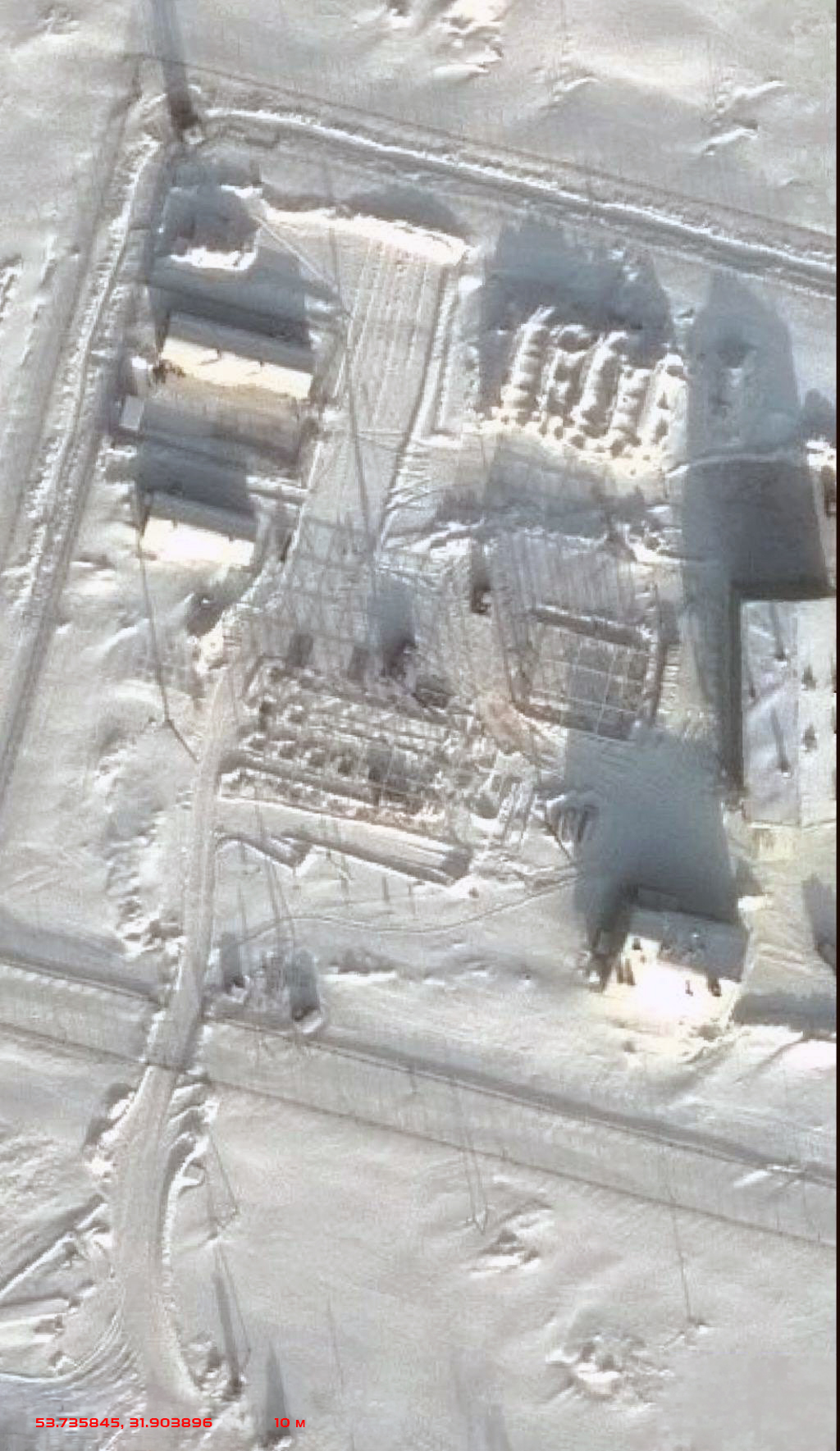
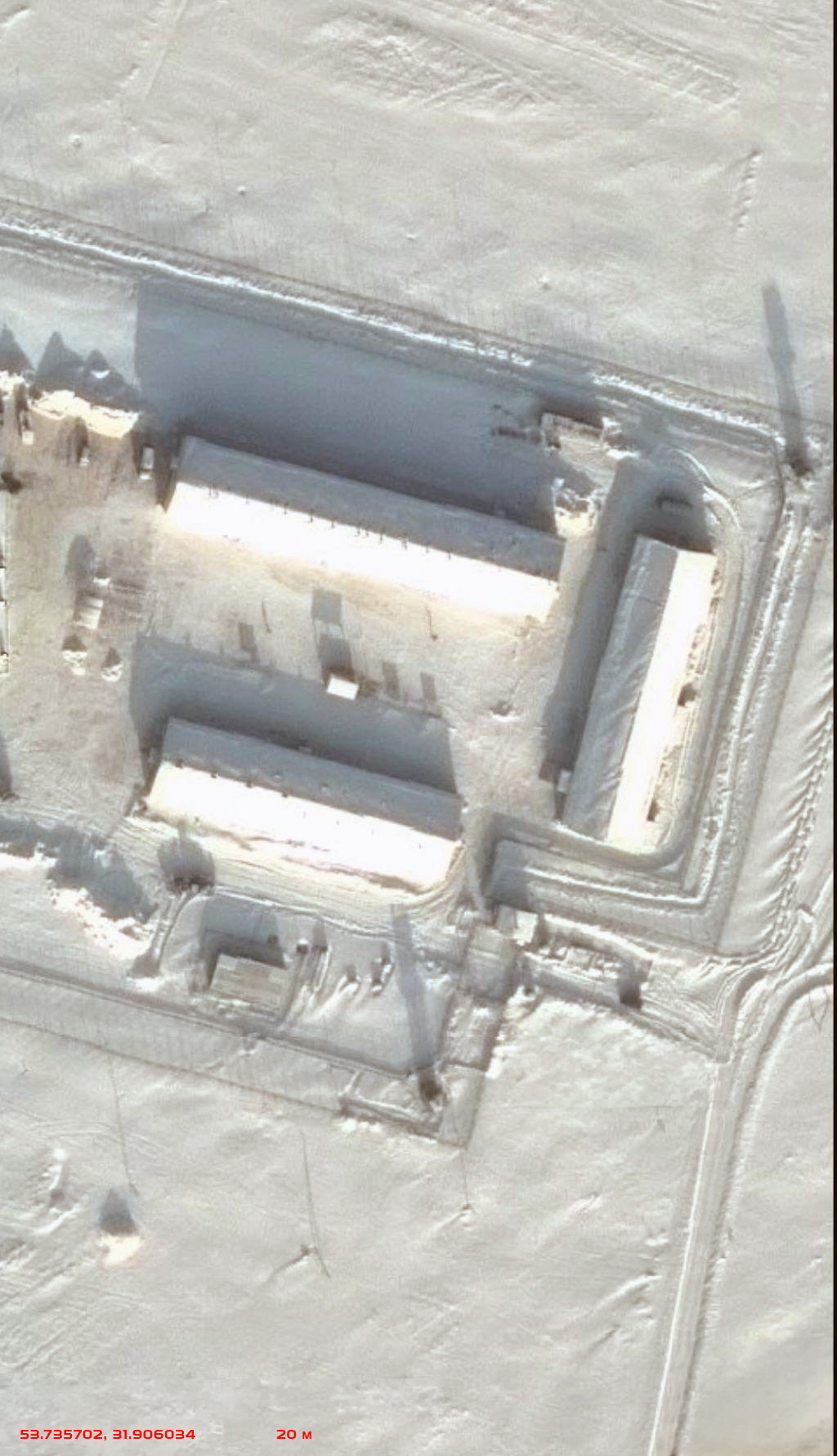
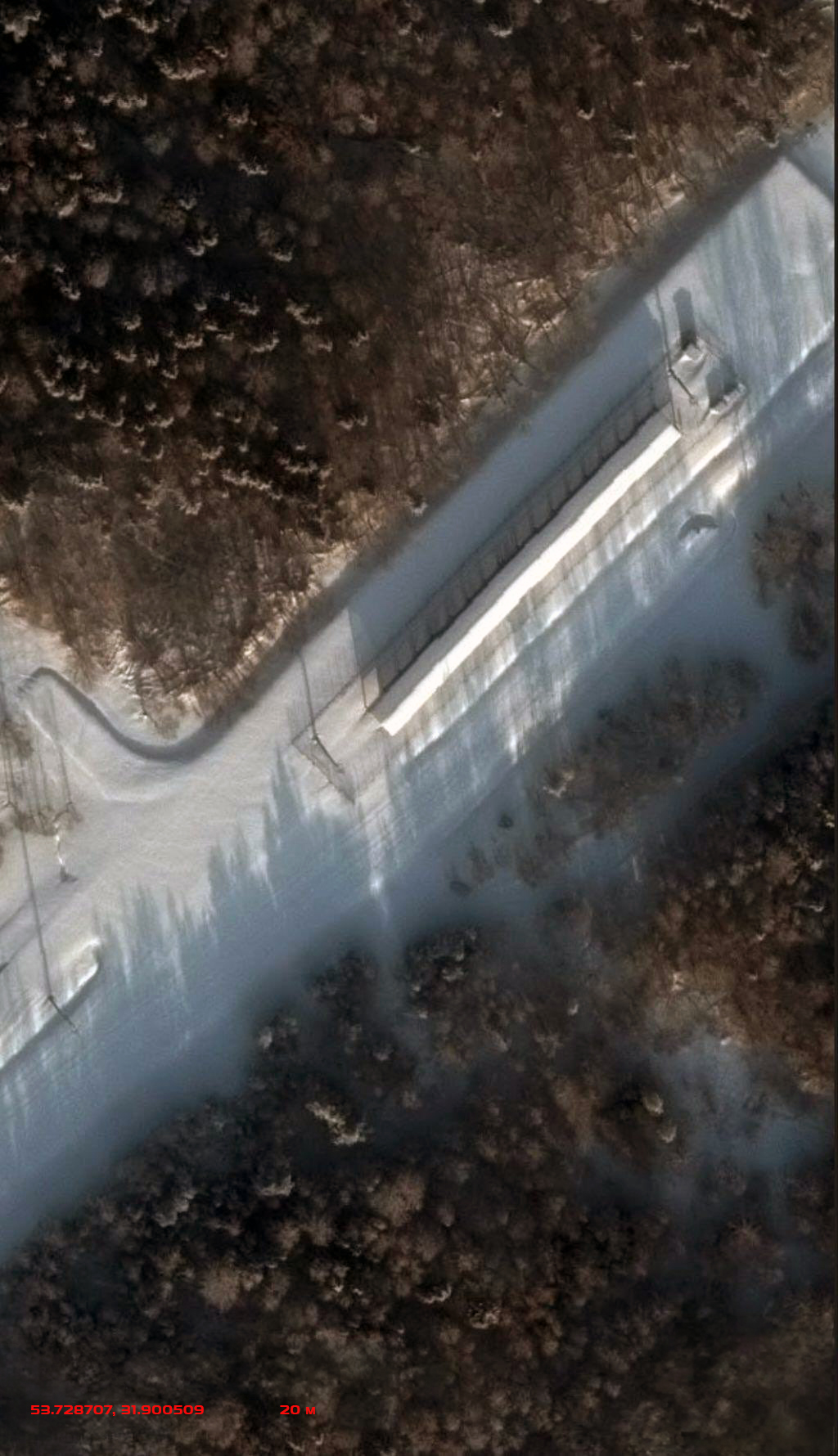
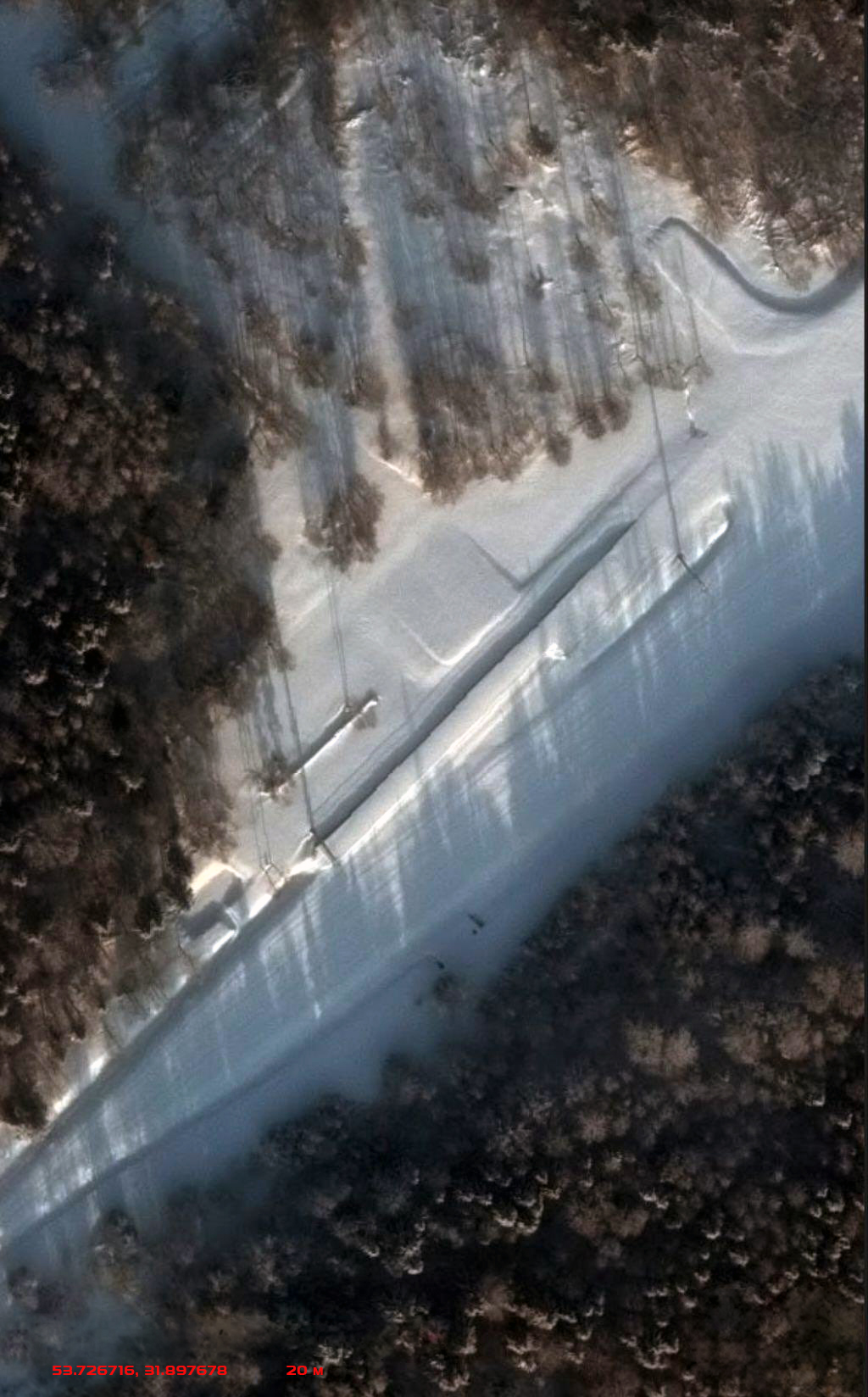
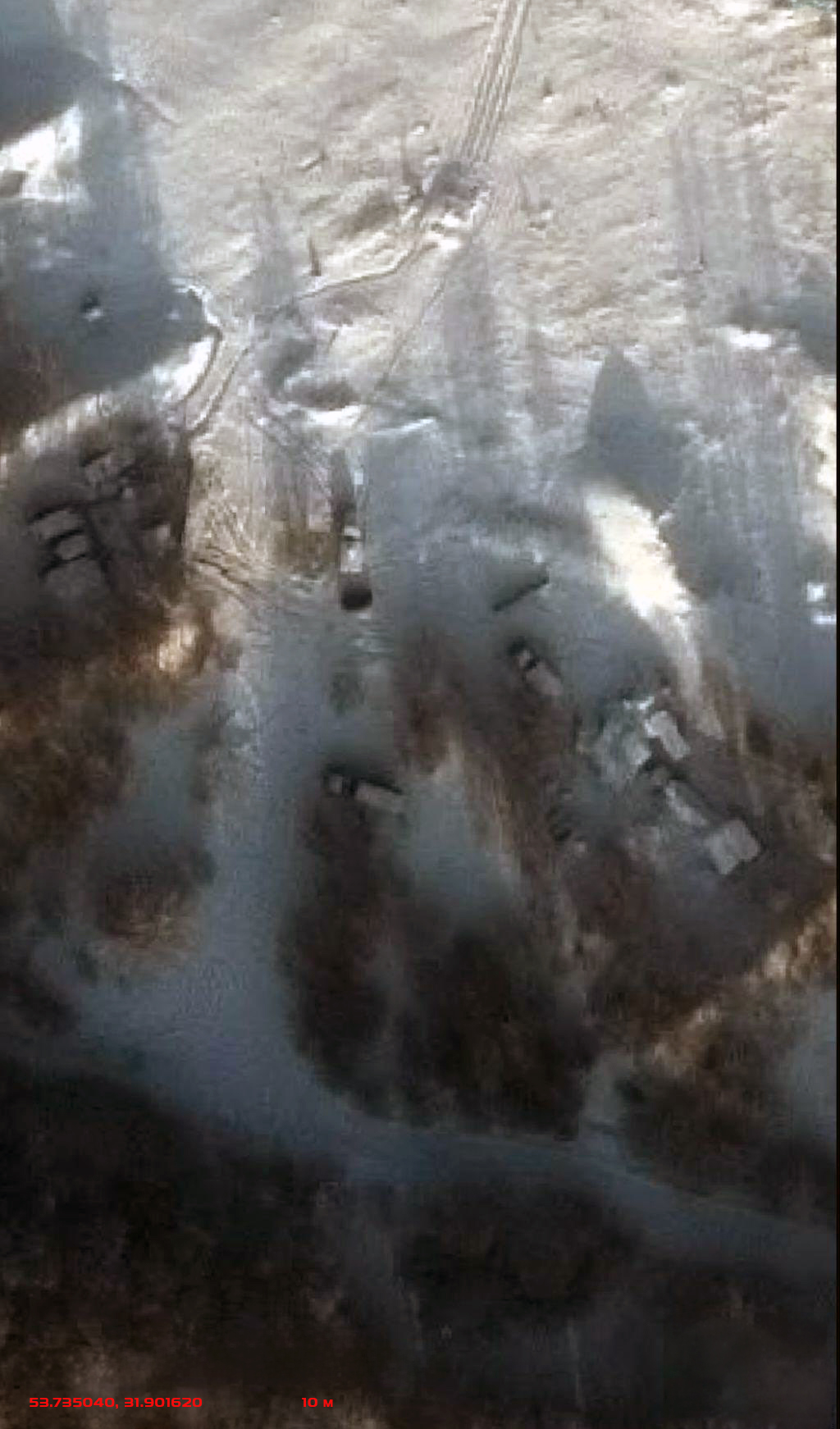
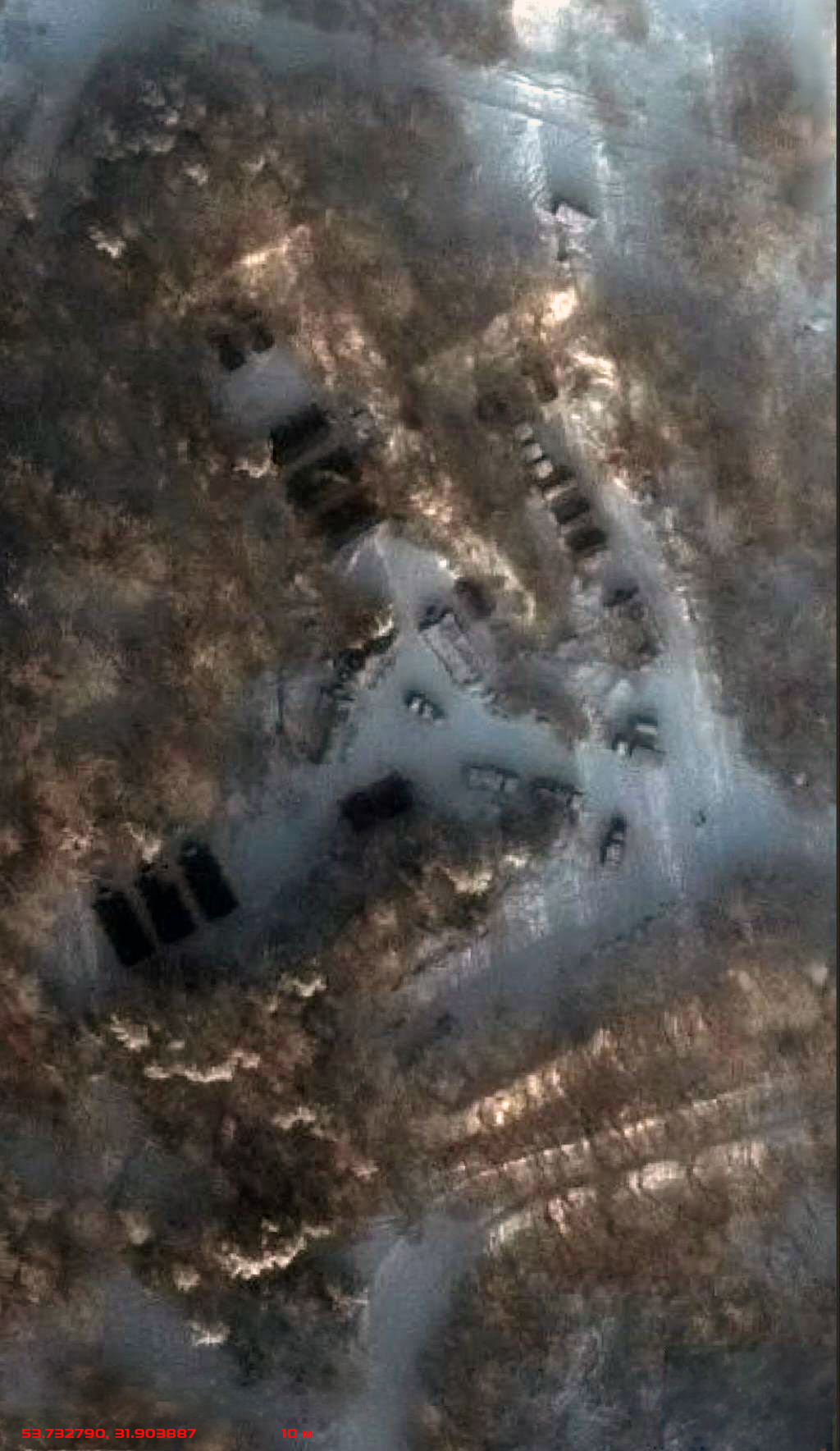
Over the subsequent four months, further construction work was carried out as part of the project. The next series of satellite images shows that the territory was landscaped and improved, driveways and parking areas for vehicles were organized, the construction of some structures and canopies was completed, and the track layout of the facility acquired a finished appearance.
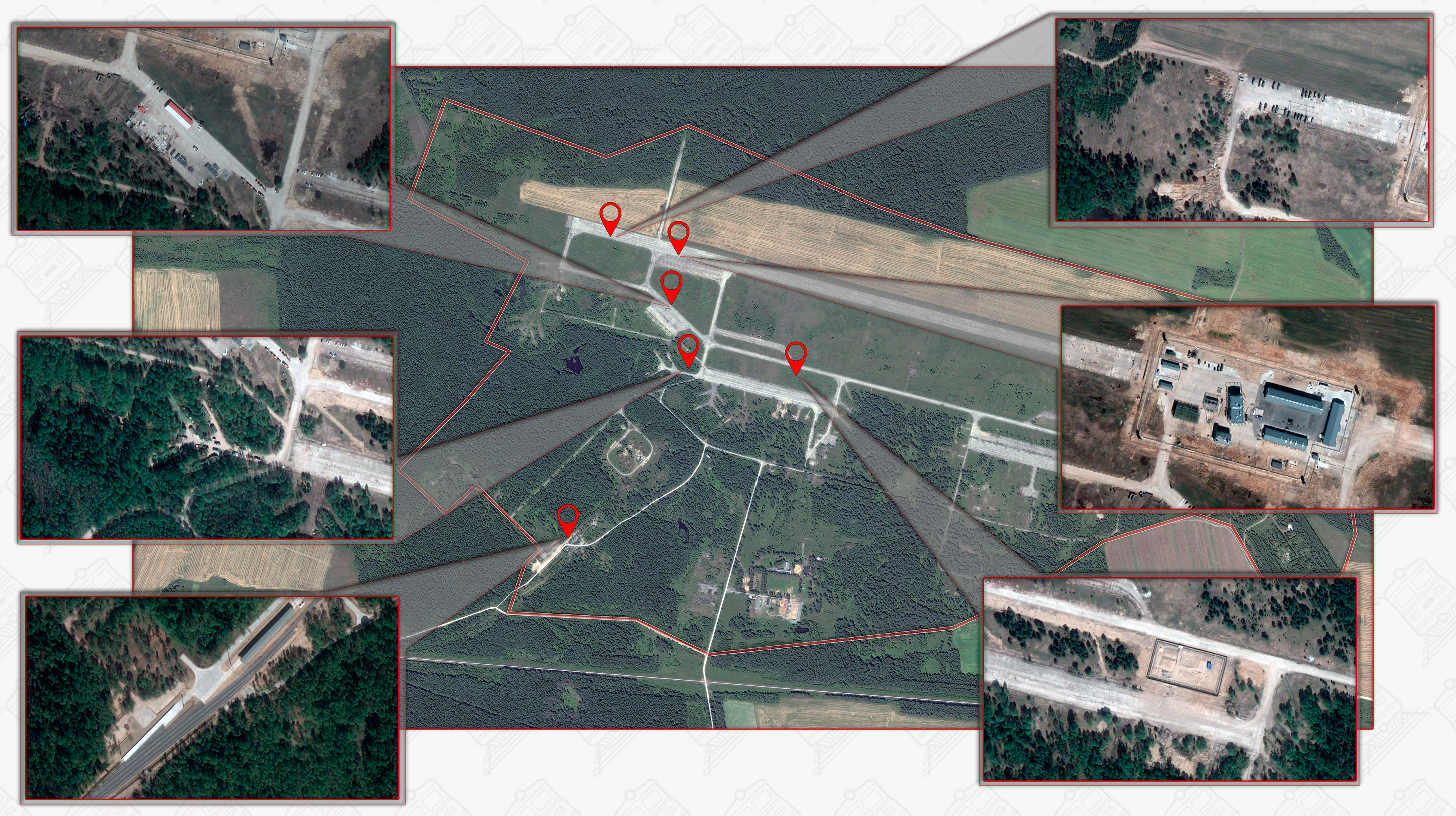
The next series of images of the “logistics center” in Klimovichi district allows for even greater certainty in asserting the not-entirely-civilian function of this facility.
The visible organized areas for deploying air defence systems and equipment elements — poles for placing camouflage nets — indicate that the future occupants of this facility consider it necessary to implement such safety measures, which in no way fit into the concept of conducting cargo operations with railway and road transport solely for the national economy.
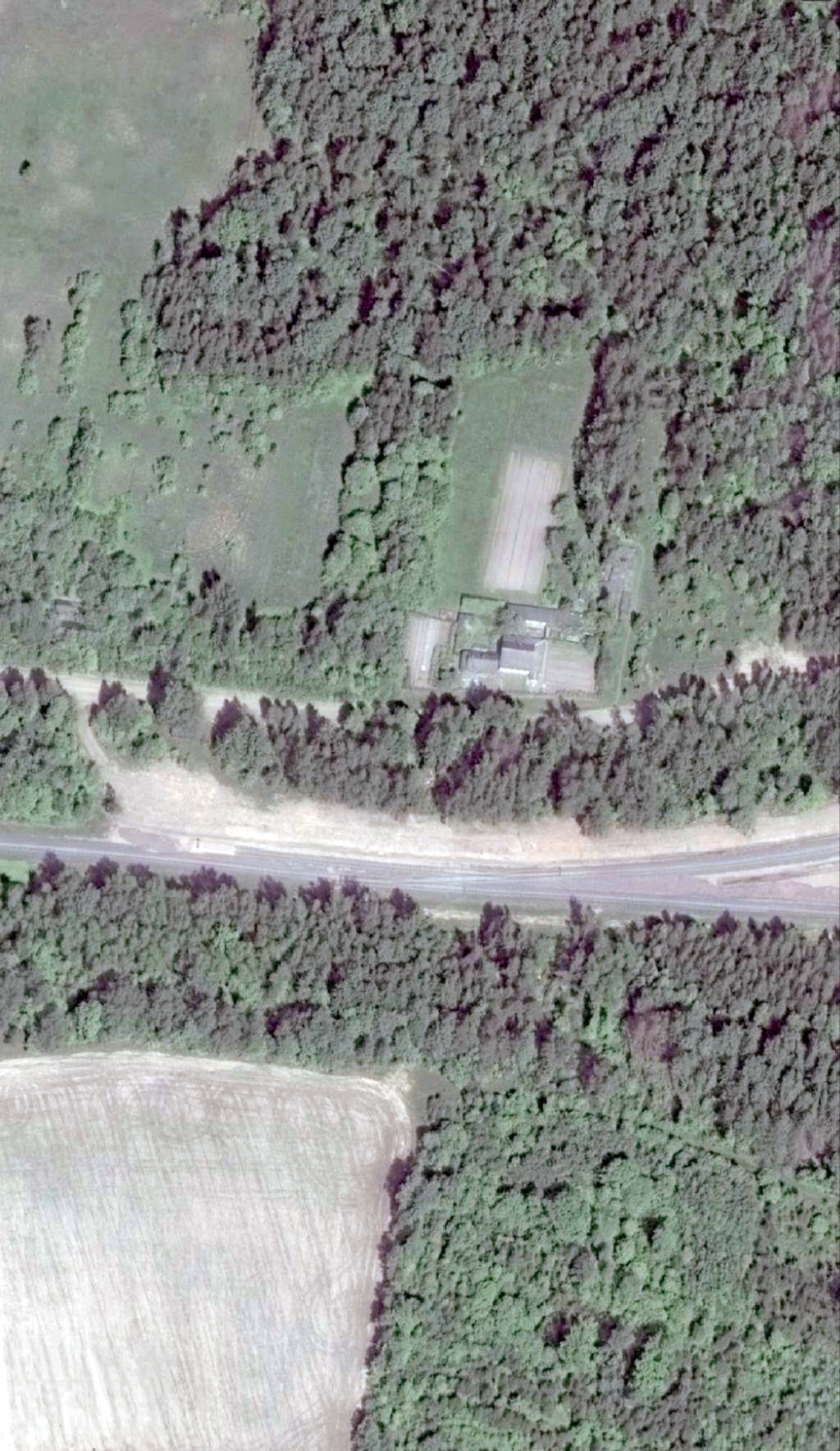
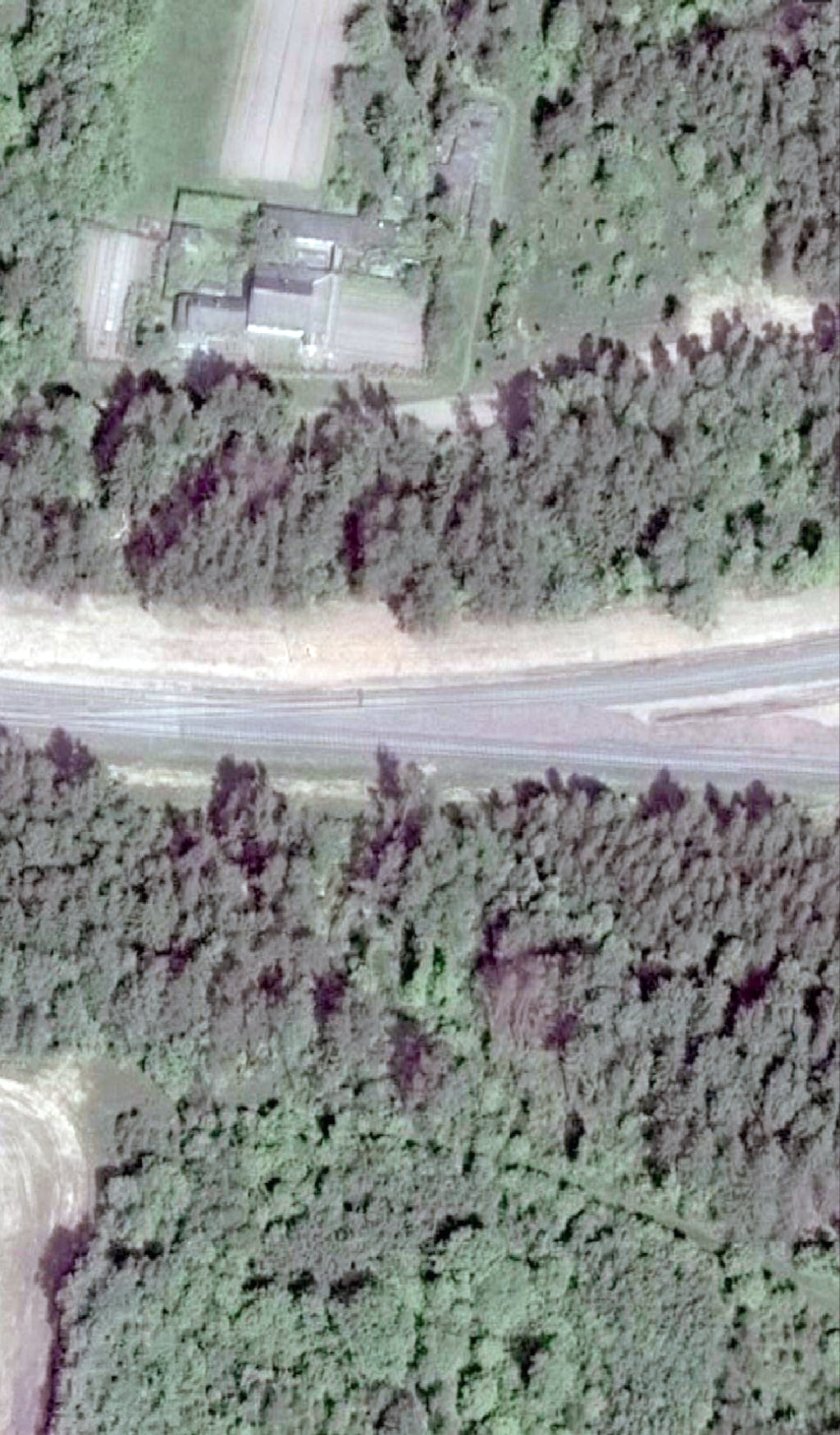
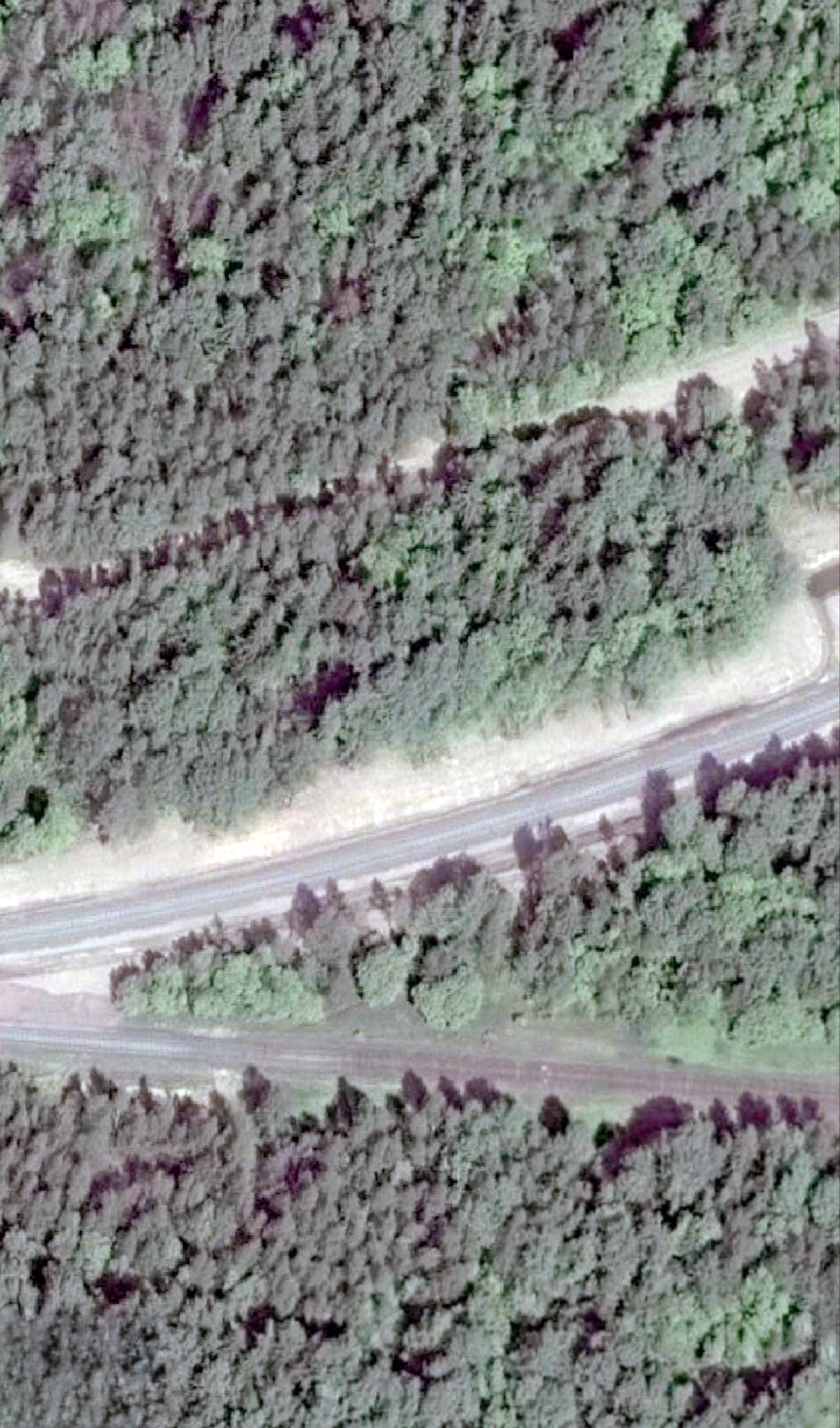
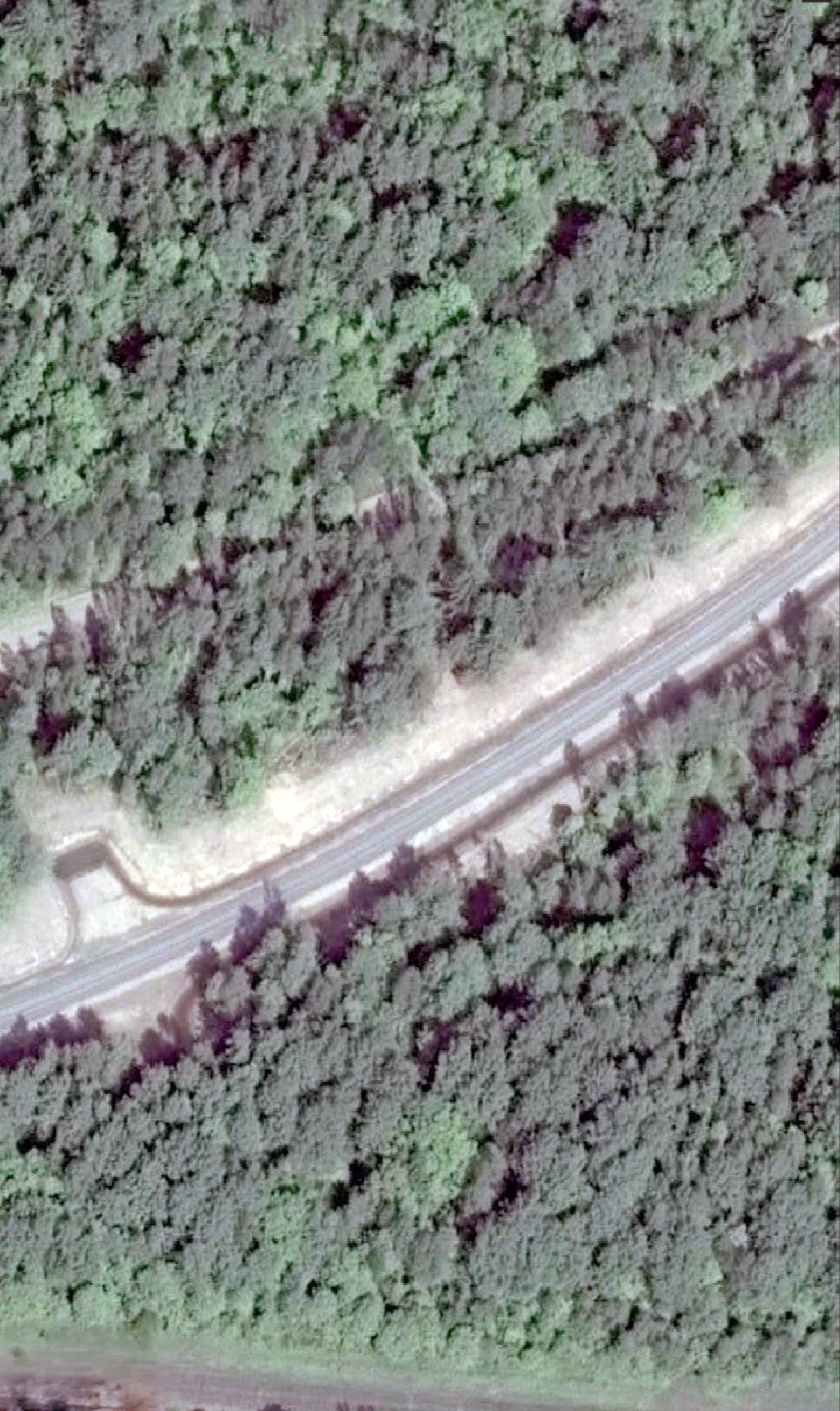
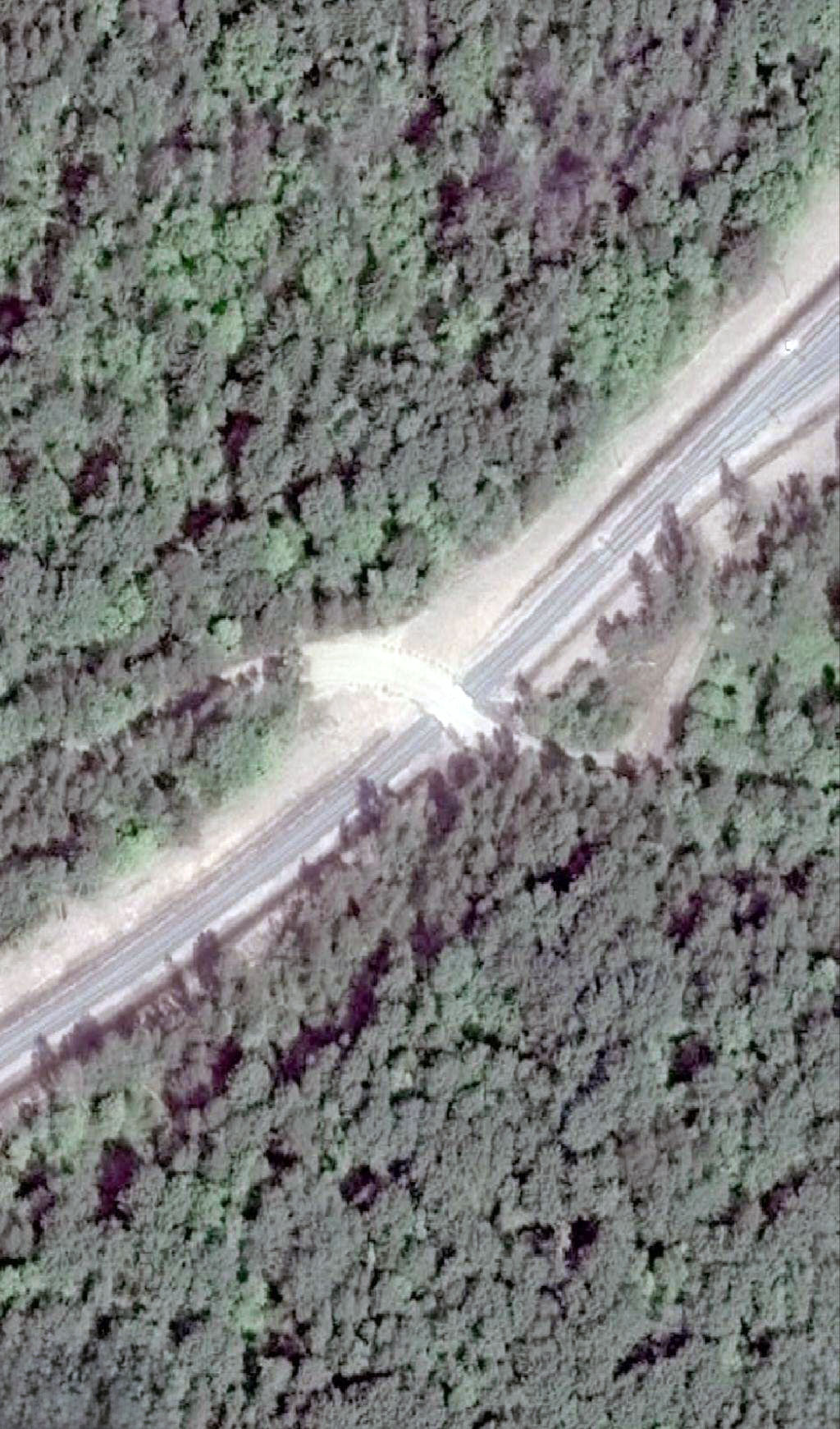
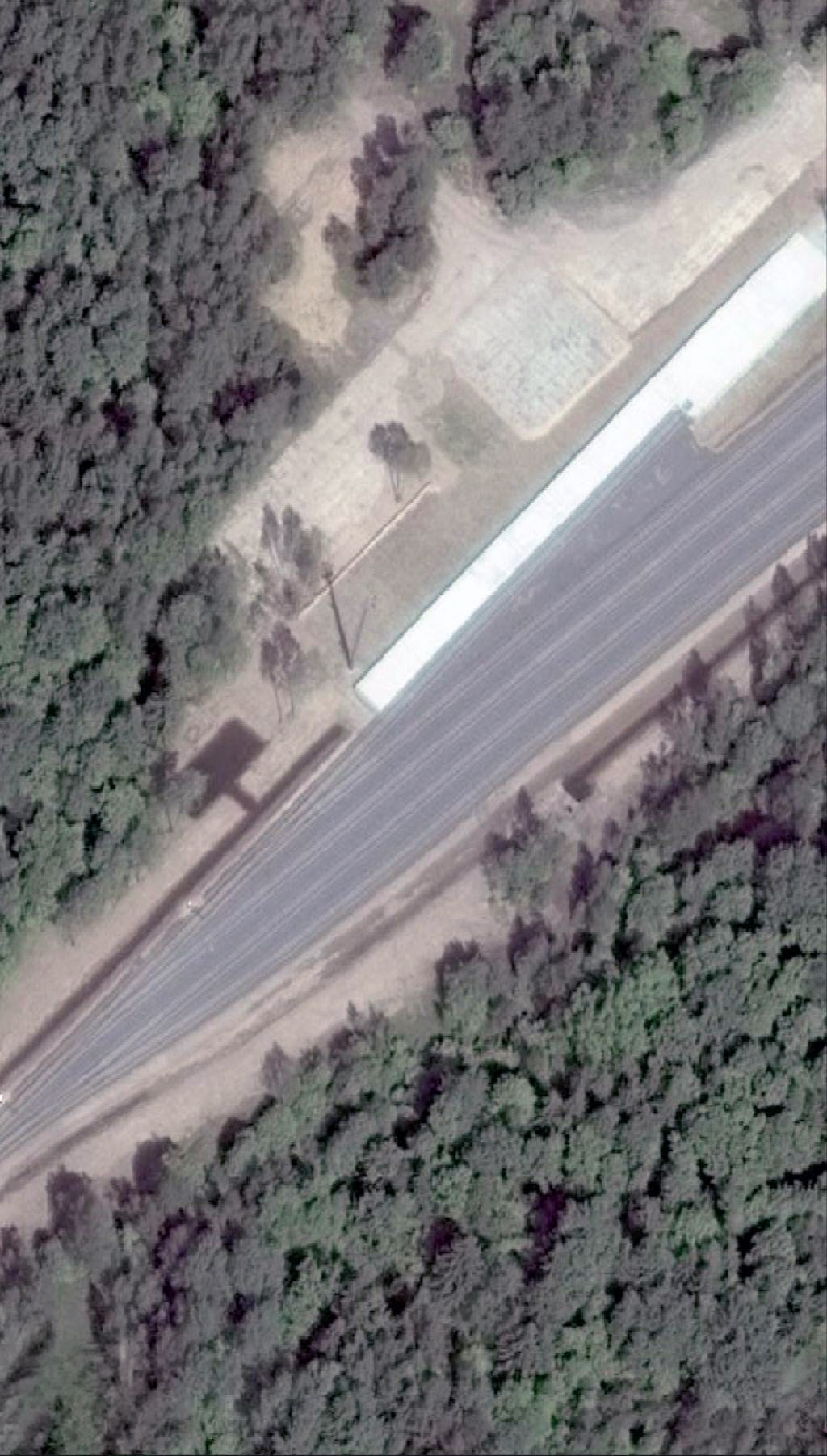
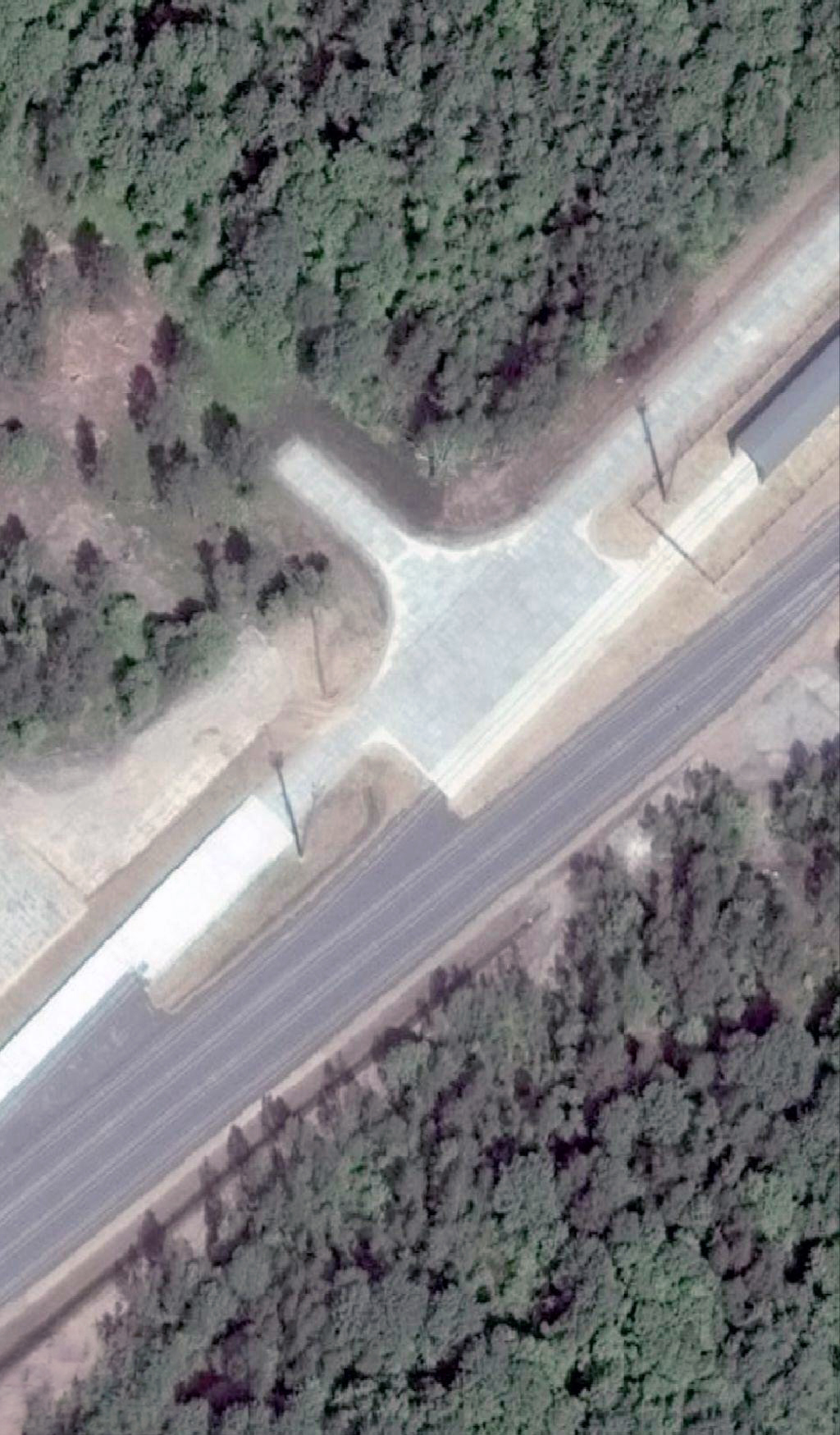
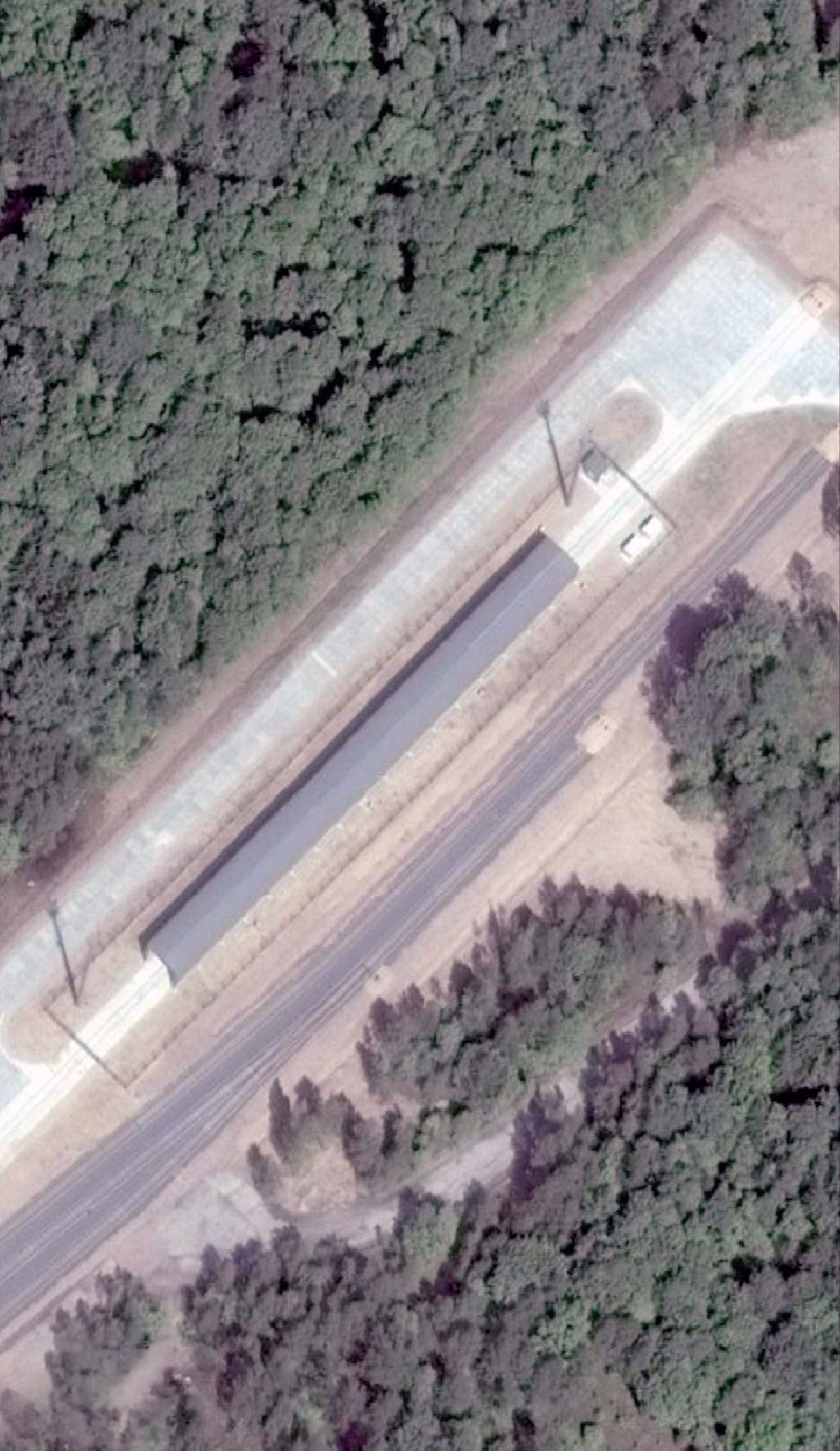
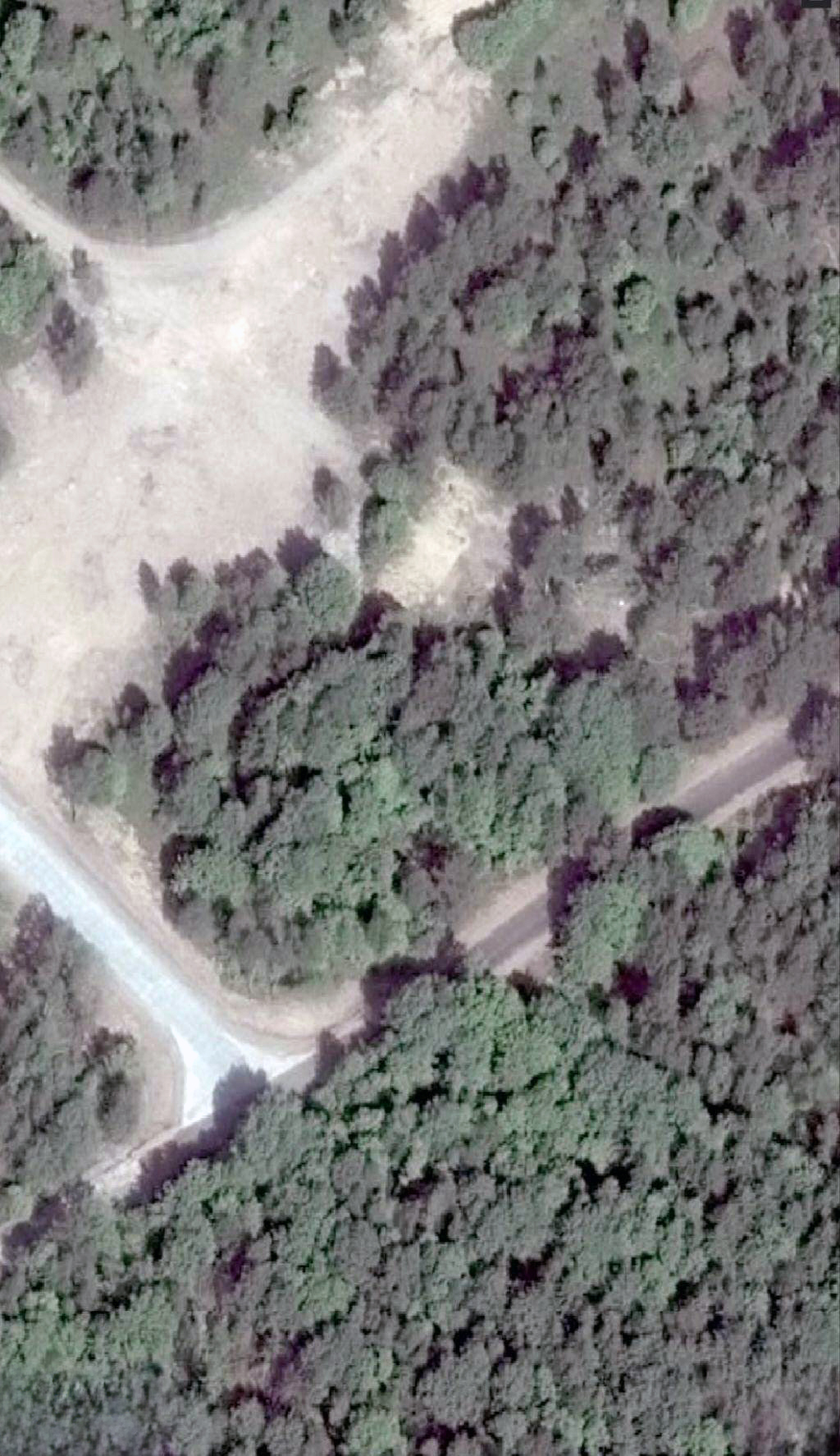
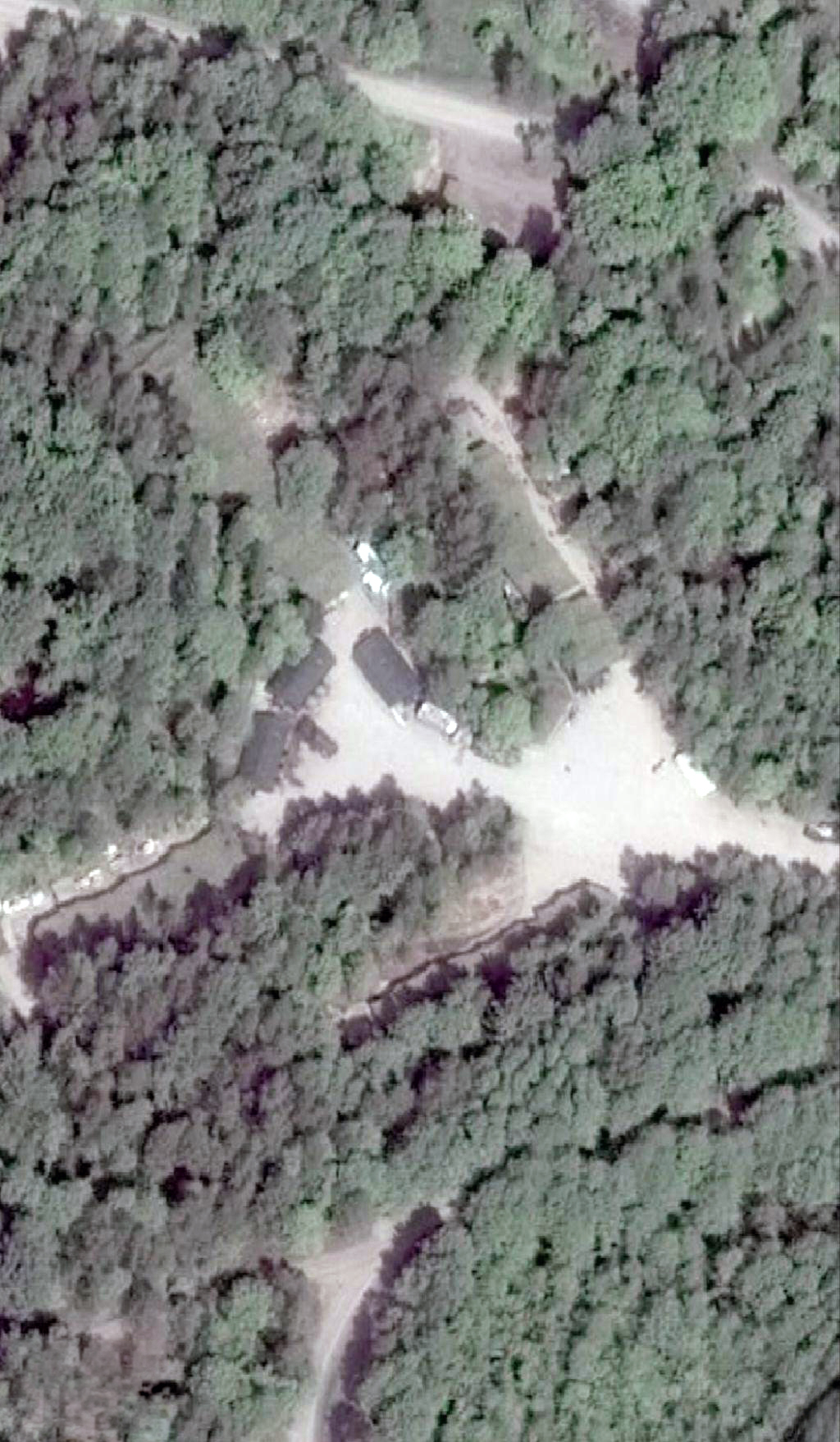
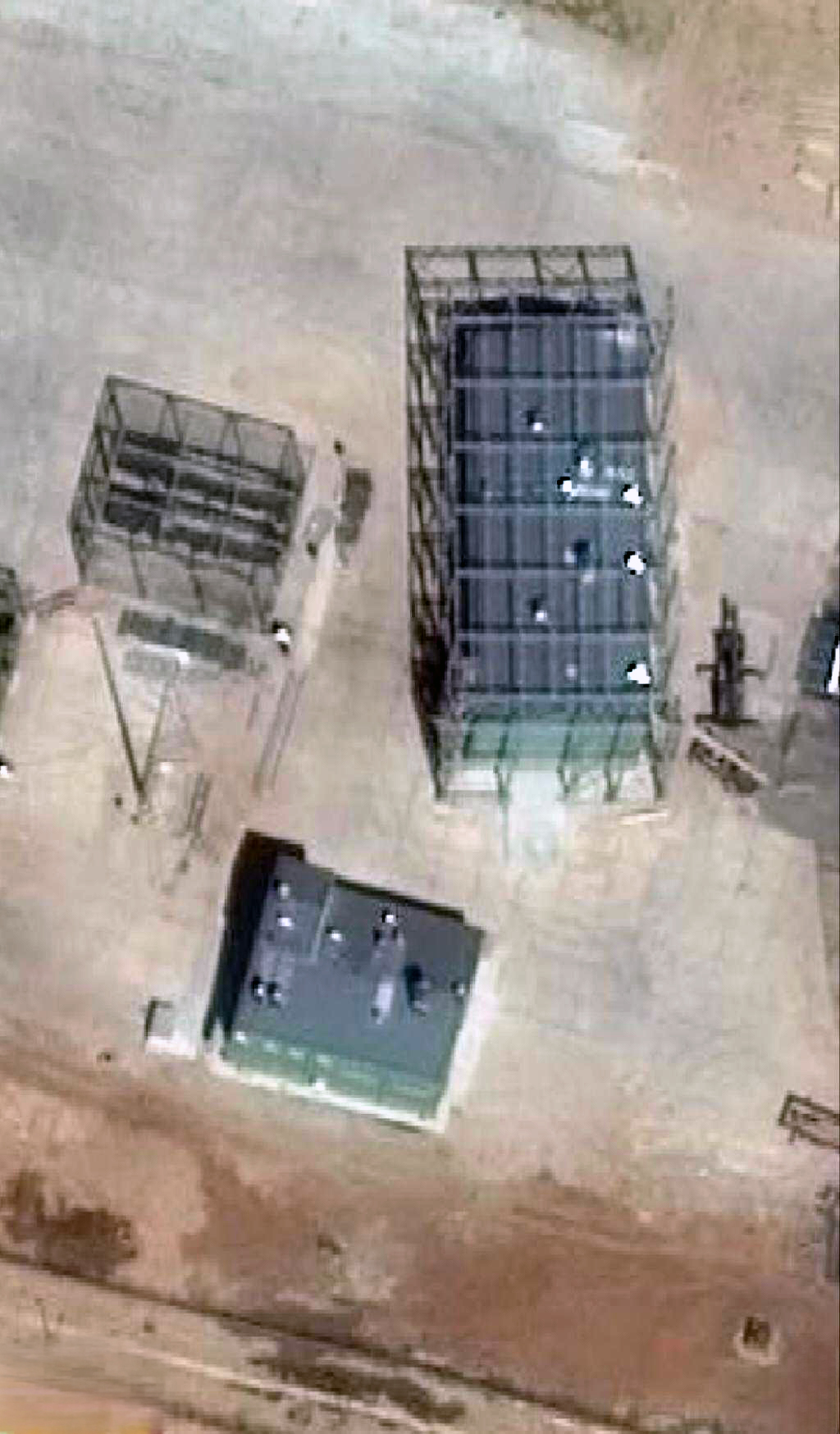
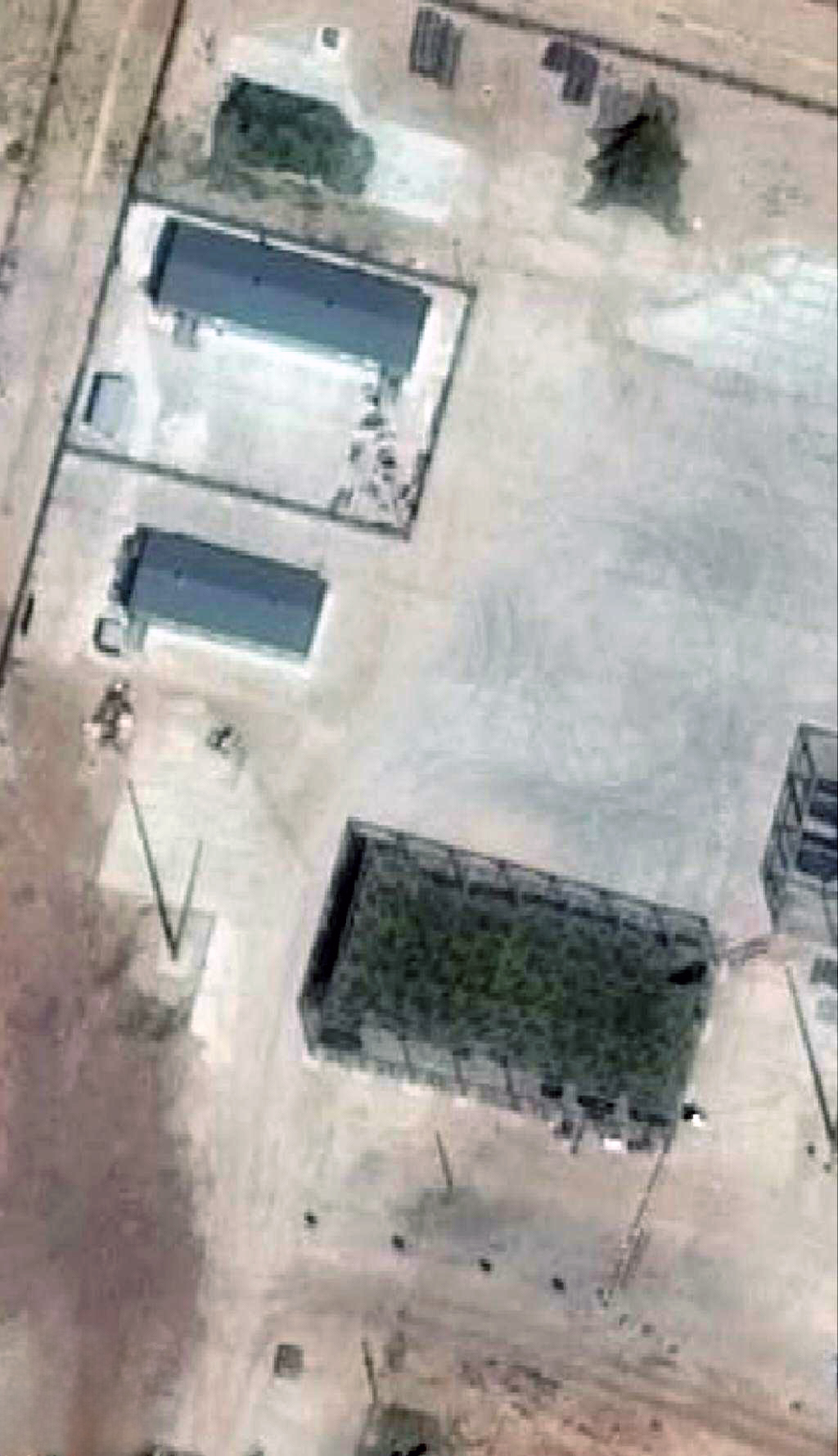
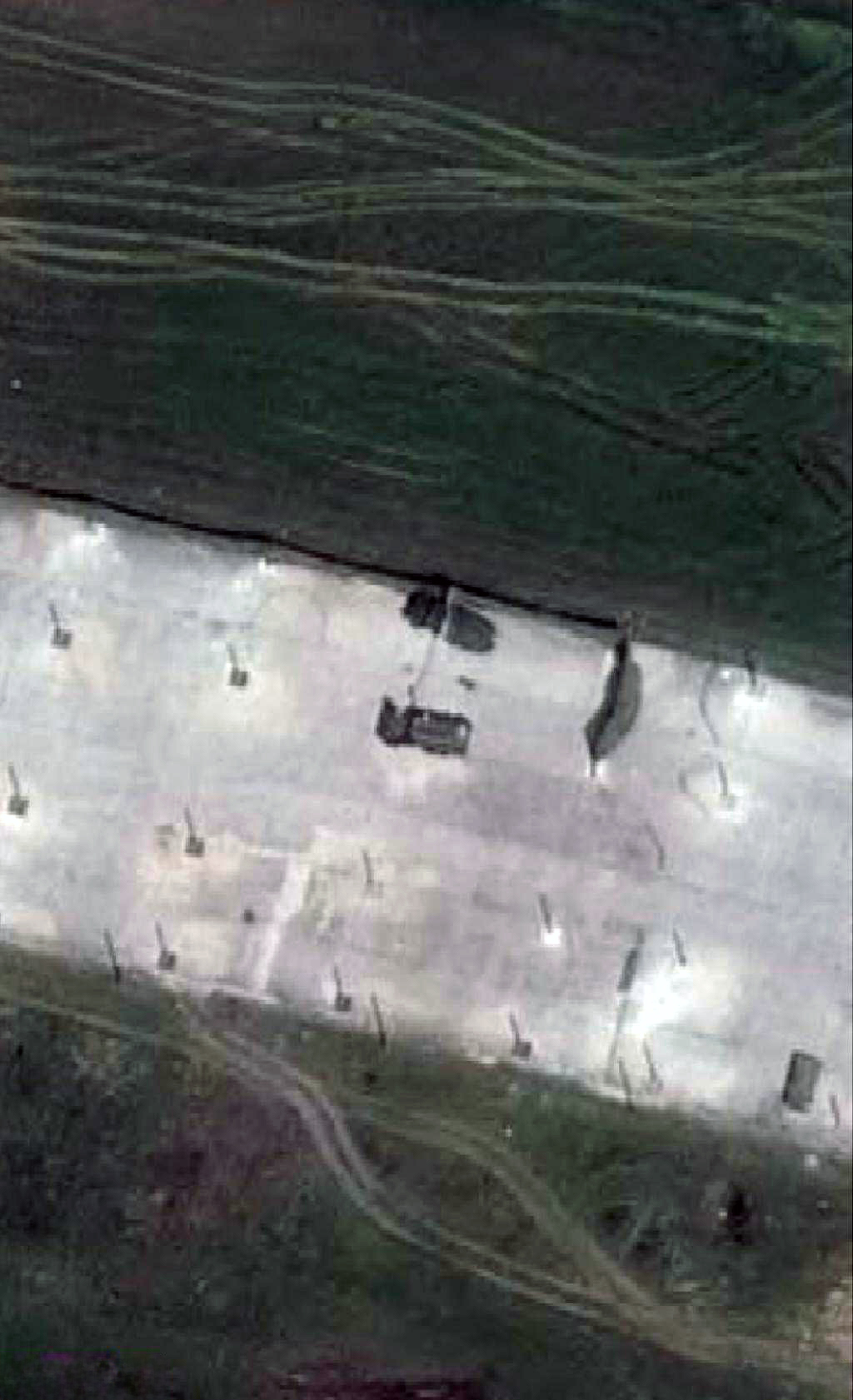
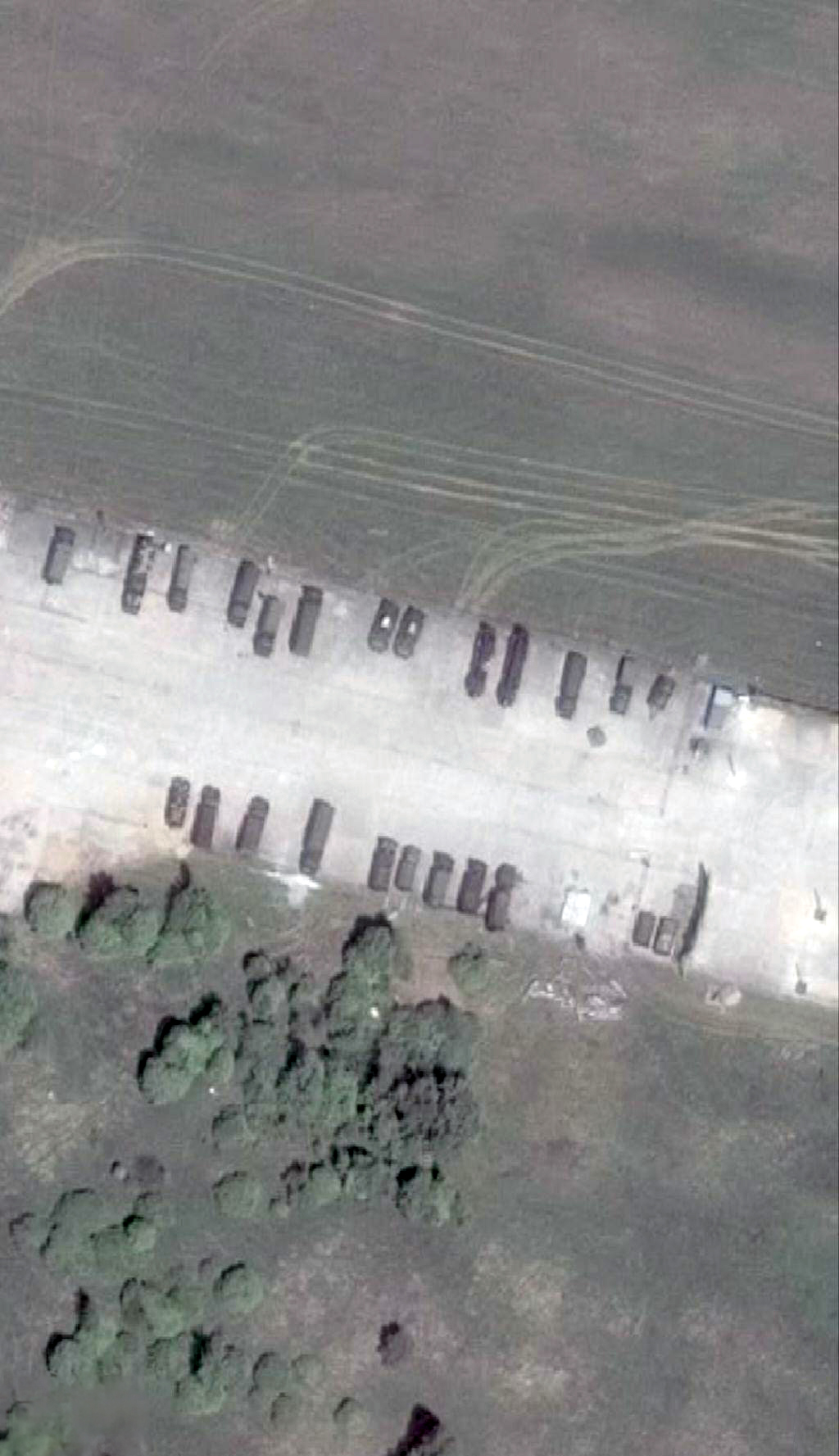
The presented design data, in conjunction with satellite imagery, allow us to confidently state that under the guise of a “logistics center” in Klimovichi district, infrastructure is being created that can be used for receiving, unloading, and servicing heavy military cargo, including elements of missile systems, support equipment, or other strategic assets.
This is confirmed by the fact that the region is not an obvious and logical location for a civilian logistics center; the territory of a former closed-type airbase is being utilized; the construction initiative appears clearly linked to military interests; the scale of the railway infrastructure is excessive for the local economy; the facility is being created in a compressed timeframe, and the railway capacities being built are designed to receive heavy train consists and operate in a closed mode.