Previously, we reported on several large construction projects intended for the needs of military structures. These include the virtually completed secret “logistics center” on the territory of the former Krichev-6 airbase, a facility on the territory of the 1405th artillery ammunition base (military unit 42707) near the village of Bolshaya Gorozha in Osipovichi district, as well as a loading and unloading ramp near Novodvortsy station, created to serve CJSC “Zavod Korpusnykh Izdeliy”.
All these projects are united by their own railway infrastructure. Railcars are delivered directly to the facilities via access tracks, where equipment and material resources can be unloaded on site. The road leg from the nearest station is either shortened or not required at all in such a scheme.
According to available information, the initiative to construct facilities in Krichev-6 and Bolshaya Gorozha came from Russian military departments. The work was carried out by the Belarusian side with the participation and monitoring of Russian representatives; technical requirements, deadlines, and the procedure for the further use of the facilities were agreed upon with the Russian side.
Another military facility with its own railway component is being built in Gomel region. Its official name is “Construction of a training ground in Gomel region”. The customer is RUE “Institute ‘Voenproekt’”, and the project documentation developer is LLC “TransSoyuzProekt”.
The Gomel publication “Flagstaff” previously reported on the construction site and progress. In January 2026, it established that the training ground was being built near Yakimovka station and confirmed the start of work. In July, satellite images showed a clearing for the future railway branch line, and in August, individual sheets of technical documentation confirming the location of the facility near Yakimovka station became known.
Earlier materials also indicate the military purpose of the facility. The customer for the engineering and topographic basis in 2023 was named the State Institution “Capital Construction Department of the Armed Forces of the Republic of Belarus”. The current set of documents now lists RUE “Institute ‘Voenproekt’” — the documents relate to different stages of project preparation.
The railway part was allocated to the third stage of construction — “Engineering and Transport Infrastructure. Railway Transport”. It includes a non-public access track, loading and unloading facilities, electrical interlocking system and communication devices, outdoor lighting, and other systems for servicing railcars on the training ground territory.
The third stage covers the entire railway service scheme: connection to the existing station track, placement of railcars on the training ground territory, organization of shunting, communication, and loading and unloading operations. After the completion of these works, the training ground will be able to receive railcars directly from the Belarusian Railway network as a separate freight point.
Project materials were developed in 2025 based on engineering surveys conducted in December 2024. In October 2025, the general plan was adjusted based on comments from RUE “Glavgosstroyekspertiza” No. 727-15/25. The main decisions — the route of the access track, its connection to the station, and the location of the ramps — did not change after the adjustment.
Yakimovka Station
The training ground is being built in a forest area of Rechitsa district near Yakimovka station. This is an intermediate Class V station on the Kalinkovichi — Gomel section of the Gomel Division of the Belarusian Railway (NOD-4).

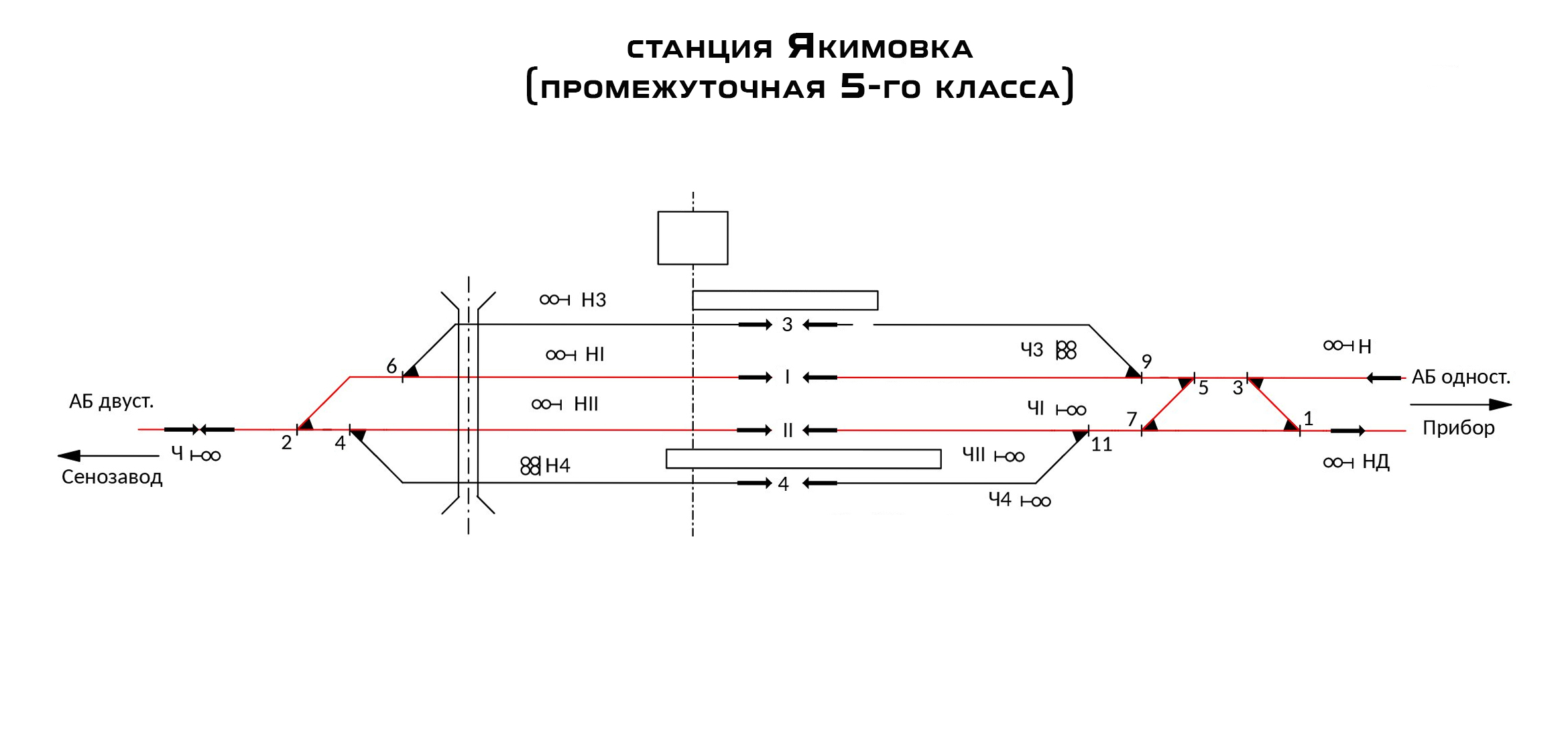
From the Kalinkovichi side, the single-track block section Yakimovka — Senozavod, equipped with two-way automatic block signalling, adjoins the station. From the Gomel side, there is a double-track block section Yakimovka — Pribor with one-way automatic block signalling. The station's track layout includes two main tracks and two side tracks, as well as two low passenger platforms.
According to the station's technical and administrative regulations, tracks I, II, 3, and 4 are permitted for receiving, passing, and train departure with dangerous goods of class 1 — explosives — and yellow phosphorus. For temporary storage of a train consist with dangerous goods of class 1 without a locomotive, track No. 4 in the odd-numbered throat of the station is provided: railcars must be placed no closer than 50 m from signal Ch4. In an emergency with dangerous goods of classes 2–9, railcars, depending on the requirements of the emergency card, are also directed to track No. 4 towards the odd-numbered side of the station.
The existence of such a permit does not confirm future transportation of ammunition or other dangerous goods to the training ground. Yakimovka's station operating procedures is already designed to receive and pass railcars with explosives and provides a track for their temporary storage without a locomotive.
If such railcars begin to be delivered to track No. 3a, the procedure for working with them will need to be formalized in the local instruction for the operation of the non-public access track and linked to the station's technical and administrative regulations.
Track No. 3a: Connection and Route Protection
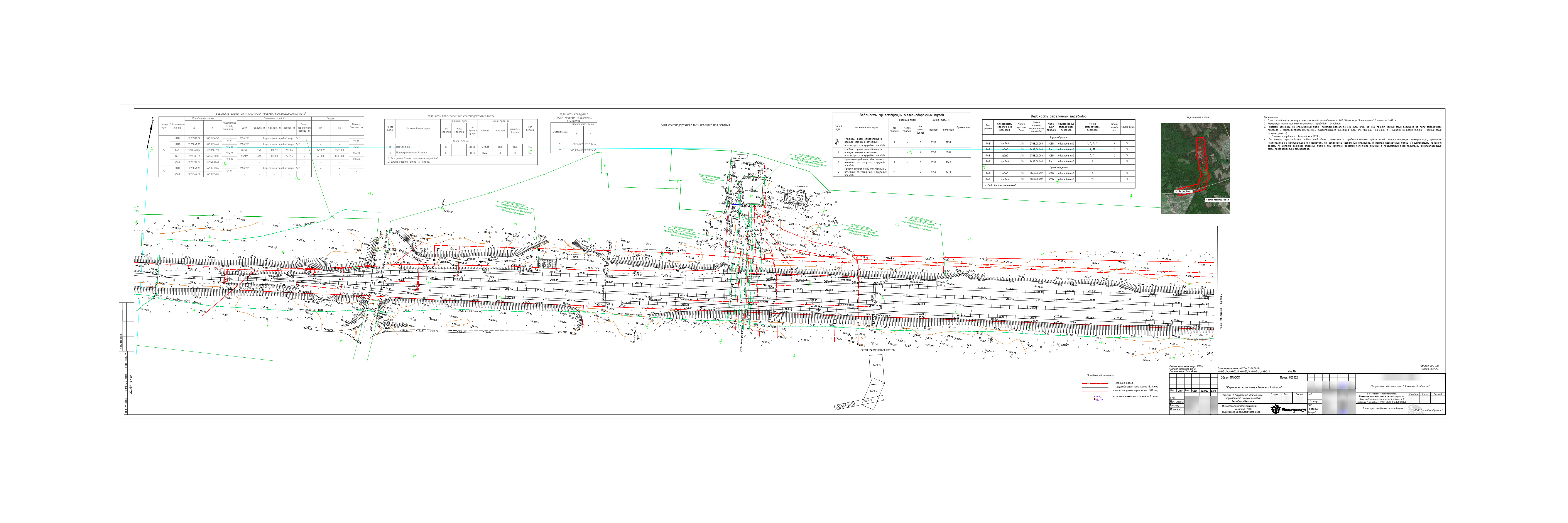
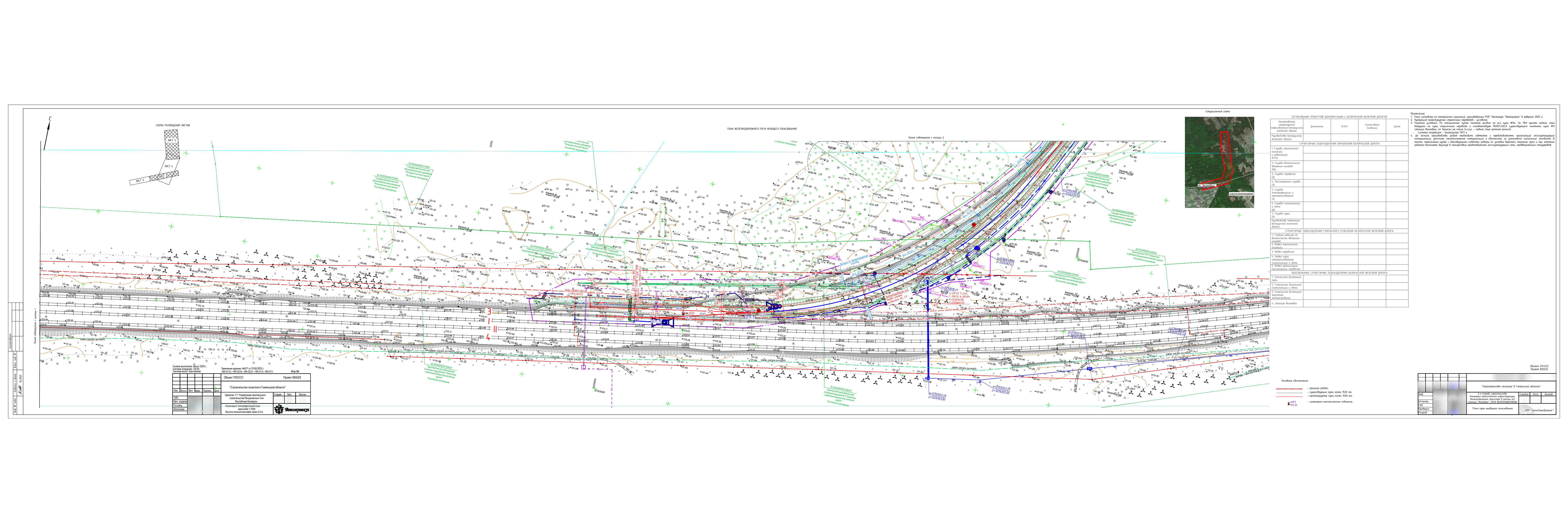
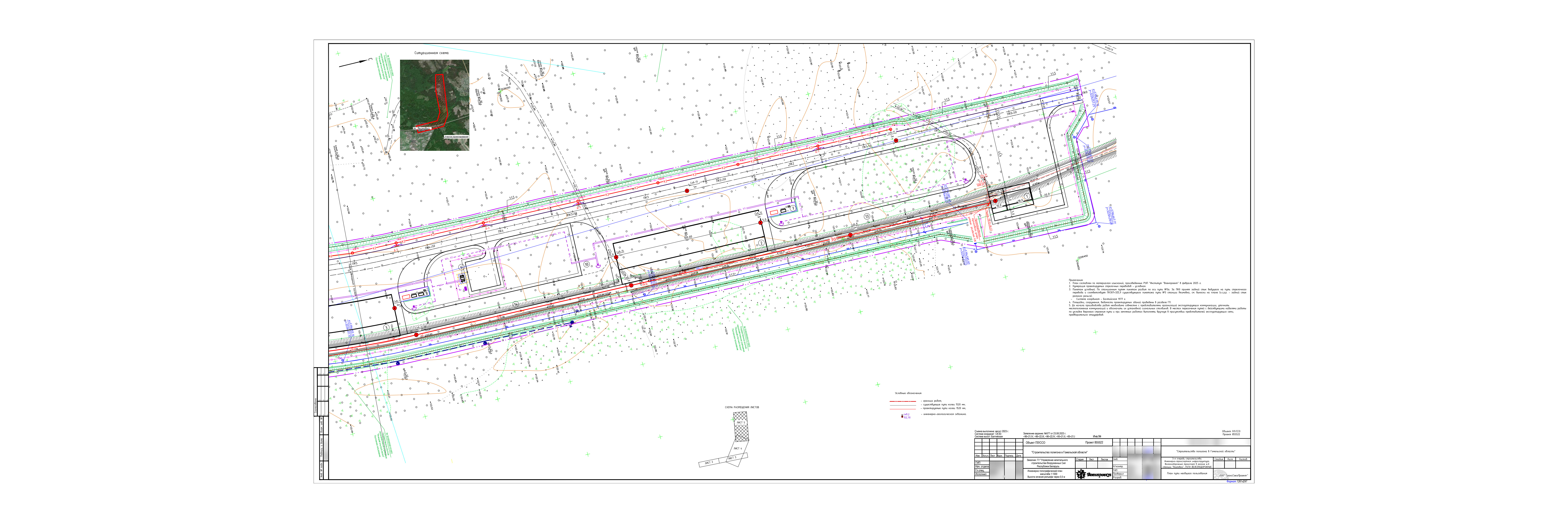
According to the project, the track to the training ground branches off from the existing reception-departure track No. 3 at the odd-numbered throat of Yakimovka station. Turnout No. 15 is laid into track No. 3 — from it begins non-public access track No. 3a, leading to the loading and unloading complex inside the training ground.
The full design length of track No. 3a is 1,238.28 m, the usable length and the length of the track to be laid are 1,158 m each. The general plan provided an approximate estimate of about 1,500 m, but a later specialized railway section clarifies this figure. Part of the route will pass along the corridor of the former branch line. The sandy embankment preserved here, 1 to 1.3 m high, has not been used for about 30 years and has become overgrown with trees and shrubs.
The old embankment will form the basis of part of the route. But the branch line is actually being built anew: the territory needs to be cleared, an earth bed and drainage system arranged, a new track superstructure laid, ramps, driveways, and utility networks built. The project statement provides for the removal of 9,085 trees and the removal of vegetation soil over an area of 90,500 m².
Track No. 3a includes a second turnout — conditional No. 13, leading to safety siding No. 5a. The full length of the siding will be 110.07 m, the usable length 50 m, and the length of the track to be laid 88 m. In its normal protective position, the turnout directs runaway railcars into the siding, preventing them from entering station and main tracks.
Both designed turnouts are made of R65 rails, have a frog number of 1/11, and are laid on reinforced concrete turnout bearers. The project provides for the inclusion of turnouts No. 15 and No. 13 in the Yakimovka station's electrical interlocking system. Their control and position monitoring will be linked to the existing signaling system, interlocking system, and blocking devices.
After the turnouts are included in the interlocking system, the station duty officer will be able to control their position, prepare, and lock the route to track No. 3a. The connection will become part of the existing station control system. The specific procedure for delivering and removing railcars will be formalized in the local instruction and the station's technical and administrative regulations.
Shunting and Train Radio Communication
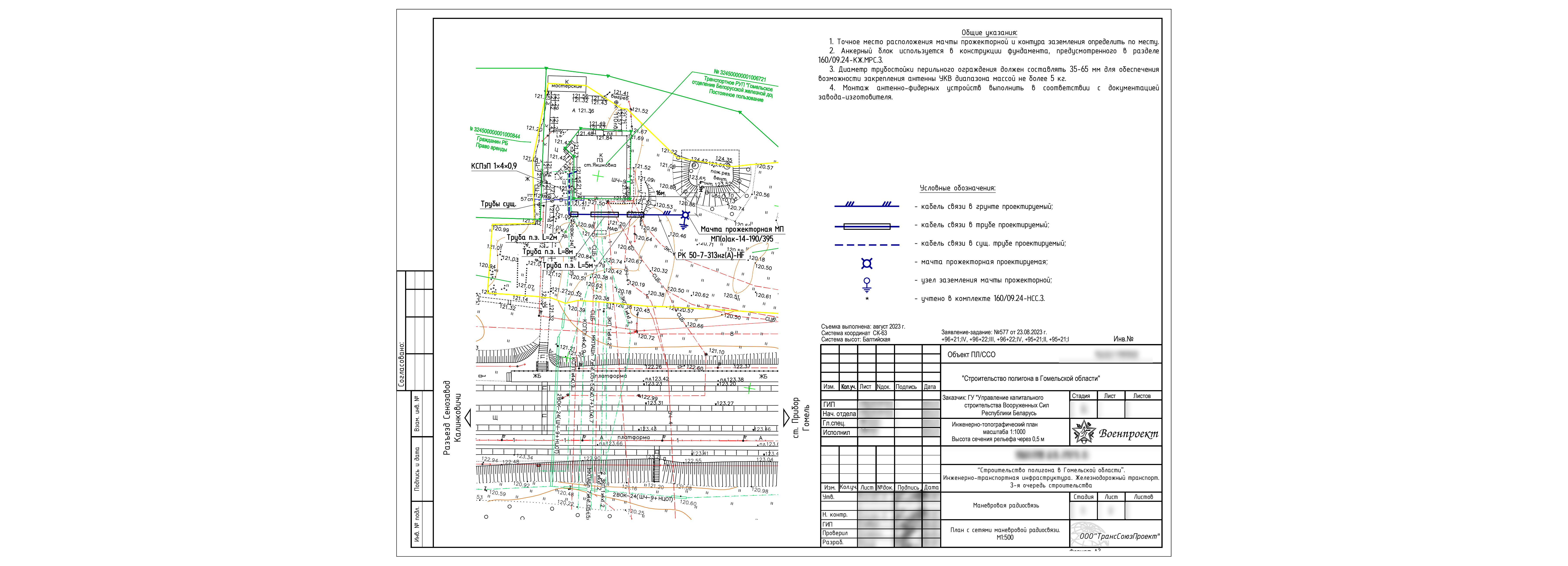
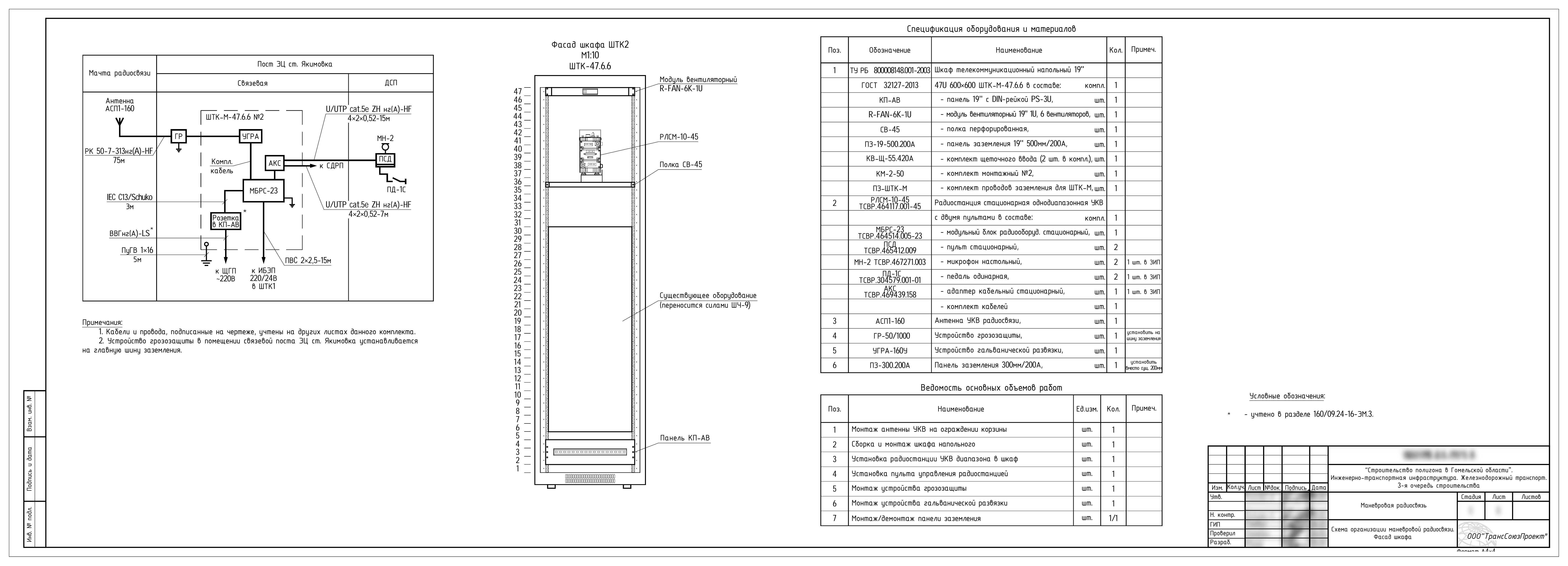
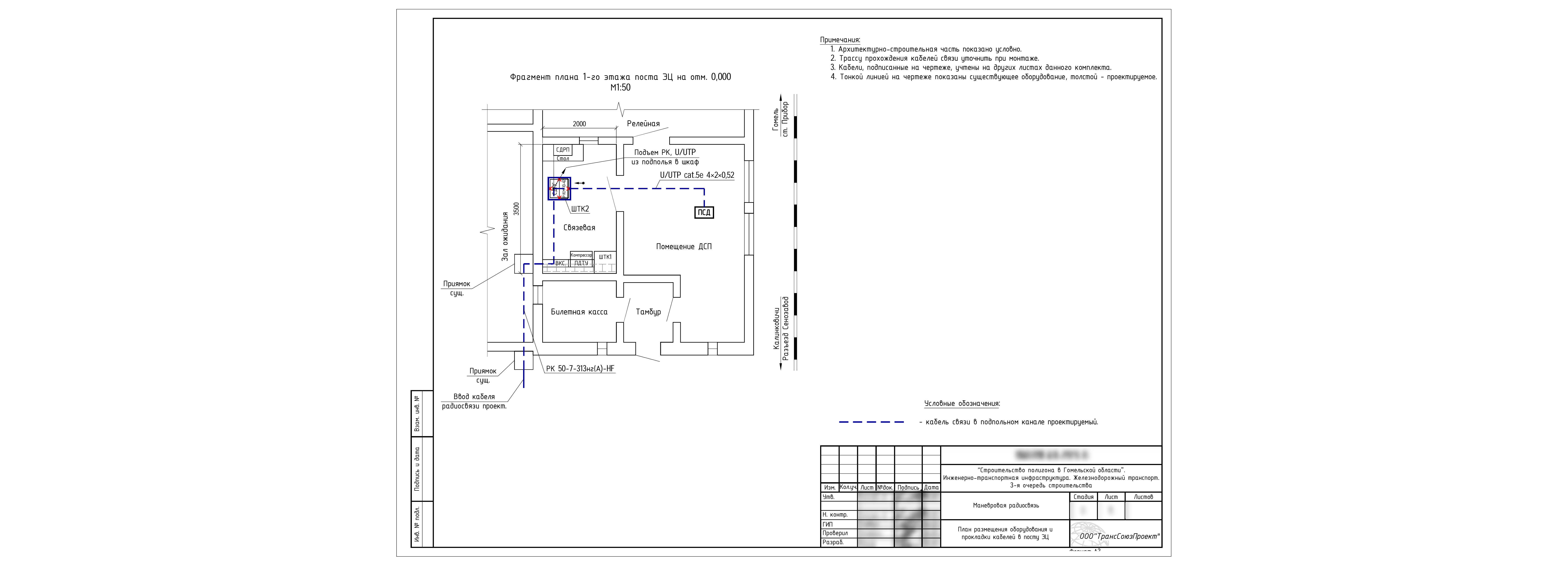
A separate shunting radio communication complex is being designed for the new track. It is intended for operational communications between the Yakimovka station duty officer and the shunting locomotive crew on both station tracks and the training ground access track.
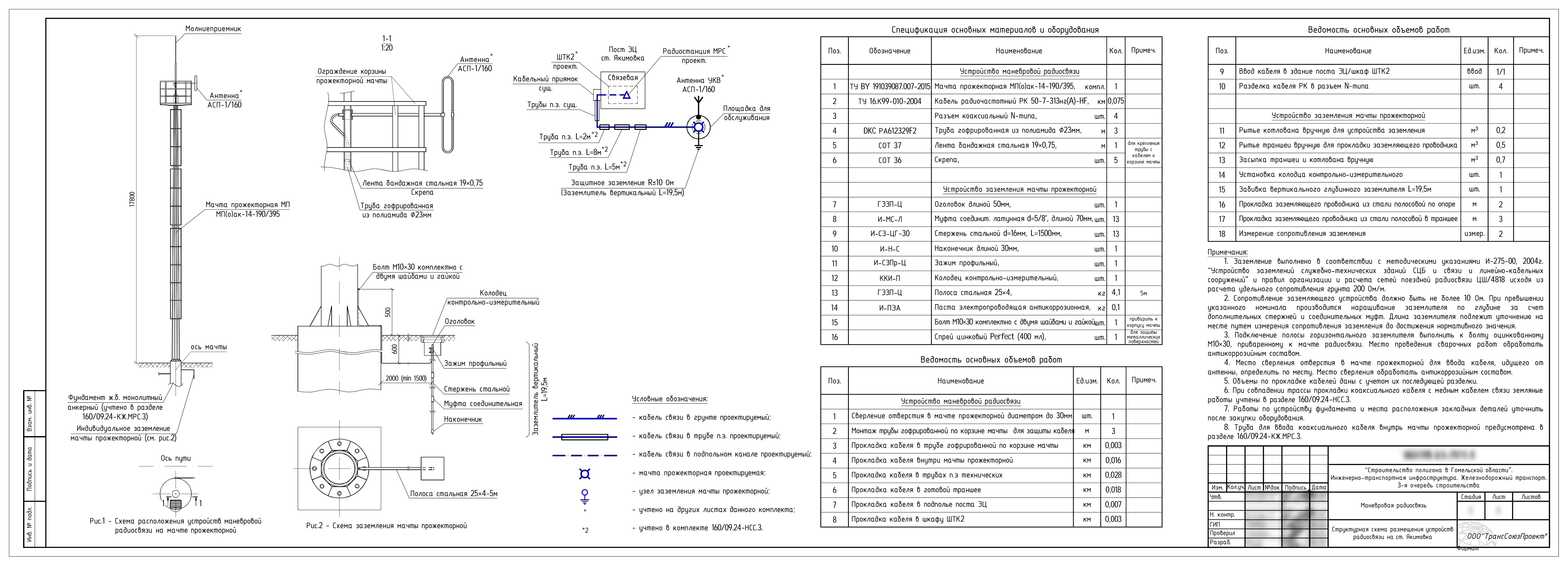
The VHF radio station is planned to be located in the communication room of the electrical interlocking post, and the control panel directly at the station duty officer's workplace. A separate mast is provided for the antenna. The main power supply for the equipment will be from the existing switchboard, and the backup from the existing 24 V DC source. The backup power will allow radio communication even if the main power supply fails.
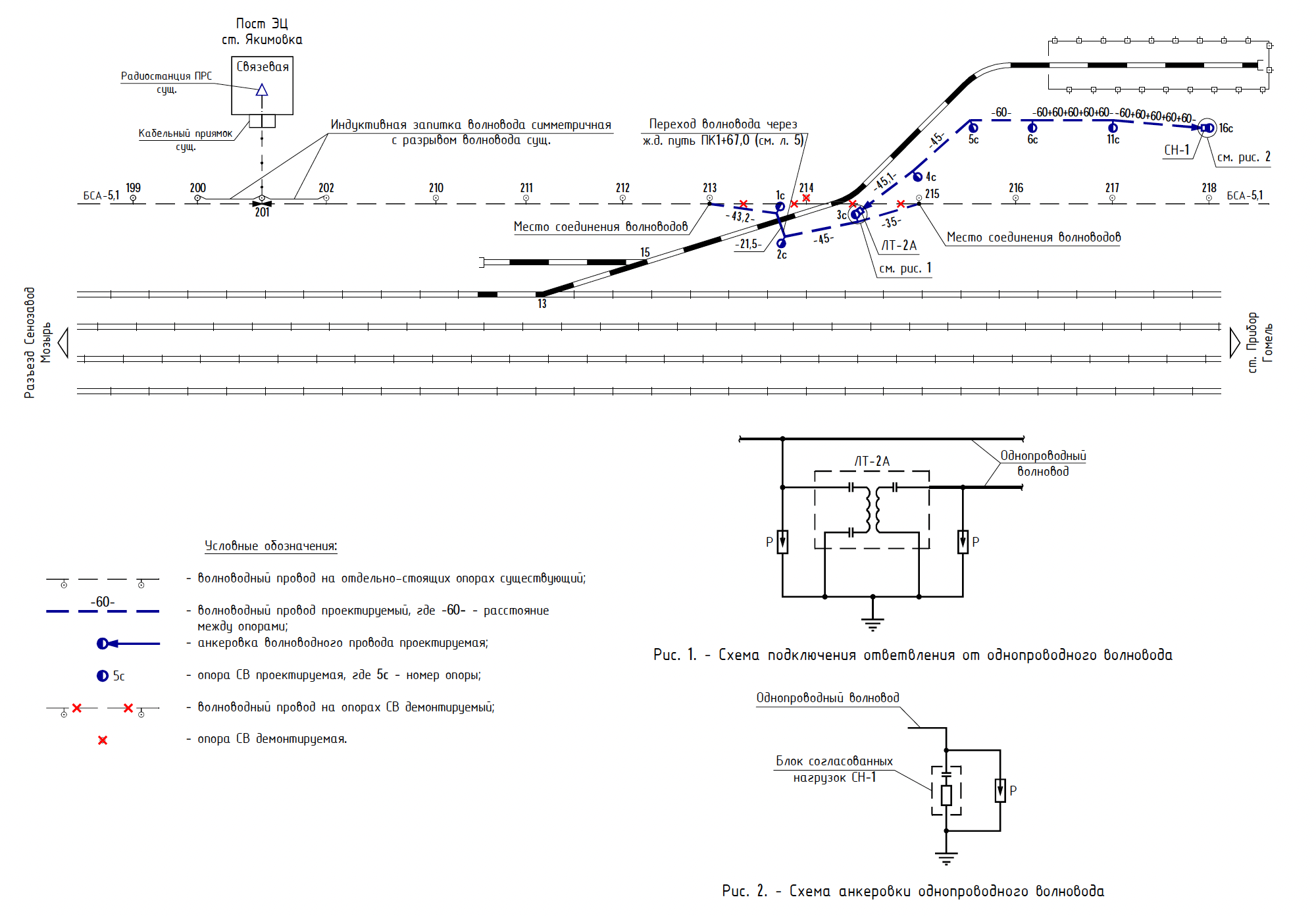
Due to the track construction, the existing train radio communication will need to be rearranged. At the intersection of the new railway line with the waveguide wire line, the project provides for the installation of 935 m of new wire on 16 reinforced concrete poles — 14 ordinary and two elevated. After the equipment is relocated, the radio coverage of the station and the adjacent section should be maintained.
Via shunting radio communication, the station duty officer will coordinate the locomotive crew's work during the delivery and removal of railcars. Train radio communication serves traffic on adjacent block sections, so its existing line will need to be relocated at the construction site. The work will affect the training ground territory and the existing devices of Yakimovka station.
The shunting radio communication section was prepared according to the technical requirements of SO “Belarusian Railway” No. 31-02-03/8090 dated July 10, 2024, and the letter from the Gomel Division No. 74-56-57/3113 dated April 1, 2025. Decisions on connecting the new track to the station communication were developed with the participation of the carrier. The Belarusian Railway is not the customer for the construction.
Loading and Unloading Complex
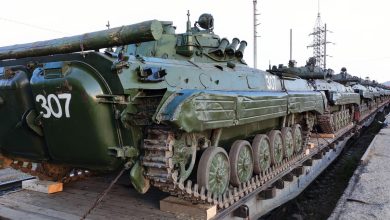
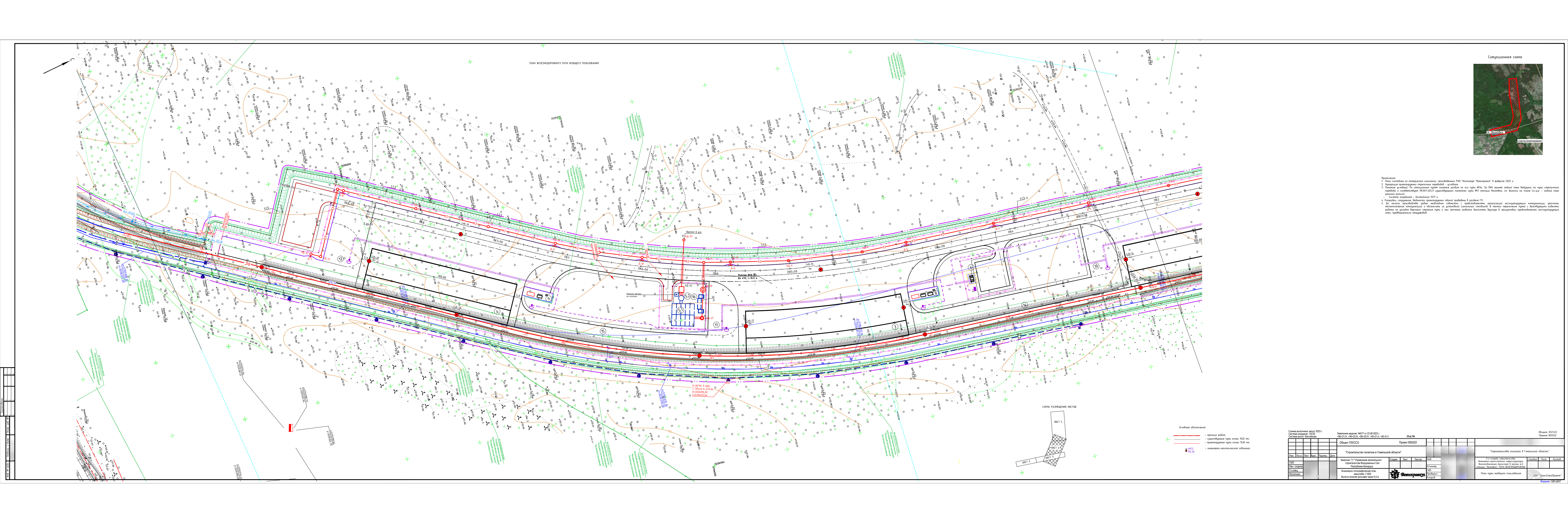
A high freight platform with three side ramps and one end ramp is designed on the training ground territory. The side ramps provide access to the rolling stock along the track, while the end ramp allows wheeled and tracked vehicles to drive on and off flatcars. Adjacent areas are provided for loading, unloading, and temporary storage of goods.
Through the end ramp, self-propelled wheeled and tracked vehicles will be able to sequentially drive off flatcars. The side ramps are designed for working with railcars along the train consist — unloading property and other goods using transshipment equipment. After unloading, equipment, material resources, and support transport can be distributed to separate areas within the fenced territory. The project does not specify what types of goods will arrive at the training ground.
The area of work according to the general plan is about 11.15 ha. Hard surfaces will occupy 43,787 m², of which 8,840 m² is concrete ramp covering. Another approximately 8,000 m² is accounted for by the railway track superstructure.
In addition to the track and ramps, the project includes internal driveways, utility lines, communication networks, two-way yard communications, outdoor lighting, a transformer substation, drainage, and fencing with swing gates totaling approximately 2,025 m. A separate loading and unloading complex with its own track, ramps, driveways, and utility networks is being created on the training ground territory.
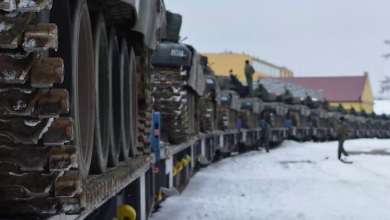
Up to 60 railcars can be accommodated on track No. 3a — a troop train of comparable length or its main part. This will free up Yakimovka station tracks and reduce intermediate shunting on general-use infrastructure.
However, 60 railcars is the capacity of the entire track, not the loading and unloading fronts. The project does not confirm that the entire train consist can be simultaneously placed at the ramps. Depending on the types of railcars and the nature of the cargo, it may be delivered for loading or unloading in parts.
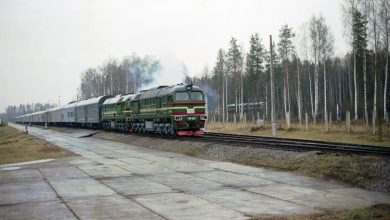
The composition of a troop train depends on the task at hand: it may include flatcars with equipment, boxcars, tank cars, and passenger cars for escort. The number 60 indicates the maximum track capacity; a specific troop train may be shorter. A train consist of this size can be removed from station tracks and placed behind the fence.
Inside the training ground, railcars will spend less time on open station tracks. Such a train consist is harder to observe from outside; it is easier to organize its security, escort of goods, and monitoring of work at the ramps. For a military facility, this is a significant part of the logistics scheme.
Military-Logistical Significance of the Facility
Railways can transport large military units, heavy equipment, and significant volumes of material resources over long distances. After the introduction of track No. 3a, troop trains will be able to be delivered directly to the training ground territory. The infrastructure is suitable for delivering personnel, weapons and military equipment, fuel, ammunition, engineering equipment, and other goods, but the project does not disclose the specific nomenclature of future transports.
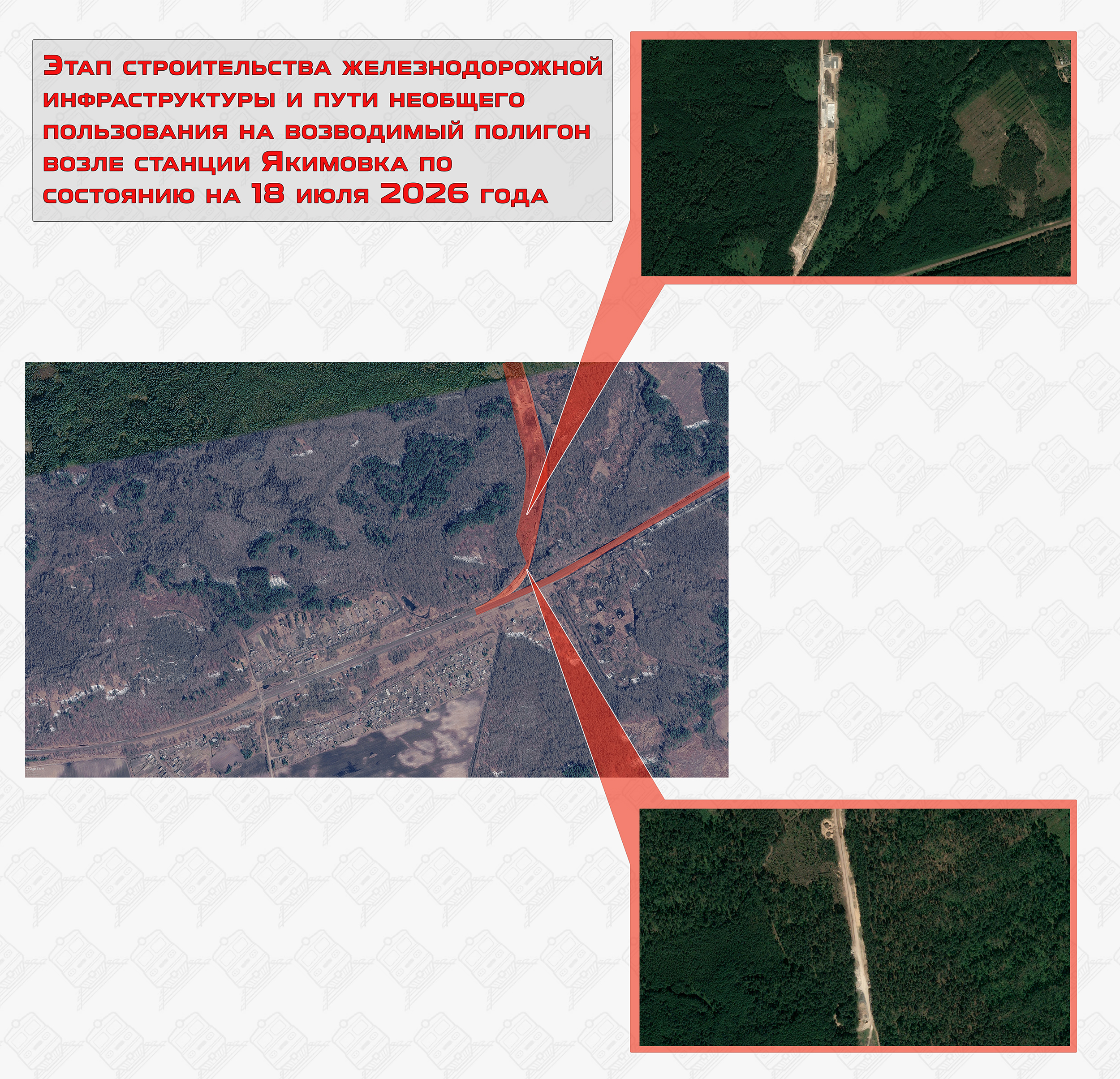
Satellite images from July 18, 2026, confirm that work has already begun. A cleared corridor for the future track is visible in the forest from the connection area to the training ground site, and earthworks are noticeable in the final section. Their location coincides with the route on the project plans.
The construction of the training ground and access track itself does not indicate preparation for offensive actions against Ukraine. But the capabilities of the facility do not change because of this: a track for 60 railcars, a high freight platform, its own communication, and a fenced territory allow for receiving troop trains, unloading them on site, and sending them back without the train consist remaining at the station for a long time.
Work with the troop train will be confined to Yakimovka station. The station receives the train consist, centralized turnouts set the route to track No. 3a, the station duty officer coordinates the locomotive crew's work via shunting radio communication, after which equipment and property are unloaded behind the fence. This scheme can be used for planned supply of the training ground and for rapid buildup of military forces when the situation changes.
The Belarusian Railway is involved in the project already at the construction stage. Turnouts No. 15 and No. 13 are being included in the station's interlocking system, shunting radio communication is being created, and train radio communication is being rearranged. The station's existing devices are being adapted to serve the training ground; after its commissioning, the railway will ensure the delivery and removal of railcars.
After the railway part is commissioned, the training ground will become a reception point for troop trains in the Ukrainian direction. A track for 60 railcars, its own loading and unloading front, communication, and a centralized route from the station will significantly expand capabilities for troop deployment, supply, and rotation. Whatever the official description of the facility, its railway capabilities do not change.
The actual intensity of operation can be judged after the complex is commissioned. This will be indicated by the inclusion of track No. 3a and new turnouts in the station's operational documents, the launch of communication systems, the approval of local instructions, and the first actual deliveries. For now, the documentation only reveals the inherent capabilities. The scope of work and the set of technical devices show that the facility is designed for long-term operation.