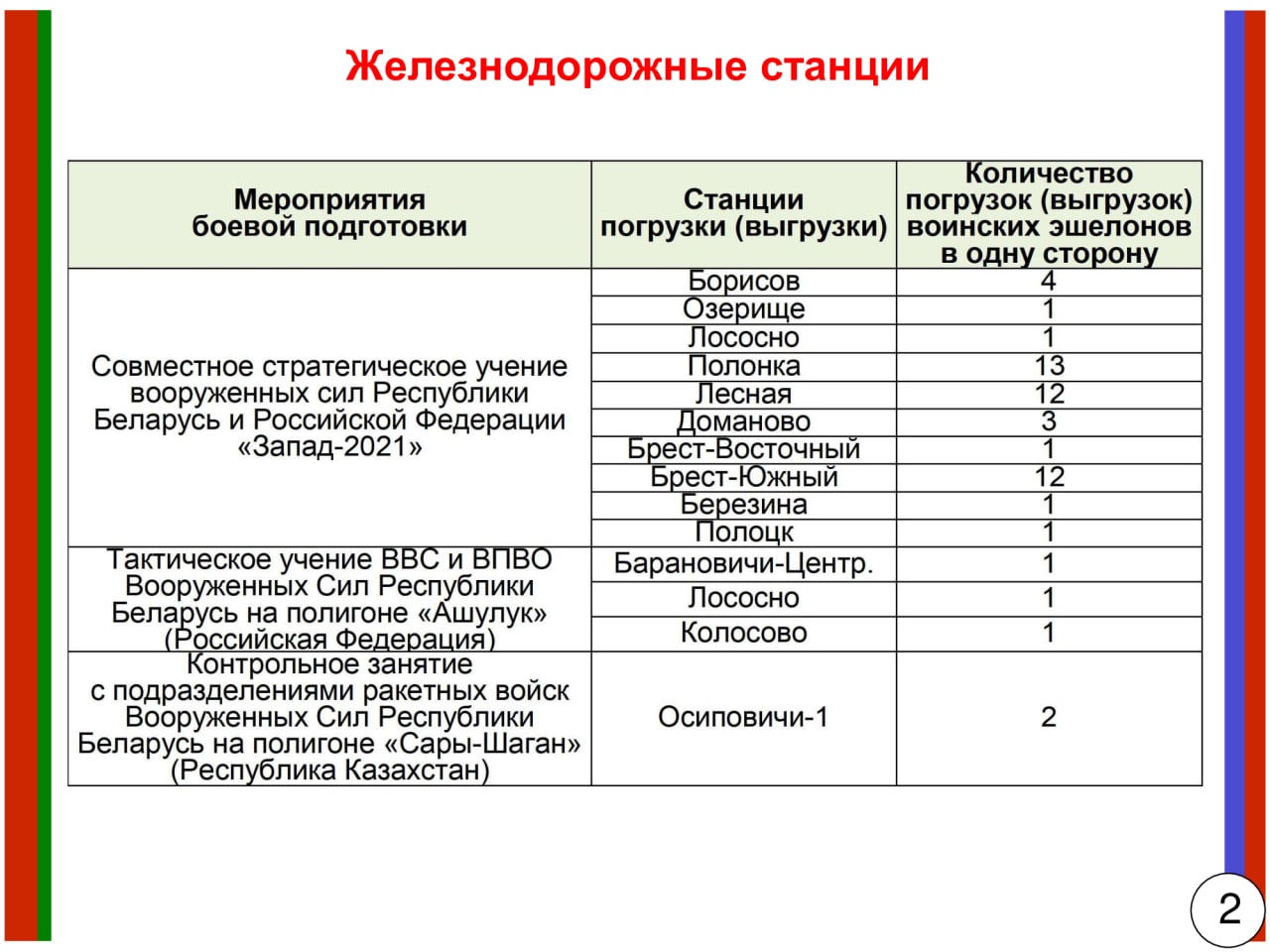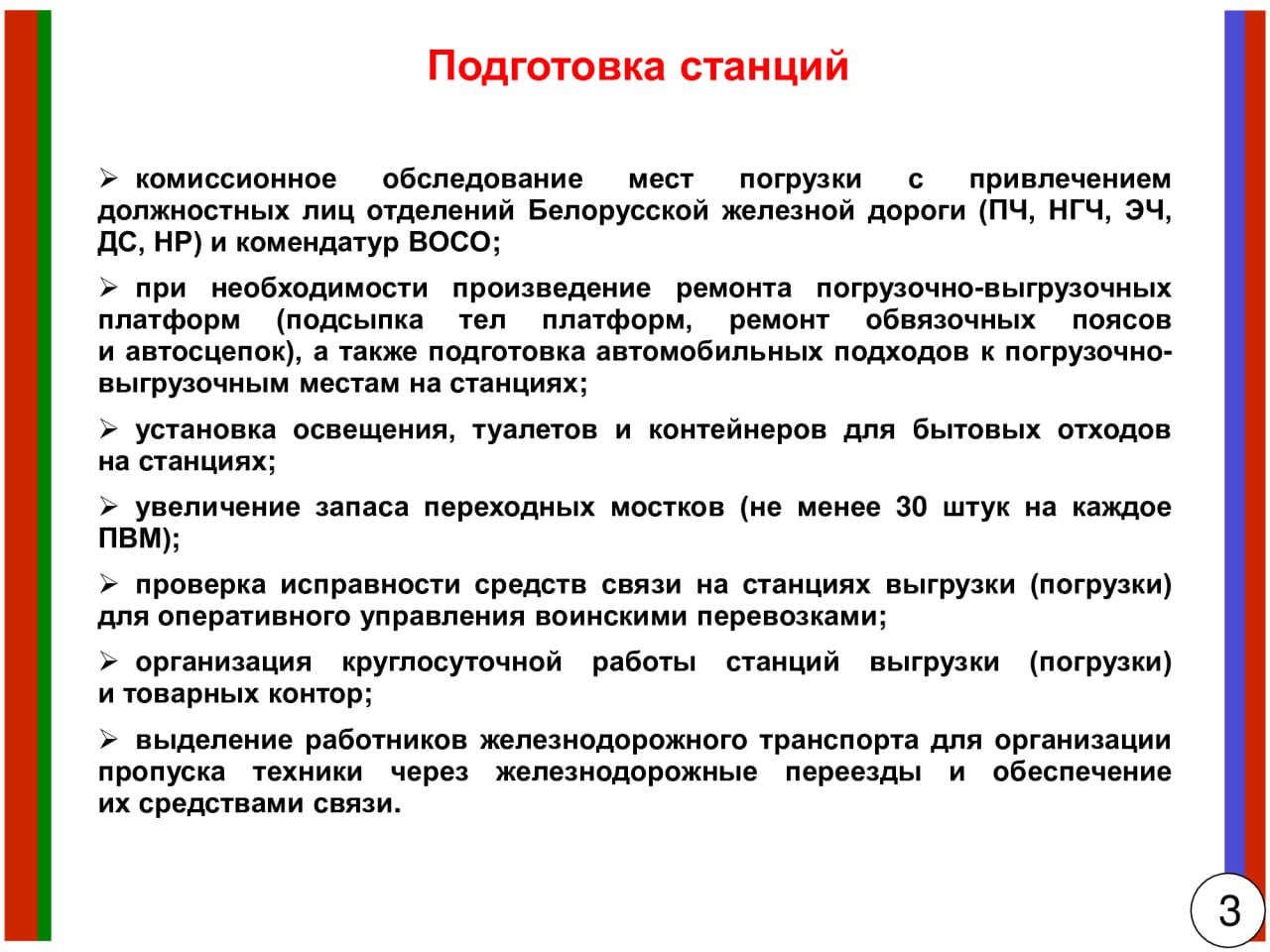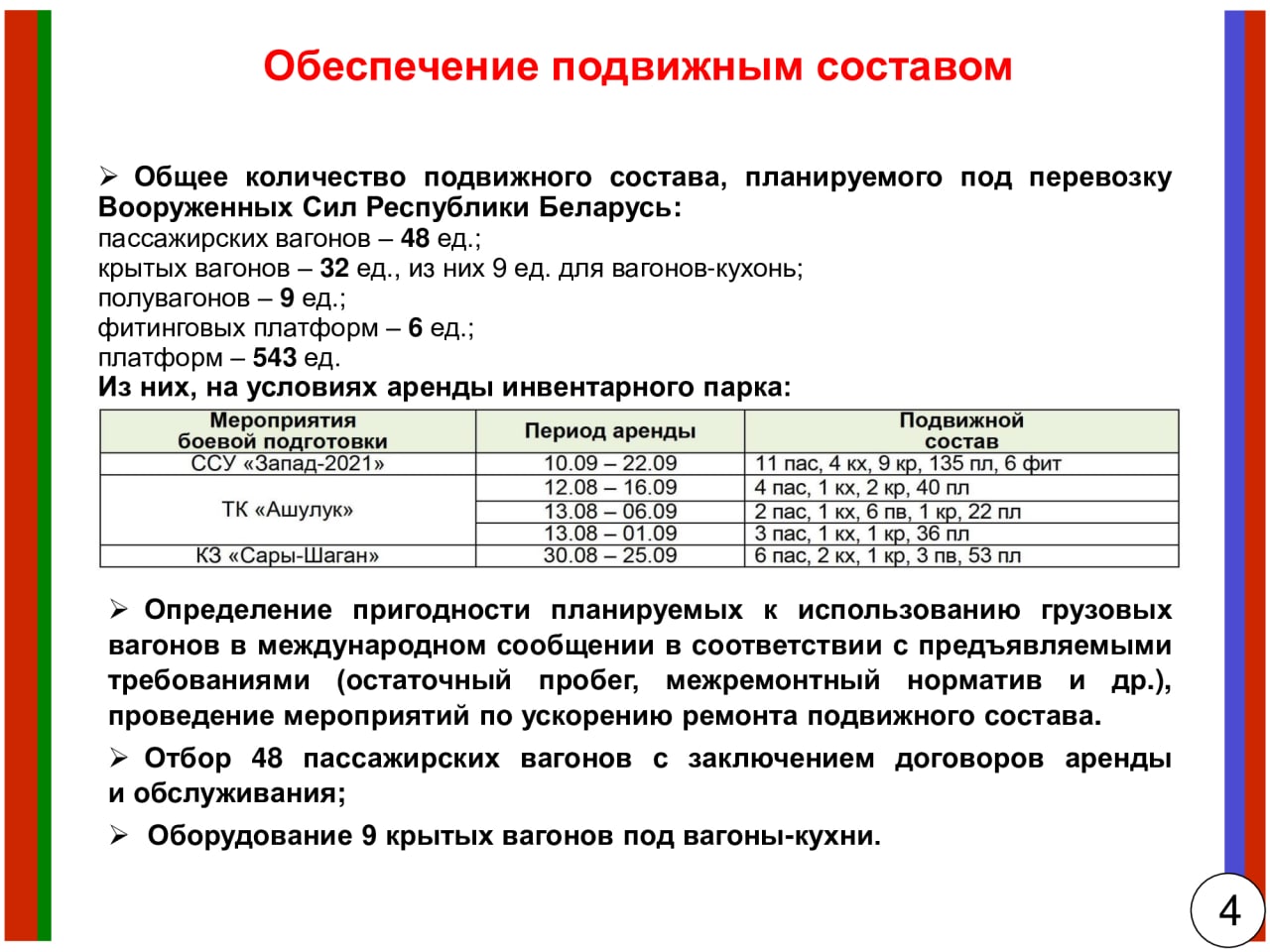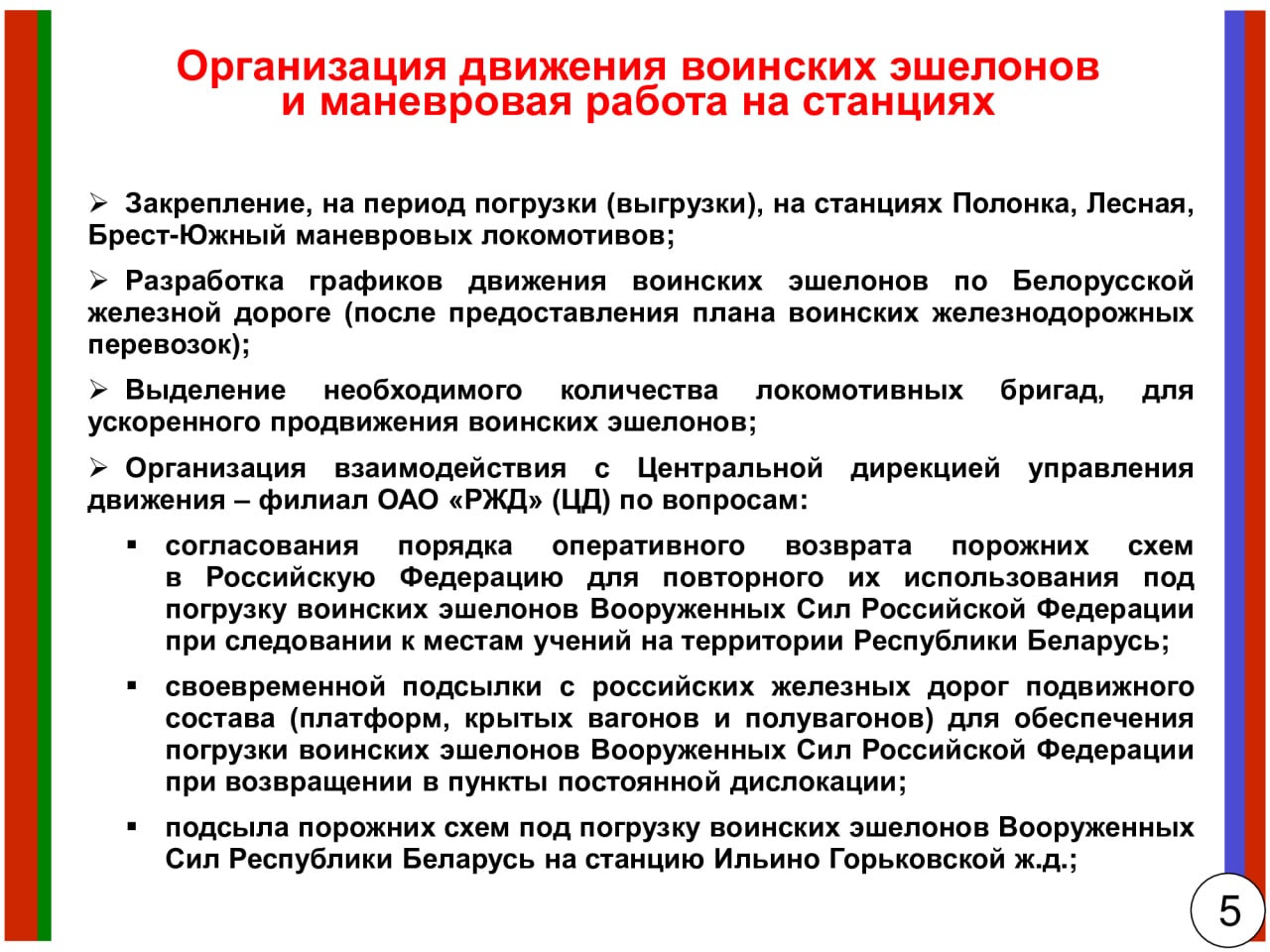
Military transportation

Export of Products from Belarus for Strategic Facilities of the Russian Federation and Import of Russian Armed Forces Equipment into Belarus — Q1 2025

Overview

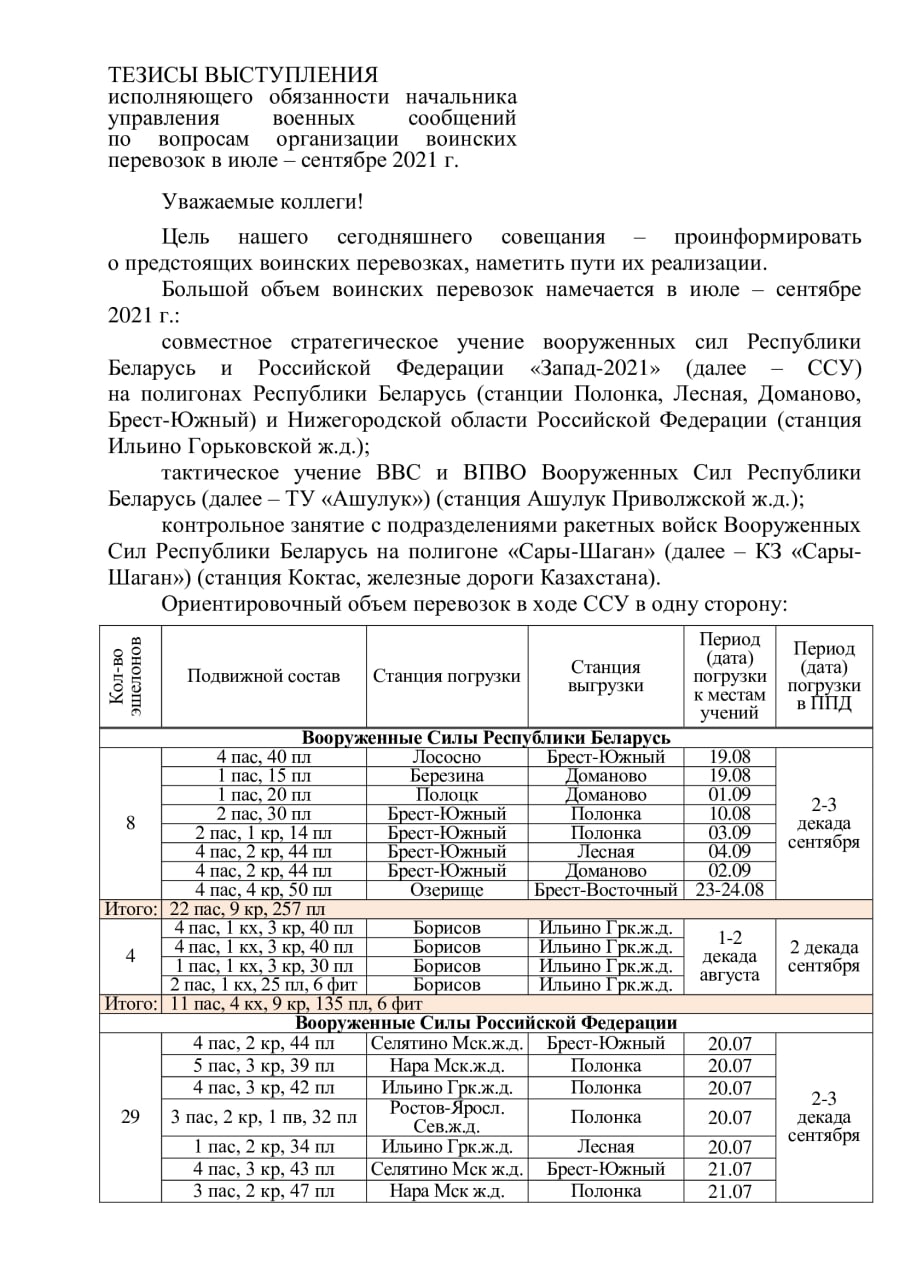
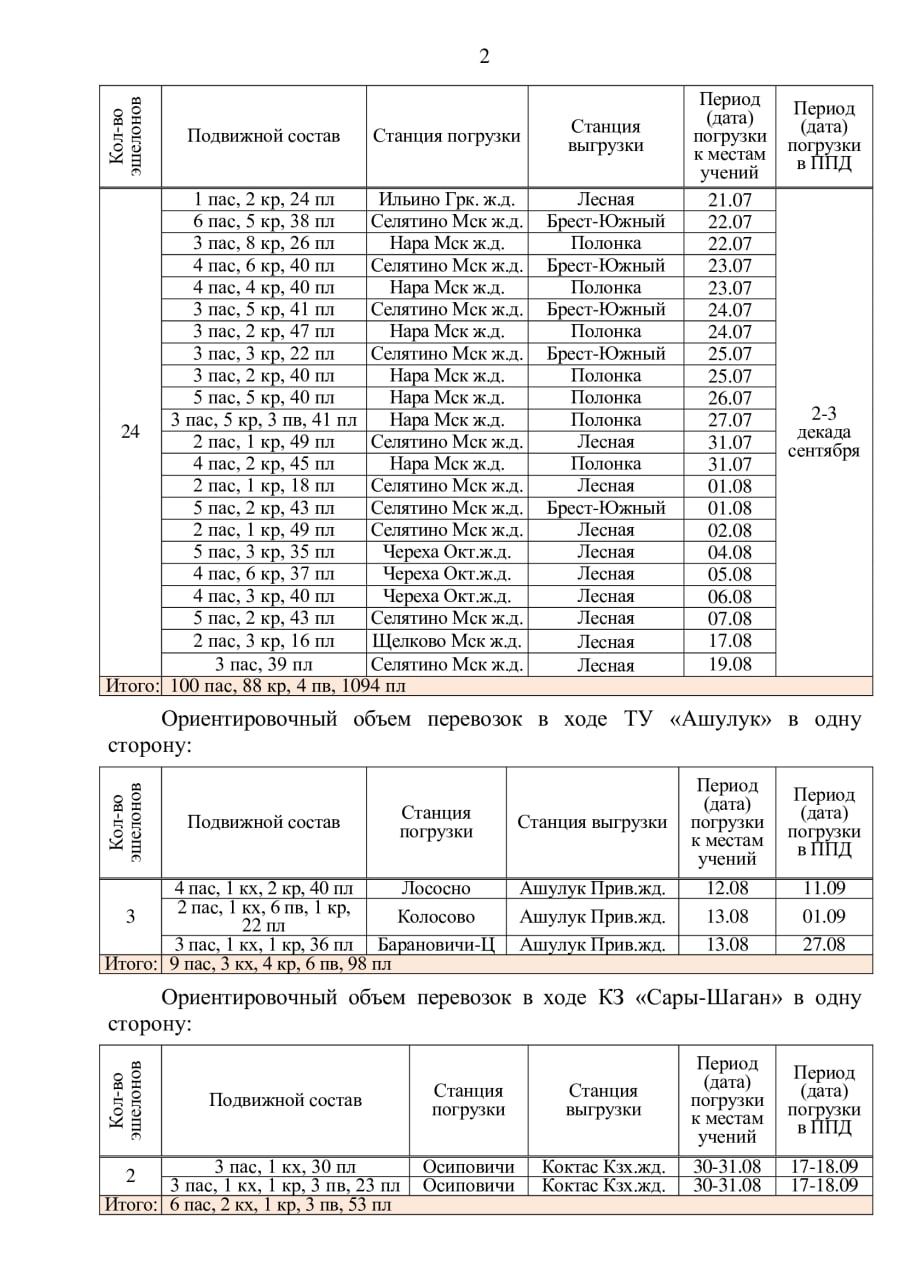
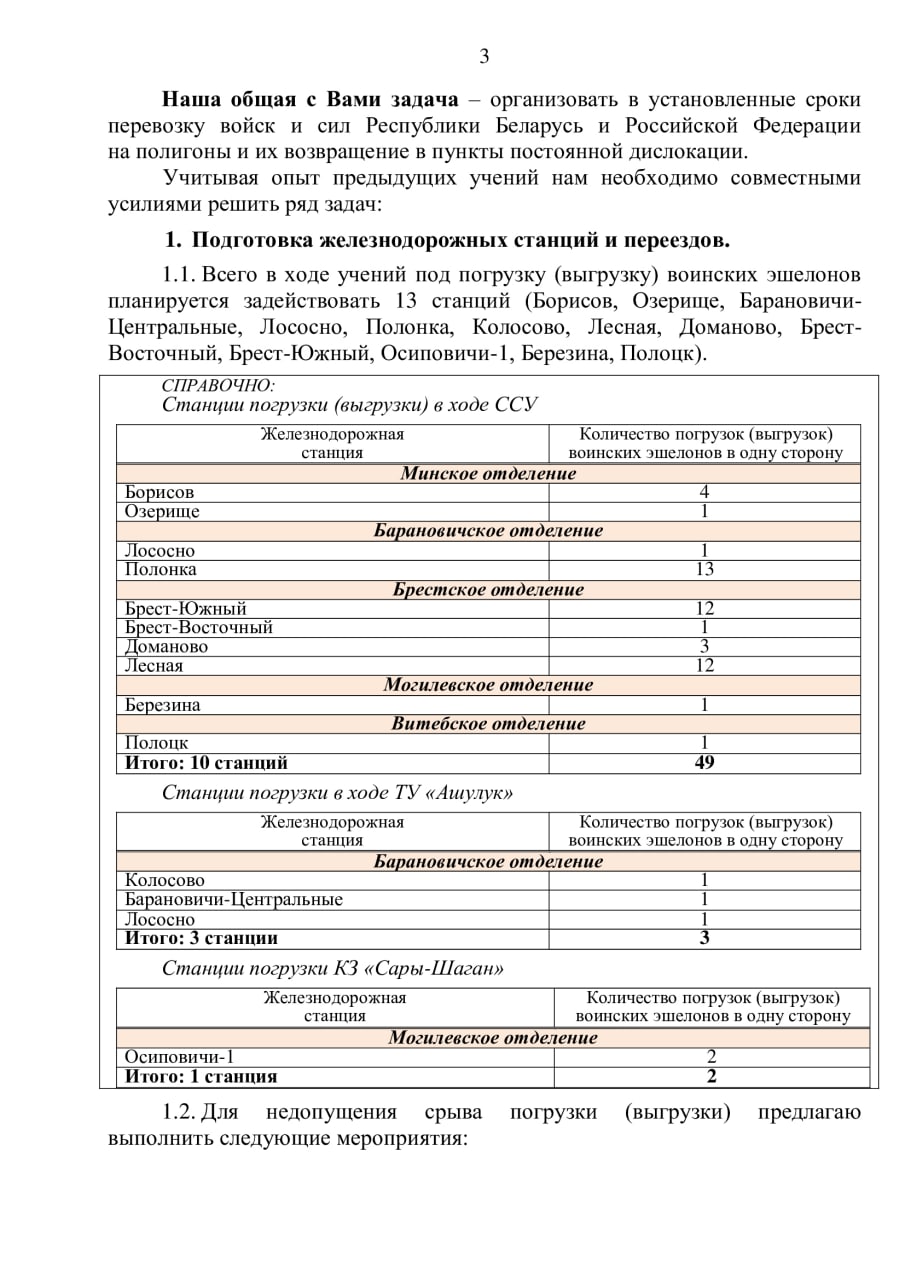
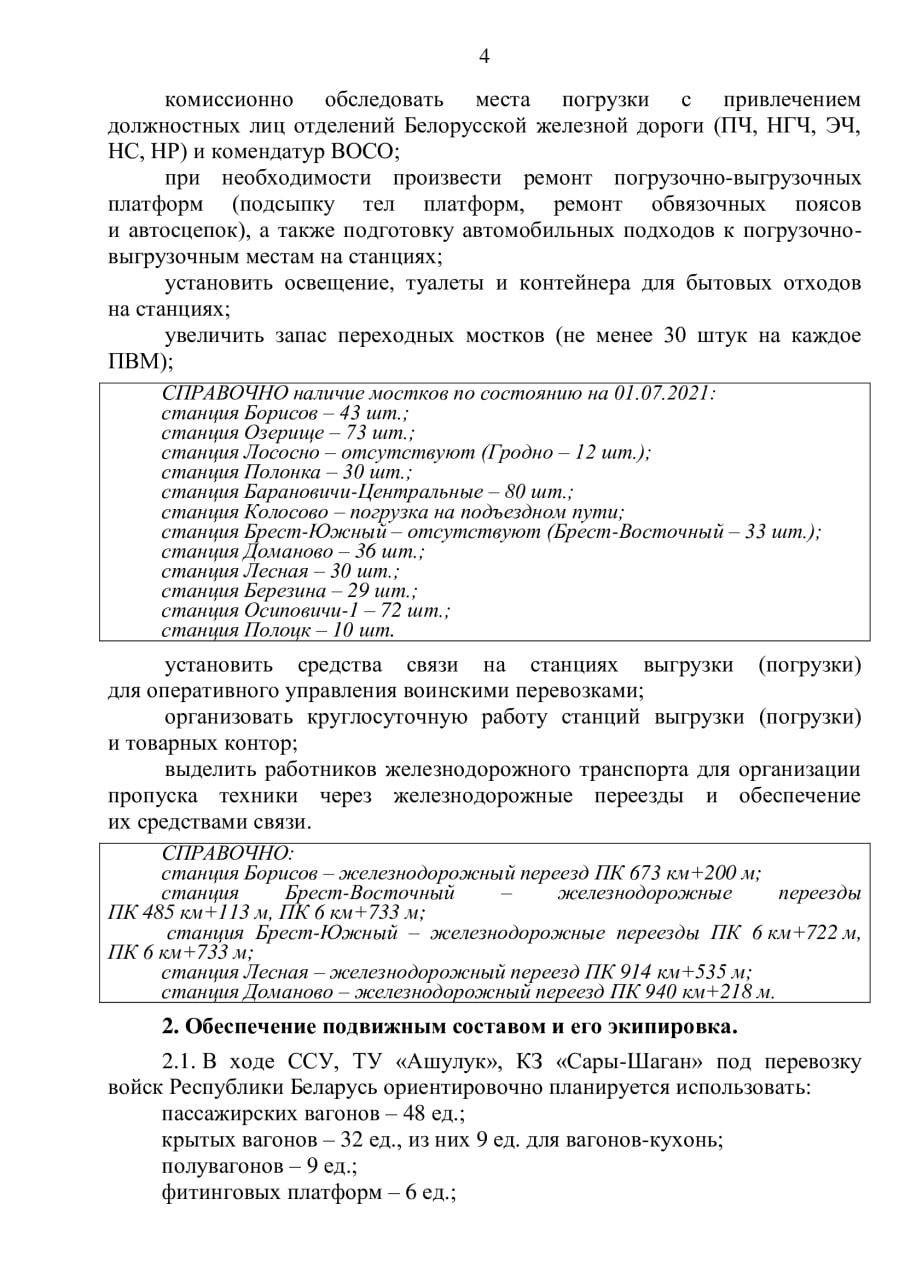
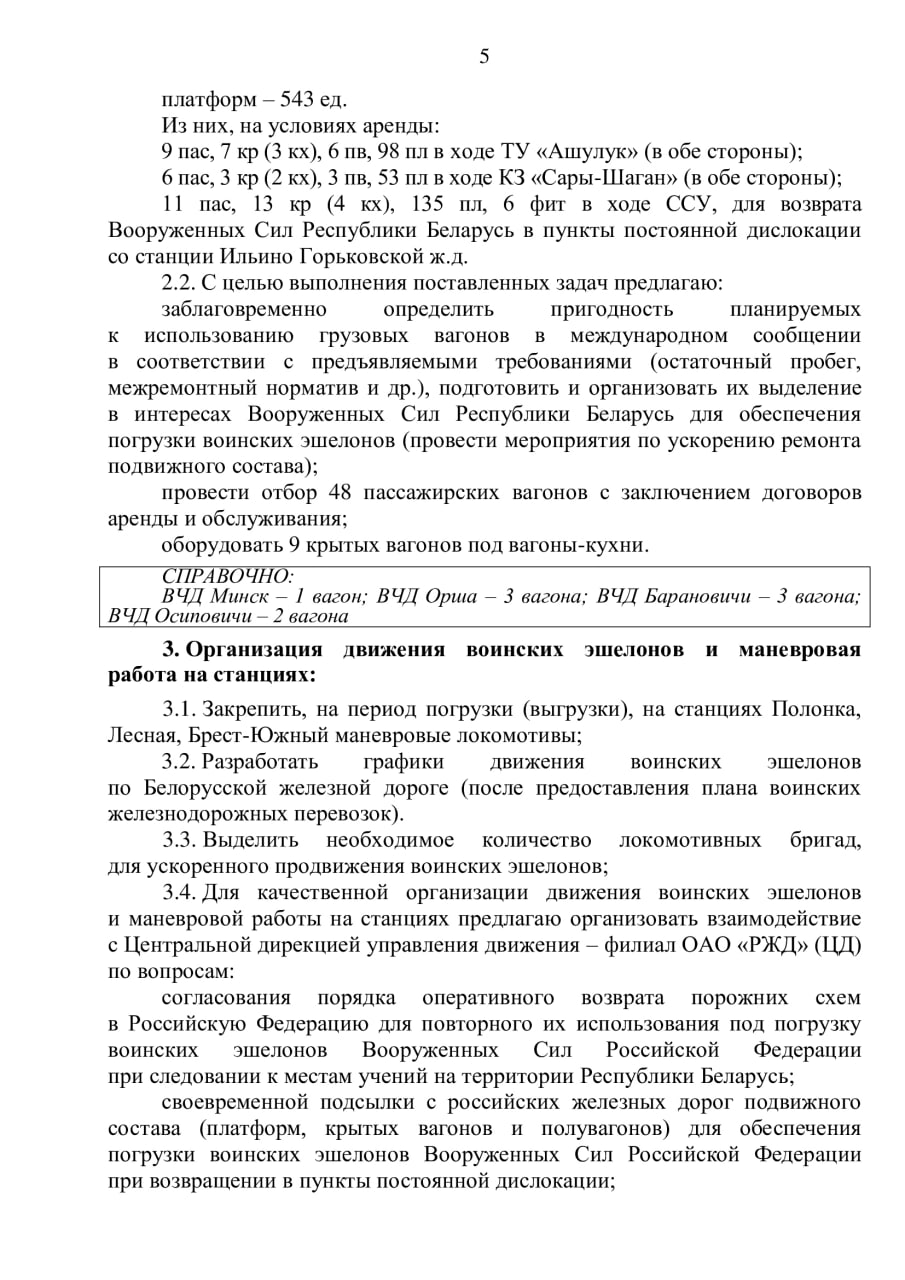
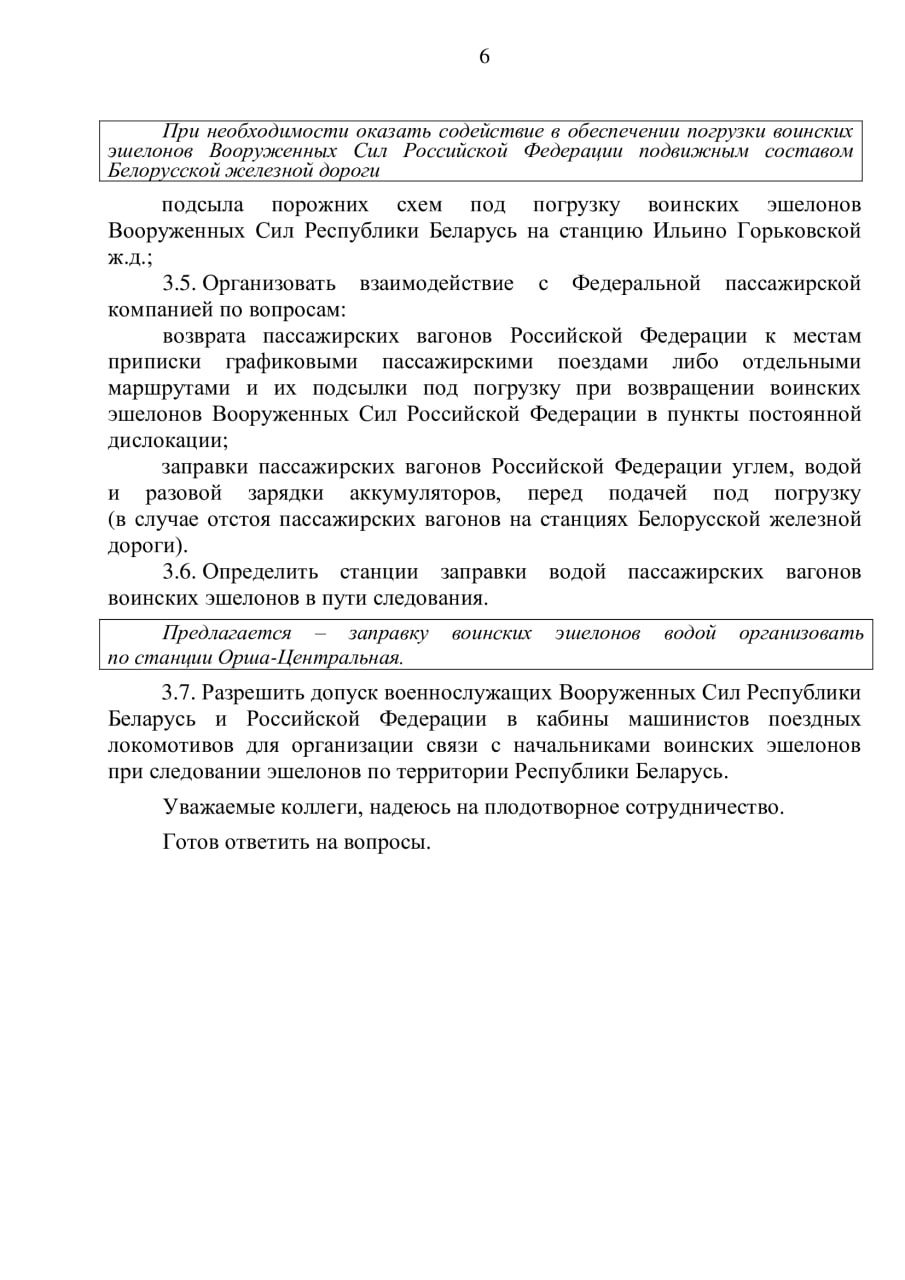
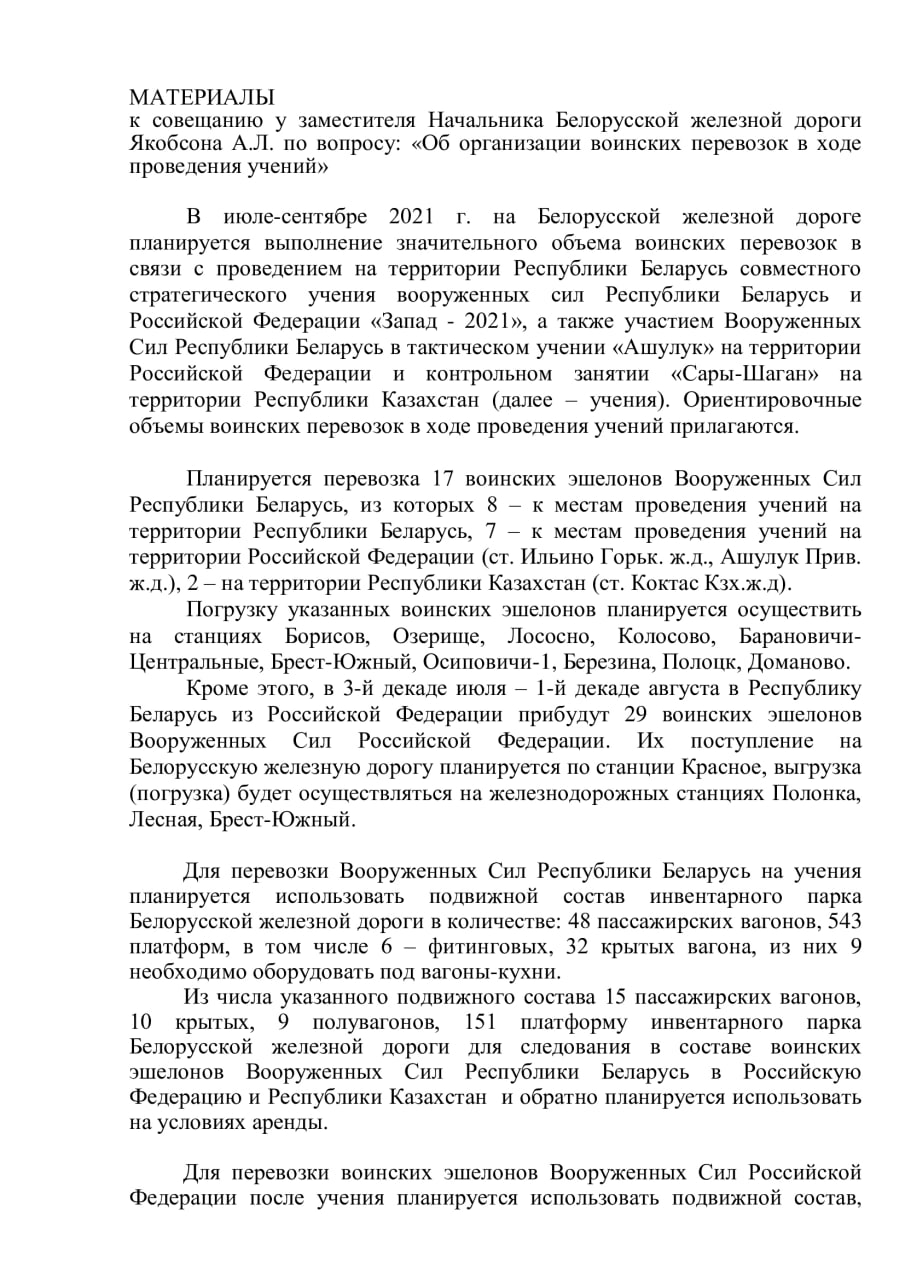
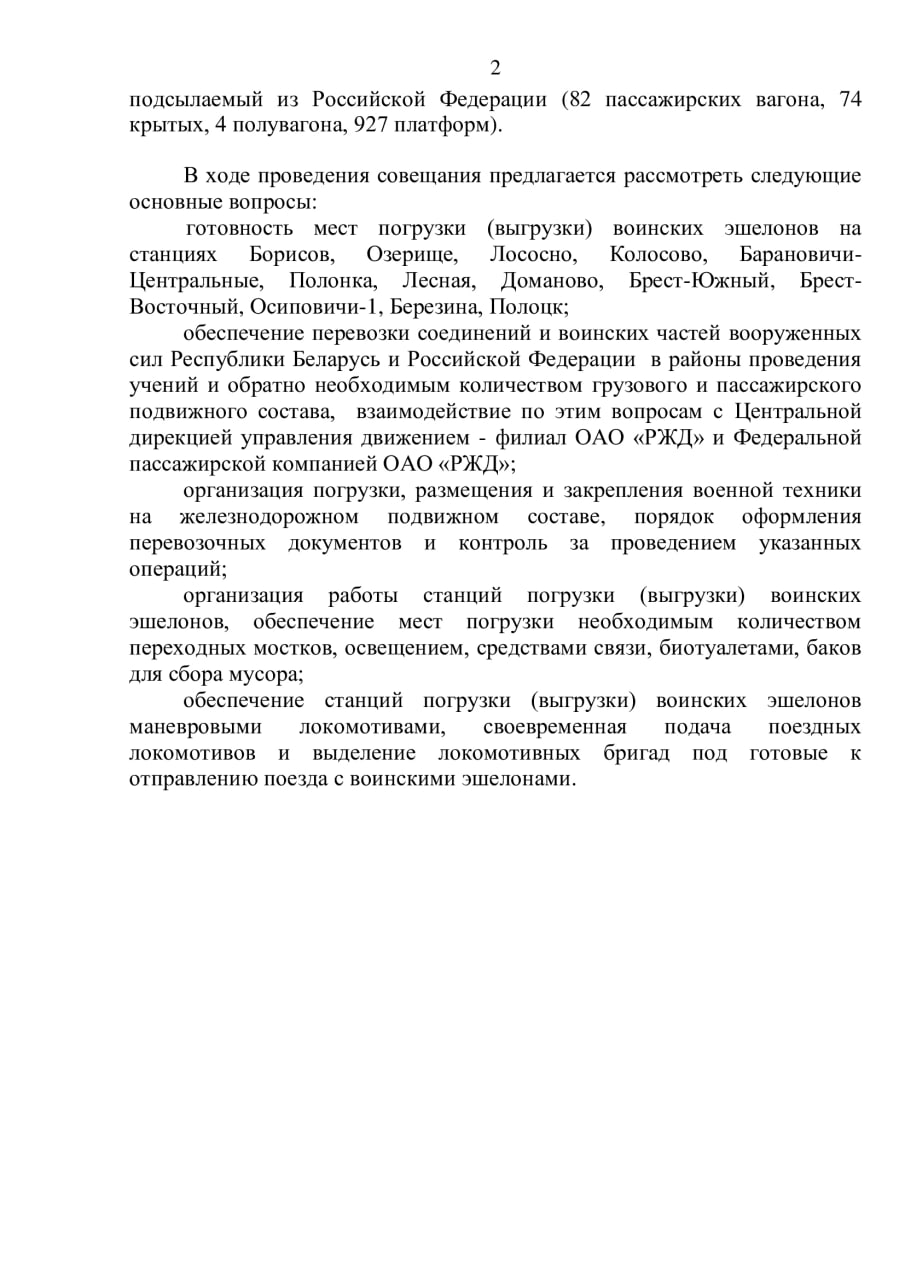
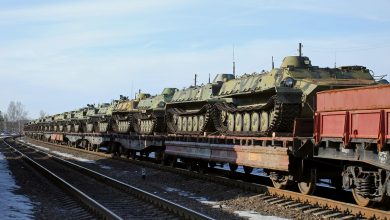
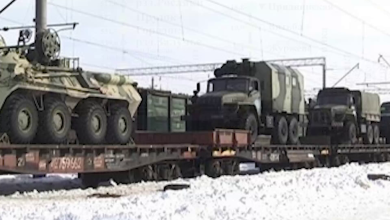
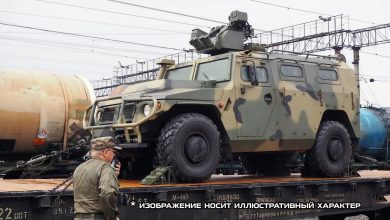
The role of Belarus in general, and the Belarusian Railway (BCh) in particular, in supporting the Russian Armed Forces is becoming increasingly prominent and significant. Defence-related products are regularly dispatched from Belarusian stations towards Russian factories, training grounds, military units, and arsenals.

Railway transport of military cargo demonstrates a steady growth trend, especially against the backdrop of a general decline in transit and commercial transport volumes. In this context, the movement of “strategically important” cargo in the interests of the Russian Ministry of Defence takes on priority significance, often extending beyond economic expediency and transforming into a form of foreign policy and military-logistics “obligation,” prioritized regardless of the associated costs and risks.

The BCh infrastructure is used as a stable transport channel for the supply of equipment, structures, and materials related to the upgrade and deployment of the Russian Armed Forces, including elements (infrastructure) of nuclear weapons.

This material compiles information on the following export-import military transport operations between Belarus and Russia. It includes the following sections:

  • Part One — supplies of MZKT products in Q1 2025;
  • Part Two — supplies of reinforced concrete sleepers for turnouts, carried out to facilities of the Ministry of Defence of the Russian Federation during 2024 and Q1 2025. Specifically, this refers to military units of the Strategic Missile Forces (RVSN), Aerospace Forces (VKS), Navy (VMF), as well as units subordinate to:

the 12th Main Directorate of the Ministry of Defence of the Russian Federation (12 GU MO) — responsible for the storage, maintenance, and operation of Russia's nuclear arsenal;
the Main Missile and Artillery Directorate of the Ministry of Defence of the Russian Federation (GRAU MO) — responsible for the storage, accounting, and supply of all types of weapons and ammunition for the Ground Forces, VKS, and VMF;

  • In conclusion — information on the import of Russian military equipment into Belarus and the supply of fuels and lubricants for the needs of Russian Armed Forces facilities located in the Republic of Belarus — in particular, the 70M6 “Volga” radar station in Baranovichi for the first quarter of 2025.

It should be noted that no supplies of ammunition and weaponry — either from the Russian Federation to the Republic of Belarus or in the opposite direction — were identified during the first quarter of 2025. The main nomenclature of cargo in both directions consisted of equipment, engineering structures, fuels and lubricants, and other material and technical support elements not directly falling under the category of armaments.

1. Supplies of MZKT Products within Russian-Belarusian Military-Technical Cooperation for Q1 2025

This first part of the publication presents data on the volumes of export railway supplies of specialized equipment and machinery produced by the open joint-stock company “Minsk Wheel Tractor Plant” (OJSC “MZKT”) from January to March 2025, as well as information on the cargo structure and recipient enterprises.

In our previous materials dedicated to Belarusian Railway transport volumes, data on MZKT supplies for 9 months and for the entire year 2024 were published. Recall that the total export volume of the enterprise for 2024 amounted to 306 railcars. All supplies were directed to Russian enterprises, the overwhelming majority of which belong to the defence-industrial complex of the Russian Federation.

In total, during the period from January to March 2025, 93 railcars (excluding empty buffer boxcars) loaded with MZKT-produced equipment were dispatched from Shabany station of the Minsk Division (NOD-1) of the BCh to recipients. Of these:

  • 92 flatcars — used directly for transport;
  • 1 boxcar — escort.

The volumetric distribution of cargo types dispatched from Shabany station (according to the Unified Tariff and Statistical Nomenclature of Goods — ETSNG) for the first quarter of 2025 is as follows:

  • Trucks, not otherwise specified (ETSNG code 381072) — 86 railcars.
  • Automobile trailers (ETSNG code 381231) — 5 railcars.
  • Transport equipment, not otherwise specified (ETSNG code 391303) — 1 railcar.
  • Railway cars, transported on their own axles, not otherwise specified (ETSNG code 421034) — 1 railcar.

Below are detailed data on destination stations and final recipients in the Russian Federation for the period January — March 2025.

Period: January-March 2025.
Sender: OJSC “Minsk Wheel Tractor Plant.”
Departure station: Shabany, Minsk Division of BCh.

  1. To St. Petersburg-Sort.-Moskovsky station (Oktyabrskaya Railway), 37 flatcars with cargo: Trucks, not otherwise specified (ETSNG code 381072) were sent to JSC “GOZ Obukhovsky Plant”.
  2. To Perm-I station (Sverdlovsk Railway), 14 flatcars with cargo: Trucks, not otherwise specified (ETSNG code 381072) were sent to JSC “Special Design Bureau”.
  3. To Traktornaya-Tovarnaya station (Privolzhskaya Railway), 13 flatcars with cargo: Trucks, not otherwise specified (ETSNG code 381072) were sent to JSC “Federal Research and Production Center “Titan-Barrikady”.
  4. To Shumerlya station (Gorky Railway), 11 flatcars with cargo: Trucks, not otherwise specified (ETSNG code 381072) were sent to JSC “Shumerlya Plant of Specialized Vehicles” (JSC “ShZSA”).
  5. To Vozhoy station (Gorky Railway), 7 flatcars with cargo: Trucks, not otherwise specified (ETSNG code 381072) were sent to JSC “Izhevsk Electromechanical Plant “Kupol” (JSC “IEMZ “Kupol”).
  6. To Kostarikha station (Gorky Railway), 3 flatcars with cargo: Automobile trailers were sent to JSC “Nizhny Novgorod Television Plant named after V.I. Lenin” (JSC “NITEL”).
  7. To Kostarikha station (Gorky Railway), 2 flatcars with cargo: Automobile trailers were sent to JSC “Nizhny Novgorod Plant of the 70th Anniversary of Victory” (JSC “NZ 70 letiya Pobedy”).
  8. To Mark station (Moscow Railway), 2 flatcars with cargo: Trucks, not otherwise specified (ETSNG code 381072) were sent to PJSC “NPO “Almaz”.
  9. To Fili station (Moscow Railway), 1 flatcar with cargo: Trucks, not otherwise specified (ETSNG code 381072) and 1 boxcar with escort were sent to JSC “M.V. Khrunichev State Research and Production Space Center” (JSC “GKNPTs imeni M.V. Khrunicheva”).
  10. To Ulyanovsk-III station (Kuybyshev Railway), 1 flatcar with cargo: Trucks, not otherwise specified (ETSNG code 381072) was sent to JSC “Ulyanovsk Mechanical Plant” (JSC “UMZ”).
  11. To Syzran-I station (Kuybyshev Railway), 1 flatcar with cargo: Transport equipment, not otherwise specified was sent to JSC “TYAZHMASH”.

Based on the nature of the recipients and the composition of the cargo, MZKT product supplies in the first quarter of 2025 covered a range from MZKT-6923 (6×6) chassis to heavy wheeled platforms MZKT-7930 (8×8), used as part of mobile air defence systems (including S-300PM2, S-400, and S-350) and operational-tactical missile systems.

The presence of MZKT-79221 (16×16) chassis — the main base for the Topol-M and Yars mobile ground-based missile systems — cannot be unequivocally confirmed, however, its supplies are not excluded given the specifics of individual recipients (for example, JSC “Titan-Barrikady”).

Note: The volumetric data on MZKT product supplies presented above are given only in terms of the number of railcars. This is due to the specifics of railway transport of such equipment, as one unit (e.g., a wheeled tractor) may occupy several flatcars during loading, depending on the model, modification, and other characteristics.

2. Supplies of OJSC “Spetszhelezobeton” Products to Russian Ministry of Defence Facilities in 2024-2025

The second part of the publication presents information on export supplies of a specific type of product — reinforced concrete sleepers for turnouts, supplied from Belarus to Russia.

Formally, this type of cargo — “Reinforced concrete sleepers and bearers for turnouts” (ETSNG code 254159) — does not differ from other products manufactured by Belarusian reinforced concrete enterprises and does not represent any exception in their general assortment. However, when considering the geography of recipients and their departmental affiliation, it becomes clear that most of these supplies are addressed not only to civilian railway structures but also to military units, warehouses, and facilities of the Ministry of Defence of the Russian Federation. Among them are units serving nuclear arsenals, strategic missile systems, testing grounds, as well as facilities subordinate to:

  • Strategic Missile Forces (RVSN);
  • 12th Main Directorate of the Ministry of Defence of the Russian Federation (responsible for the storage and maintenance of nuclear weapons);
  • Aerospace Forces (VKS);
  • Navy (VMF);
  • Main Missile and Artillery Directorate of the Ministry of Defence of the Russian Federation (GRAU MO) — responsible for the supply of ammunition and weaponry.

Reference: “Reinforced concrete sleepers and bearers for turnouts” (ETSNG code 254159) is a specialized type of reinforced concrete product used in the construction and upgrade of turnouts on railways. Unlike ordinary sleepers used on straight track sections, these elements are manufactured according to individual parameters for specific turnout schemes and ensure the stability of rolling stock when moving from one track to another.

Such products are used in the most critical sections of track infrastructure — at stations, sidings, technical junctions, within industrial and military facilities. Reinforced concrete bearers and sleepers for turnouts are distinguished by increased strength, precise geometry, and durability. The production of such products requires specialized tooling and compliance with GOSTs or technical specifications (TU) adapted to the norms of the Russian Federation and EAEU countries. For turnouts, a limited set of bearer types is used, tied to turnout brands (R65/1/11, R50/1/9, etc.), taking into account dimensions, fastening schemes, and pads.

According to available data, this is not about episodic shipments, but a systematic logistics scheme, ensuring the functioning, maintenance, and, probably, upgrade of strategically important facilities on the Russian Federation's territory.

The only enterprise-sender from Belarus of this cargo nomenclature to military units of the Ministry of Defence of the Russian Federation is the open joint-stock company “Spetszhelezobeton” (Mikashevichi, Luninets district, Brest region).

The enterprise specializes in the production of precast reinforced concrete and concrete structures, certified both in Belarus and the Russian Federation. Spetszhelezobeton's products have been used in the construction of several significant facilities, including Minsk National Airport, the Volga-Don Shipping Canal, the Belarusian and Novovoronezh NPPs, the Great Stone Industrial Park, as well as facilities of the Belarusian and Russian Railways.

All shipments of products to the Ministry of Defence of the Russian Federation were carried out from Sitnitsa station (Baranovichi Division of BCh, NOD-2).

2.1. Volumes of Spetszhelezobeton supplies to Russian military facilities for the first quarter of 2025:

In the first quarter of 2025, 89 gondola cars loaded with reinforced concrete sleepers for turnouts were dispatched from Belarus to Russian military units.

The total weight of the cargo was approximately 5,518 tonnes, which, at an average train consist tonnage of the Belarusian Railway of 4,000 tonnes, is equivalent to approximately 1.4 train consists. All shipments of this type were carried out in gondola cars, without the use of other types of rolling stock.

Below are detailed data on destination stations and final recipients in the Russian Federation for the period January — March 2025.

Period: January-March 2025.
Cargo: Reinforced concrete sleepers and bearers for turnouts (ETSNG code 254159).
Sender: OJSC “Spetszhelezobeton.”
Departure station: Sitnitsa, Baranovichi Division of BCh.

  1. To Plesetskaya station (Northern Railway), 23 gondola cars, with a total weight of ≈1,426 tonnes, were sent to military unit No. 13991 (First State Test Cosmodrome of the Ministry of Defence of the Russian Federation, ZATO Mirny).

The First State Test Cosmodrome of the Ministry of Defence of the Russian Federation (ZATO Mirny) – the central site for testing intercontinental ballistic missiles (ICBMs) in the interests of the Strategic Missile Forces and Space Forces. It conducts flight testing of new types of strategic weaponry, including Topol-M, Yars, Avangard complexes, and prospective ICBMs. It is also used for launching military satellites and dual-purpose spacecraft. Subordinate to the 33rd Research Institute of the Ministry of Defence of the Russian Federation.

  1. To Olenegorsk station (Oktyabrskaya Railway), 9 gondola cars, with a total weight of 558 tonnes, were sent to military unit No. 62834 (Central Storage Facility for Nuclear Ammunition for the Navy and Air Force of the Russian Federation. Olenegorsk-2, Murmansk region).

* Central Storage Facility for Nuclear Ammunition of the Navy and VKS of the Russian Federation (Olenegorsk-2) – a special regime facility under the control of the 12th Main Directorate of the Ministry of Defence of the Russian Federation. It provides long-term storage and maintenance of nuclear warheads for aviation and the fleet. A key element of the strategic triad.

  1. To Kozulka station (Krasnoyarsk Railway), 7 gondola cars, with a total weight of ≈434 tonnes, were sent to military unit No. 54630 (2544th Central Tank Reserve Base).

* 2544th Central Tank Reserve Base – A large long-term storage facility for armored vehicles. Activated in large-scale mobilization scenarios. Controlled by the Main Armored Directorate of the Ministry of Defence of the Russian Federation.

  1. To Perevoz station (East Siberian Railway), 7 gondola cars, with a total weight of ≈434 tonnes, were sent to military unit No. 75226 (1215th Central Artillery Ammunition Base).

* 1215th Central Artillery Ammunition Base – a logistics support facility. Storage and distribution of ammunition, including for artillery, MLRS, and tactical systems. Part of the GRAU MO of the Russian Federation vertical.

  1. To Kapustin Yar station (Privolzhskaya Railway), 7 gondola cars, with a total weight of ≈434 tonnes, were sent to military unit No. 15644 (4th State Central Test Range of the Russian Federation).

* 4th State Central Test Range of the Ministry of Defence of the Russian Federation (Kapustin Yar) – one of Russia's largest training grounds. Used for testing OTRK, SAM systems, strategic and operational missiles. The basic infrastructure of the Ministry of Defence of the Russian Federation for accepting new armaments.

  1. To Kutuzovo-Novoye station (Kaliningrad Railway), 7 gondola cars, with a total weight of ≈434 tonnes, were sent to military unit No. 51280 (Baltic Fleet Command of the Russian Navy).

* Baltic Fleet Command (Kaliningrad region) – a strategic command post and logistics hub for the Russian naval group in the Baltic. Responsible for managing fleet forces, including missile and aviation units.

  1. To Patrikeevo station (Kuybyshev Railway), 6 gondola cars, with a total weight of ≈372 tonnes, were sent to military unit No. 58661-BD (12th Arsenal for Storage of Aviation Munitions of the Russian Air Force).

* 12th Arsenal of Aviation Munitions of the Russian Air Force – a warehouse and arsenal for aviation weaponry, including guided, cruise, and special munitions. Subordinate to the VKS and GRAU MO of the Russian Federation structures. Military unit No. 58661-BD is part of the 1062nd Center for Material and Technical Support (1062 CMTS).

  1. To Mekenziyevy Gory station (Crimean Railway), 6 gondola cars, with a total weight of ≈372 tonnes, were sent to military unit No. 63876 (758th Center for Material and Technical Support of the Black Sea Fleet of the Russian Federation).

* 758th Center for Material and Technical Support of the Black Sea Fleet – a fleet support facility in Sevastopol. Includes warehouses, transshipment bases, and technical supply services. One of the largest logistics hubs of the Russian Navy.

  1. To Neya station (Northern Railway), 4 gondola cars, with a total weight of ≈248 tonnes, were sent to military unit No. 55486 (100th Arsenal of the Main Missile and Artillery Directorate of the Ministry of Defence of the Russian Federation).

* 100th Arsenal of the GRAU MO of the Russian Federation – provides long-term storage and accounting of missile and artillery armaments. Supports ammunition for the Ground Forces, Airborne Forces, VKS.

  1. To Severodvinsk station (Northern Railway), 3 gondola cars, with a total weight of ≈186 tonnes, were sent to military unit No. 09703 (45th Central Naval Test Range of the Ministry of Defence of the Russian Federation).

* 45th Central Naval Test Range of the Ministry of Defence of the Russian Federation (Severodvinsk) – a fleet testing complex. Marine cruise and ballistic missiles, including sea-based ones, are tested at the training ground.

  1. To Rzhanitsa station (Moscow Railway), 3 gondola cars, with a total weight of ≈186 tonnes, were sent to military unit No. 42685 (365th “S” facility of the 12th Main Directorate of the Ministry of Defence of the Russian Federation, Bryansk-18).

* 365th “S” facility (Bryansk-18) – a restricted facility of the 12th Main Directorate of the Ministry of Defence of the Russian Federation, intended for the storage, reception, and maintenance of nuclear munitions — primarily tactical. Part of the 12 GU MO special storage network.

  1. To Slagovishchi station (Moscow Railway), 2 gondola cars, with a total weight of ≈124 tonnes, were sent to military unit No. 54055 (28th Guards Missile Division of the Ministry of Defence of the Russian Federation, Kozelsk Missile Formation).

* 28th Guards Missile Division (Kozelsk Missile Formation) – one of the oldest and most combat-ready formations of the Strategic Missile Forces of the Russian Federation. Deployed in the Kaluga region, near the city of Kozelsk (ZATO). The division is armed with RS-24 Yars silo-based missile systems, equipped with ICBMs with multiple independently targetable re-entry vehicles. This is the first RVSN formation to receive Yars in a silo version as part of the upgrade of the strategic forces grouping. The 28th Division is part of the 27th Guards Missile Army and maintains round-the-clock combat duty. It is among the facilities ensuring Russia's constant nuclear readiness. It includes regiments equipped with autonomous control systems, highly protected command posts, and deeply echeloned engineering infrastructure.

  1. To Georgievsk station (North Caucasus Railway), 2 gondola cars, with a total weight of ≈124 tonnes, were sent to military unit No. 98539 (8th Separate Railway Bridge Battalion of the Ministry of Defence of the Russian Federation).

* 8th Separate Railway Bridge Battalion – a unit of the Railway Troops of the Ministry of Defence of the Russian Federation. Engaged in the construction and restoration of bridges and tracks in strategic areas.

  1. To Betonnaya station (Privolzhskaya Railway), 1 gondola car, with a total weight of ≈62 tonnes, was sent to military unit No. 51473 (37th Separate Railway Brigade of the Ministry of Defence of the Russian Federation).

* 37th Separate Railway Brigade of the Ministry of Defence of the Russian Federation – a multifunctional engineering-railway unit. Responsible for the maintenance, deployment, and repair of military railway infrastructure.

  1. To Chkalovskaya station (Moscow Railway), 1 gondola car, with a total weight of ≈62 tonnes, was sent to military unit No. 42829 (8th Special Purpose Aviation Division of the Russian Aerospace Forces).

* 8th Special Purpose Aviation Division of the Russian Aerospace Forces (Chkalovsky airfield) – a specialized formation of transport aviation of the Russian Aerospace Forces. It carries out the transportation of personnel, equipment, and cargo in the interests of the Ministry of Defence of the Russian Federation, and also performs tasks to ensure high-priority flights within the framework of government, military, and special air transport.

  1. To Cherepovets-I station (Northern Railway), 1 gondola car, with a total weight of ≈62 tonnes, was sent to military unit No. 55443-60 (a unit of the 1060th Red Banner Center for Material and Technical Support (CMTS) of the Ministry of Defence of the Russian Federation).

* Military unit No. 55443-60 – a unit of the 1060th Center for Material and Technical Support of the Ministry of Defence of the Russian Federation (Cherepovets), one of the rear logistics hubs of the CMTS. Responsible for the distribution and storage of material and technical support in the northwestern direction.

Thus, the volume of supplies of reinforced concrete sleepers for turnouts in the first quarter of 2025 has already amounted to more than half of the total volume of similar transport operations carried out throughout 2024. This indicates a significant increase in the intensity of supplies this year.

2.2. Volumes of Spetszhelezobeton supplies to Russian military facilities for 2024:

During 2024, 149 gondola cars of products manufactured by OJSC “Spetszhelezobeton” were dispatched from Sitnitsa station (BCh) to military facilities and units of the Ministry of Defence of the Russian Federation. For all shipments, as in 2025, exclusively gondola car type rolling stock was used.

The total mass of transported products amounted to approximately 9,238 tonnes, which is equivalent to just over 2.3 average train consists.

Below are detailed data on Spetszhelezobeton's export shipments to the Russian Federation for 2024, indicating final destinations and recipients:

Period: 2024.
Cargo: Reinforced concrete sleepers and bearers for turnouts (ETSNG code 254159).
Sender: OJSC “Spetszhelezobeton.”
Departure station: Sitnitsa, Baranovichi Division of BCh.

  1. To Plesetskaya station (Northern Railway), 26 gondola cars, with a total weight of ≈1,612 tonnes, were sent to military unit No. 13991 (First State Test Cosmodrome of the Ministry of Defence of the Russian Federation, ZATO Mirny).

* The First State Test Cosmodrome of the Ministry of Defence of the Russian Federation (ZATO Mirny) – the central site for testing intercontinental ballistic missiles (ICBMs) in the interests of the Strategic Missile Forces and Space Forces. It conducts flight testing of new types of strategic weaponry, including Topol-M, Yars, Avangard complexes, and prospective ICBMs. It is also used for launching military satellites and dual-purpose spacecraft. Subordinate to the 33rd Research Institute of the Ministry of Defence of the Russian Federation.

  1. To Torzhok station (Oktyabrskaya Railway), 19 gondola cars, with a total weight of ≈1,178 tonnes, were sent to military unit No. 42753 (Railway Troops).

* Railway Troops of the Ministry of Defence of the Russian Federation (Torzhok, military unit 42753) – a military engineering formation involved in the construction and restoration of railway infrastructure. Used in the deployment and supply of troops, including strategic facilities.

  1. To Kedrovka station (Sverdlovsk Railway), 13 gondola cars, with a total weight of ≈806 tonnes, were sent to military unit No. 58661-48 (70th Arsenal of the Main Missile and Artillery Directorate of the Ministry of Defence of the Russian Federation).

* 70th Arsenal of the Main Missile and Artillery Directorate of the Ministry of Defence of the Russian Federation – a large ammunition storage facility, including guided munitions. Provides supplies to ground and missile-artillery units, is part of the GRAU MO of the Russian Federation structure and the 1062nd Center for Material and Technical Support (1062 CMTS).

  1. To Sapernaya station (Oktyabrskaya Railway), 8 gondola cars, with a total weight of ≈496 tonnes, were sent to military unit No. 55237 (Central Engineering Base of the Ministry of Defence of the Russian Federation).

* Central Engineering Base of the Ministry of Defence of the Russian Federation (military unit 55237) – a centralized storage facility for engineering equipment. Serves engineering troops units, including bridge, sapper, and repair units.

  1. To Yedrovo station (Oktyabrskaya Railway), 8 gondola cars, with a total weight of ≈496 tonnes, were sent to military unit No. 14245 (7th Guards Missile Division, ZATO Ozerny).

* 7th Guards Missile Division of the Strategic Missile Forces – one of the oldest and most combat-ready formations of the Strategic Missile Forces of Russia. The division was formed in the 1960s, is based in ZATO Ozerny (Tver region), and is part of the 27th Missile Army of the Strategic Missile Forces. Until the 2010s, the division operated RT-2PM Topol mobile ground-based missile systems (15Zh58), but as part of the upgrade, the division was completely re-equipped with the silo-based version of the RS-24 Yars intercontinental ballistic missiles. Currently, the formation has exclusively silo launchers. The facility has upgraded infrastructure, including protected command posts, engineering and security complexes, communication lines, and short-range air defence systems.

  1. To Surok station (Gorky Railway), 7 gondola cars, with a total weight of ≈434 tonnes, were sent to military unit No. 58661-BK (Technical Repair Base of the Russian Navy).

* Technical Repair Base of the Russian Navy (military unit 58661-BK) – a base for servicing and storing fleet equipment and armaments. Performs repairs and routine maintenance on naval weapon systems. Part of the 1062nd Center for Material and Technical Support (1062 CMTS).

  1. To Novoduginskaya station (Moscow Railway), 6 gondola cars, with a total weight of ≈372 tonnes, were sent to military unit No. 22226 (2490th Central Base of Technical Equipment of the Ministry of Defence of the Russian Federation).

* 2490th Central Base of Technical Equipment of the Ministry of Defence of the Russian Federation – a logistics facility of the Ministry of Defence of the Russian Federation, located in the Smolensk region. Carries out centralized storage and distribution of technical equipment, including special-purpose equipment. Presumably participates in providing logistics for special regime facilities, including those belonging to the 12 GU MO.

  1. To Kuzhenkino station (Oktyabrskaya Railway), 5 gondola cars, with a total weight of ≈310 tonnes, were sent to military unit No. 55443-TD (arsenal of the Main Missile and Artillery Directorate of the Ministry of Defence of the Russian Federation).

* Arsenal of the GRAU MO of the Russian Federation (military unit 55443-TD) – a storage facility for artillery, missile, and small arms ammunition. Serves arsenal infrastructure in the interests of the Ground Forces and VKS. Part of the 1060th Center for Material and Technical Support (1060 CMTS).

  1. To Kamarchaga station (Krasnoyarsk Railway), 5 gondola cars, with a total weight of ≈310 tonnes, were sent to military unit No. 58661-AI (storage department (of material and technical means of the fuel service, isolated)).

* Fuel and Lubricant Storage Department of the Ministry of Defence of the Russian Federation (military unit 58661-AI) – an isolated unit of the fuel service. Responsible for reserves of diesel fuel, kerosene, oils. Used in supplying front-line bases. Part of the 1062nd Center for Material and Technical Support (1062 CMTS).

  1. To Sulemka station (Krasnoyarsk Railway), 5 gondola cars, with a total weight of ≈310 tonnes, were sent to military unit No. 58661 (Warehouse of Aviation Armaments and Munitions of the Russian Aerospace Forces).

* Warehouse of Aviation Armaments of the Russian Aerospace Forces (military unit 58661) – the central warehouse for aviation ammunition. Supplies VKS bases with bombs, missiles, cluster munitions. Part of the 1062nd Center for Material and Technical Support (1062 CMTS).

  1. To Selikhin station (Far Eastern Railway), 4 gondola cars, with a total weight of ≈248 tonnes, were sent to military unit No. 52015 (1201st facility of the 12th Main Directorate of the Ministry of Defence of the Russian Federation (related to the Selikhin garrison RVSN), ZATO Komsomolsk-on-Amur-31).

* 1201st facility of the 12th Main Directorate of the Ministry of Defence of the Russian Federation (Selikhino, ZATO Komsomolsk-on-Amur-31) – this facility was one of the repair and technical bases (RTB) of the 12th Main Directorate of the Ministry of Defence of the Russian Federation (12 GU MO RF), specializing in the storage and maintenance of nuclear munitions. The RTB ensures the reception, storage, maintenance, and preparation of various types of nuclear munitions for the strategic formations of the Strategic Missile Forces (RVSN) in the Far East. The base infrastructure includes underground storage facilities equipped with climate control and physical protection systems, designed to ensure the safety and security of nuclear munitions.

  1. To Keramik station (Sverdlovsk Railway), 4 gondola cars, with a total weight of ≈248 tonnes, were sent to military unit No. 22316 (228th Guards Motor Rifle Regiment of the Ministry of Defence of the Russian Federation).

* 228th Guards Motor Rifle Regiment of the Ministry of Defence of the Russian Federation – a combat unit of the Ground Forces. Engaged in combat training, part of the motor rifle formation of the Ural District.

  1. To Ostrov station (Oktyabrskaya Railway), 4 gondola cars, with a total weight of ≈248 tonnes, were sent to military unit No. 44440 (15th Army Aviation Brigade of the Russian Aerospace Forces).

* 15th Army Aviation Brigade of the Russian Aerospace Forces – an aviation formation specializing in transport and assault support. Uses helicopter groups for troop redeployment and fire support.

  1. To Kapustin Yar station (Privolzhskaya Railway), 4 gondola cars, with a total weight of ≈248 tonnes, were sent to military unit No. 15644 (4th State Central Test Range of the Ministry of Defence of the Russian Federation).

* 4th State Central Test Range of the Ministry of Defence of the Russian Federation (Kapustin Yar) – one of Russia's largest training grounds. Used for testing OTRK, SAM systems, strategic and operational missiles. The basic infrastructure of the Ministry of Defence of the Russian Federation for accepting new armaments.

  1. To Khabarovsk I station (Far Eastern Railway), 3 gondola cars, with a total weight of ≈186 tonnes, were sent to military unit No. 59313-10 (warehouse complex).

* Warehouse Complex of the Ministry of Defence of the Russian Federation (military unit 59313-10) – a supply and material-technical support facility. Used for forming echelons and storing large-sized equipment and property.

  1. To Kotovo station (Oktyabrskaya Railway), 3 gondola cars, with a total weight of ≈186 tonnes, were sent to military unit No. 55443-HL (13th Arsenal of the Main Missile and Artillery Directorate of the Ministry of Defence of the Russian Federation).

* 13th Arsenal of the GRAU MO of the Russian Federation – a storage facility for missile and artillery ammunition. Supplies units of the Southern Military District. Part of the GRAU MO support system. Part of the 1060th Center for Material and Technical Support (1060 CMTS).

  1. To Karian-Stroganovo station (South Eastern Railway), 3 gondola cars, with a total weight of 186 tonnes, were sent to military unit No. 14272 (28th Arsenal of the Russian Space Forces).

* 28th Arsenal of the Russian Space Forces (Znamenka-1, Tambov region) – a large restricted facility of the Russian Aerospace Forces, ensuring the reception, storage, maintenance, and logistics of missile and space technology. Used to supply military units involved in the operation of satellite systems, navigation, and control of orbital constellations. Performs the functions of a centralized warehouse for equipment and elements of launch systems. Has a developed infrastructure for working with oversized cargo and special equipment.

  1. To Betonnaya station (Privolzhskaya Railway), 3 gondola cars, with a total weight of ≈186 tonnes, were sent to military unit No. 51473 (37th Separate Railway Brigade of the Ministry of Defence of the Russian Federation).

* 37th Separate Railway Brigade of the Ministry of Defence of the Russian Federation – an engineering unit of the Railway Troops. Performs construction and maintenance of railway infrastructure in the interests of the Ministry of Defence.

  1. To Abakan station (Krasnoyarsk Railway), 2 gondola cars, with a total weight of ≈124 tonnes, were sent to military unit No. 01662 (5th Separate Railway Brigade of the Russian Armed Forces).

* 5th Separate Railway Brigade of the Russian Armed Forces – a similar engineering and transport unit. Ensures the construction and laying of military communications in Siberia.

  1. To Vozzhayevka station (Trans-Baikal Railway), 2 gondola cars, with a total weight of ≈124 tonnes, were sent to military unit No. 77983-2 (11th Guards Air Force and Air Defence Army of the Russian Aerospace Forces).

* 11th Guards Air Force and Air Defence Army (military unit 77983-2) – command of the combined air defence and air force on the eastern direction. Manages fighter regiments, S-400 SAM systems, and radar equipment.

  1. To Severodvinsk station (Northern Railway), 2 gondola cars, with a total weight of ≈124 tonnes, were sent to military unit No. 09703 (45th Central Naval Test Range of the Ministry of Defence of the Russian Federation).

* 45th Central Naval Test Range of the Ministry of Defence of the Russian Federation (Severodvinsk) – a fleet testing complex. Marine cruise and ballistic missiles, including sea-based ones, are tested at the training ground.

  1. To Severodvinsk station (Northern Railway), 2 gondola cars, with a total weight of ≈124 tonnes, were sent to military unit No. 77360-I (Joint Strategic Command of the Northern Fleet).

* Joint Strategic Command of the Northern Fleet (military unit 77360-I) – a staff formation managing the forces of the Northern Fleet, including nuclear missile carriers, marines, and aviation. Responsible for the naval nuclear component.

  1. To Novaya station (Trans-Baikal Railway), 2 gondola cars, with a total weight of ≈124 tonnes, were sent to military unit No. 59313-19 (arsenal of the Main Missile and Artillery Directorate of the Ministry of Defence of the Russian Federation).

* Arsenal of the GRAU MO of the Russian Federation (military unit 59313-19) – an ammunition storage facility in the interests of the Eastern Military District. Used for centralized supply of units.

  1. To Gorny Len station (South Ural Railway), 1 gondola car, with a total weight of ≈62 tonnes, was sent to military unit No. 68545 (13th Missile Division of the Ministry of Defence of the Russian Federation, ZATO Komarovsky).

* 13th Orenburg Red Banner Missile Division of the Strategic Missile Forces (ZATO Komarovsky, Yasny) – formed in 1964–1965 as the Dombarovsky Operational Group, later transformed into the 13th Missile Division. Deployed in ZATO Komarovsky (Yasny, Orenburg region) and is part of the 31st Missile Army of the Strategic Missile Forces. Initially armed with R-36 (SS-9 “Scalpel”) ICBMs, later with R-36M (SS-18 “Satan”). Currently armed with silo launchers with RS-20V ICBMs. The division has a developed infrastructure, including command posts, engineering structures, and security systems.

  1. To Pibanshur station (Gorky Railway), 1 gondola car, with a total weight of ≈62 tonnes, was sent to military unit No. 25850 (29th Arsenal of the Strategic Missile Forces of the Ministry of Defence of the Russian Federation, restricted settlement Balezino-3).

* 29th Arsenal of the Strategic Missile Forces (Pibanshur / Balezino-3, Udmurt Republic) – a large arsenal of the Strategic Missile Forces, located in the settlement of Pibanshur (Balezino-3), Udmurt Republic. Provides storage, maintenance, and logistics for missile and artillery armaments, including Topol and Yars mobile ground-based missile systems. The arsenal plays a key role in ensuring the combat readiness of mobile missile formations of the Strategic Missile Forces, including the reception, storage, and dispatch of missile systems and associated equipment. The arsenal is part of the 12th Main Directorate of the Ministry of Defence of the Russian Federation.

  1. To Sechuga station (Gorky Railway), 1 gondola car, with a total weight of ≈62 tonnes, was sent to military unit No. 32193 (27th Arsenal of the Strategic Missile Forces of the Ministry of Defence of the Russian Federation, restricted settlement Dalnee Konstantinovo-5).

* 27th Arsenal of the Strategic Missile Forces (Sechuga / Dalnee Konstantinovo-5, Nizhny Novgorod region) – located in the settlement of Sechuga (Dalnee Konstantinovo-5), Nizhny Novgorod region. The arsenal provides storage and maintenance of kits and equipment for mobile ground-based missile systems. Used for logistical supply of missile divisions of the Central Military District, and also services equipment and engineering means. The arsenal is part of the 12th Main Directorate of the Ministry of Defence of the Russian Federation.

  1. To Yurya station (Gorky Railway), 1 gondola car, with a total weight of ≈62 tonnes, was sent to military unit No. 44200 (8th Missile Division, ZATO Pervomaysky).

* 8th Melitopol Red Banner Missile Division of the Strategic Missile Forces (Yurya / ZATO Pervomaysky, Kirov region) – formed in 1960 as the 25th Missile Brigade, in 1961 transformed into the 8th Missile Division. Deployed in ZATO Pervomaysky (Yurya urban-type settlement), Kirov region, and is part of the 31st Missile Army of the Strategic Missile Forces. Armed with RT-2PM Topol mobile ground-based missile systems. The division participates in patrol routes and maintains combat duty, ensuring strategic combat readiness. Has a developed infrastructure for the maintenance and operation of mobile ground-based missile systems, including technical positions, command posts, and security systems.

  1. To Strela station (West Siberian Railway), 1 gondola car, with a total weight of ≈62 tonnes, was sent to military unit No. 55026 (48th Separate Railway Brigade of the Ministry of Defence of the Russian Federation).

* 48th Separate Railway Brigade of the Ministry of Defence of the Russian Federation – a mobile engineering unit. Ensures the deployment and repair of railway communications in the interests of mobilization plans.

  1. To Slagovishchi station (Moscow Railway), 1 gondola car, with a total weight of ≈62 tonnes, was sent to military unit No. 54055 (28th Guards Missile Division of the Ministry of Defence of the Russian Federation, Kozelsk Missile Formation).

* 28th Guards Missile Division (Kozelsk Missile Formation) – one of the oldest and most combat-ready formations of the Strategic Missile Forces of the Russian Federation. Deployed in the Kaluga region, near the city of Kozelsk (ZATO). The division is armed with RS-24 Yars silo-based missile systems, equipped with ICBMs with multiple independently targetable re-entry vehicles. This is the first RVSN formation to receive Yars in a silo version as part of the upgrade of the strategic forces grouping. The 28th Division is part of the 27th Guards Missile Army and maintains round-the-clock combat duty. It is among the facilities ensuring Russia's constant nuclear readiness. It includes regiments equipped with autonomous control systems, highly protected command posts, and deeply echeloned engineering infrastructure.

  1. To Tatishchevo station (Privolzhskaya Railway), 1 gondola car, with a total weight of ≈62 tonnes, was sent to military unit No. 89533 (60th Missile Division of the Ministry of Defence of the Russian Federation, ZATO Svetly).

* 60th Missile Division of the Strategic Missile Forces (Tatishchevo, ZATO Svetly, Saratov region) – one of the largest silo-based formations of the Strategic Missile Forces of Russia. Formed in the early 1960s, initially as a missile unit based on a fighter aviation division. Since the late 1990s, it has been re-equipped with Topol-M intercontinental ballistic missiles, and later with RS-24 Yars in a silo version. The division is deployed in ZATO Svetly, with several positional areas in the Saratov region under its responsibility. It is part of the 27th Guards Missile Army of the Strategic Missile Forces.

  1. To Yoshkar-Ola station (Gorky Railway) addressed to military unit No. 34096 (14th Missile Division, Ministry of Defence of the Russian Federation), 1 gondola car was dispatched, with a total weight of approximately 62 tonnes.

* 14th Missile Division of the Strategic Missile Forces (Yoshkar-Ola, Mari El Republic) – a mobile-based Strategic Missile Forces formation, part of the 27th Guards Missile Army. Formed in 1960, initially stationed in Saransk, later relocated to Yoshkar-Ola. At various stages, it was equipped with R-16U, RT-2P, and Topol missile systems. Since the mid-2010s, it has been re-equipped with RS-24 Yars mobile missile systems. The division regularly participates in strategic exercises, patrols, and combat duty. It has prepared deployment routes and an extensive field infrastructure. It is one of the leading mobile formations of the Strategic Missile Forces.

  1. To Kadala station (Trans-Baikal Railway) addressed to military unit No. 34964 (Railway Troops Unit, Chita), 1 gondola car was dispatched, with a total weight of approximately 62 tonnes.

* Railway Troops Unit of the Ministry of Defence of the Russian Federation (military unit 34964, Chita) – a regional engineering unit servicing railway infrastructure in Siberia and the Far East.

For both periods under review — the entire year 2024 and the first quarter of 2025 — from Sitnitsa station (Baranovichi Division, Belarusian Railway) from JSC Spetszhelezobeton addressed to facilities of the Ministry of Defence of the Russian Federation, 238 railcars were dispatched carrying reinforced concrete sleepers for turnouts (ETSNG code 254159). The total volume of shipments amounted to approximately 14,756 tonnes.

Reference: quantity of products converted into turnout sets. According to the technical documentation of the manufacturer — JSC Spetszhelezobeton (Mikashevichi) — one set of reinforced concrete bearers for a turnout type R65 grade 1/9 (project 2769) includes:

  • 97 reinforced concrete bearers.
  • Total weight of the set — 41.796 tonnes.
  • Average weight of one bearer — approximately 431 kg.

Given the load capacity of a gondola car (approximately 69 tonnes), under practical conditions one gondola car holds 1.2–1.4 sets, or on average 116–136 bearers.

Thus, with a total shipment volume of 14,756 tonnes or 238 railcars, addressed to facilities of the Ministry of Defence of the Russian Federation, approximately the following was delivered:

  • Approximately 353 turnout sets.
  • Approximately 34,200 reinforced concrete bearers.

Recipients were exclusively military units, arsenals, proving grounds, technical bases, missile divisions, and other facilities within the structure of:

  • Strategic Missile Forces — ensuring nuclear deterrence using silo-based and mobile intercontinental ballistic missiles;
  • Aerospace Forces — including special-purpose aviation divisions and aviation munitions depots;
  • Navy — bases, storage facilities, depots, and proving ground facilities, including northern, Baltic, and Black Sea directions;
  • 12th Main Directorate of the Ministry of Defence (12th Main Directorate of the Ministry of Defence of the Russian Federation) — responsible for the operation, maintenance, and protection of the Russian Federation's nuclear arsenal;
  • Main Missile and Artillery Directorate of the Ministry of Defence (GRAU) — responsible for storage, distribution, and supply of ammunition and armaments for all branches and types of forces.

Virtually all recorded recipient facilities have their own railway sidings and internal tracks. In some cases — for example, at the Kapustin Yar proving ground or the Plesetsk cosmodrome — the scale and complexity of this infrastructure is comparable to the railway network of medium-sized cities, including stations, depots, transshipment bases, and operational deployment branches.

Delivery dynamics:

  • 2024: 149 railcars / approximately 9,238 tonnes.
  • First quarter of 2025: 89 railcars / approximately 5,518 tonnes.
  • Growth: approximately 60% of the 2024 annual volume in the first three months of 2025.
  • Forecast for 2025: if the pace continues — more than 230 railcars.

The significant increase in deliveries indicates a systemic demand for this type of product. Given the nature and departmental affiliation of the final recipients, it is logical to assume that Russia is currently implementing a large-scale program to upgrade and expand the infrastructure of facilities involved in supporting strategic and tactical armaments and their delivery systems. This concerns not only Strategic Missile Forces divisions and facilities of the 12th Main Directorate, but also arsenals of the Main Missile and Artillery Directorate of the Ministry of Defence of the Russian Federation (GRAU), responsible for centralized supply of ammunition of all types to the Armed Forces — including missiles for tactical and operational-tactical systems. Although GRAU does not handle nuclear weapons, its facilities are critical to the functioning of the entire ammunition logistics system, including components associated with missile delivery systems.

It should additionally be noted that the involvement of Belarusian JSC Spetszhelezobeton in these deliveries is likely related to insufficient production capacity of Russian reinforced concrete enterprises. Against the backdrop of an accelerated pace of construction and upgrade works at Ministry of Defence of the Russian Federation facilities, internal resources may have been exhausted. Under these conditions, Belarus acts as an external industrial contractor, possessing the necessary capacities, product range, certification under Russian Federation standards, and logistical connectivity with Russia's defence infrastructure.

Such cargo flows — and especially their direction to combat deployment, testing, and storage facilities — exclude civilian or infrastructure-economic purposes for the deliveries and confirm their military-targeted nature.

3. Import of Military Cargo into Belarus

The concluding section of the review presents information on military railway shipments carried out from the territory of the Russian Federation addressed to institutions and military units in the Republic of Belarus in the first quarter of 2025.

According to available data, in the first quarter of 2025 from the Northern and Oktyabrskaya Railways of Russian Railways into Belarus, 53 railcars were imported, engaged in the transport of military equipment and other military cargo.

The structure of rolling stock engaged in transport is as follows:

  • Flatcars – 37 units.
  • Tank cars – 15 units.
  • Boxcars – 1 unit.

Recipients were the 56th Tilsit Independent Signal Regiment of the Armed Forces of the Republic of Belarus and the educational institution “Military Academy of the Republic of Belarus” in Minsk, and the stationary radar station of the Armed Forces of the Russian Federation – 70M6 Volga in Baranovichi.

Reference: Baranovichi Radio-Technical Node (70M6 Volga) – a stationary radar station, an element of the Russian missile attack early warning system. Used for detecting launches and tracking ballistic missiles and space objects.

Below are detailed data on the volumes of military cargo imported into Belarus by departure and destination stations, as well as senders from the territory of the Russian Federation and final recipients in Belarus for the first three months of 2025.

  1. From Luostari station (Oktyabrskaya Railway) to Ozerishche station (Minsk Division, Belarusian Railway) from military unit No. 08275 (200th Independent Guards Motorized Rifle Brigade of the Armed Forces of the Russian Federation) addressed to military unit No. 29766 (56th Tilsit Independent Signal Regiment of the Armed Forces of the Republic of Belarus), 32 flatcars were dispatched, carrying: Other cargo not listed in the alphabetical index (ETSNG code 693087).

It should additionally be noted that from the specified sender — the 200th Independent Motorized Rifle Brigade of the Armed Forces of the Russian Federation — two troop trains with equipment (officially declared as for parade participation) were received on the Belarusian Railway, one of which was mentioned in our earlier publication on our resource, and later a separate investigation was conducted by Radio Svaboda, indicating that the equipment involved may belong to the 12th Main Directorate of the Ministry of Defence of the Russian Federation (12th Main Directorate of the Ministry of Defence of the Russian Federation).

There is currently no confirmed information about the other, unmentioned train consist, but it can be assumed that its composition and purpose were similar, given the matching data on sender/recipient, departure/destination station, and the officially stated purpose of dispatch (participation in a military parade).

Reference: 200th Independent Guards Motorized Rifle Brigade (military unit 08275) – a tactical formation of the Ground Forces of the Russian Federation, stationed in Pechenga (Murmansk Oblast), near the border with Norway. Part of the 14th Army Corps of the Northern Fleet. The brigade has the status of coastal troops and has previously been repeatedly engaged in military maneuvers in the Arctic. Since 2022, it has been participating in combat operations against Ukraine, sustaining losses and regularly appearing in reports on war crimes.

  1. From Solvychegodsk station (Northern Railway) to Baranovichi-Tsentralnye station (Baranovichi Division, Belarusian Railway) from the Joint Strategic Command of the Northern Fleet of the Armed Forces of the Russian Federation addressed to military unit No. 03522 (70M6 Volga — stationary radar station of the Armed Forces of the Russian Federation), 15 tank cars were dispatched, carrying: Gas oil (ETSNG code 215031).

Deliveries of the specified cargo from this sender have occurred previously and were also mentioned on our resource.

  1. From Buy station (Northern Railway) to Ozerishche station (Minsk Division, Belarusian Railway) from military unit No. 42713 (22nd Central Tank Reserve Base of the Armed Forces of the Russian Federation) addressed to Educational Institution “Military Academy of the Republic of Belarus”, 5 flatcars were dispatched, carrying: Transport means not listed in the alphabetical index (ETSNG code 39130) and 1 boxcar escort (ETSNG code 693157).

The cargo consisted of T-34 tanks intended for participation in a military parade in Minsk.

Reference: 22nd Central Tank Reserve Base of the Armed Forces of the Russian Federation (military unit 42713) — a military unit located in the city of Buy, Kostroma Oblast. Main task — storage and maintenance of armored vehicles, including T-80UD tanks and other models.

We continue to monitor the situation in this area. As new information becomes available, appropriate additions and clarifications will be made.

Related Articles

Subscribe
Notify of
0 комментариев
Oldest
Newest Most Voted
Back to top button
0
Would love your thoughts, please comment.x
()
x
Send this to a friend